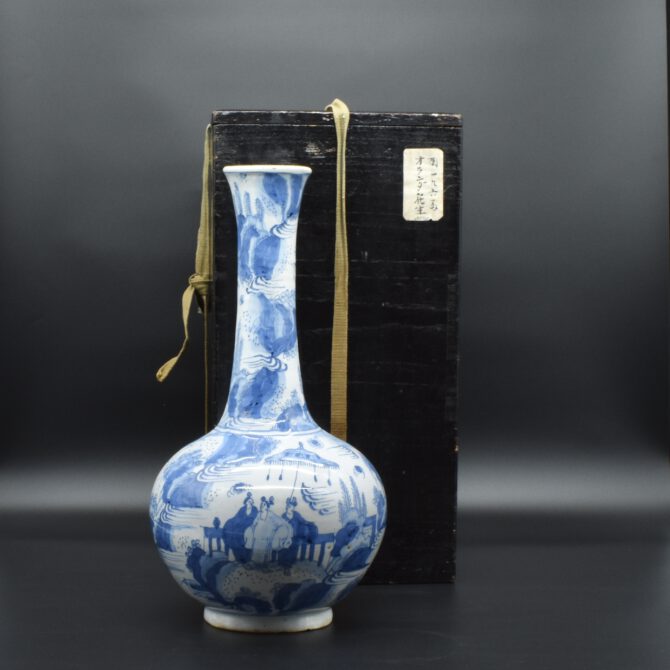
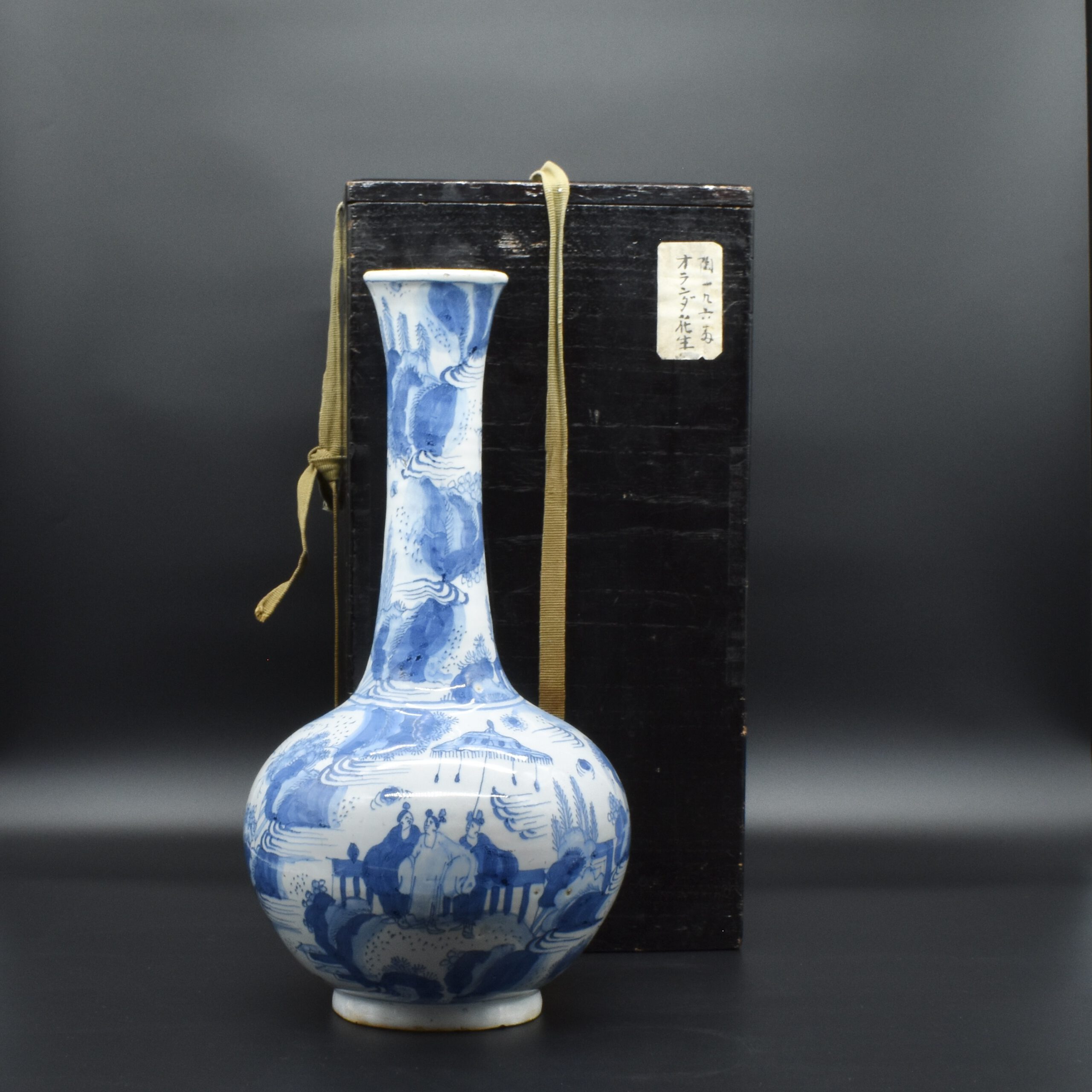
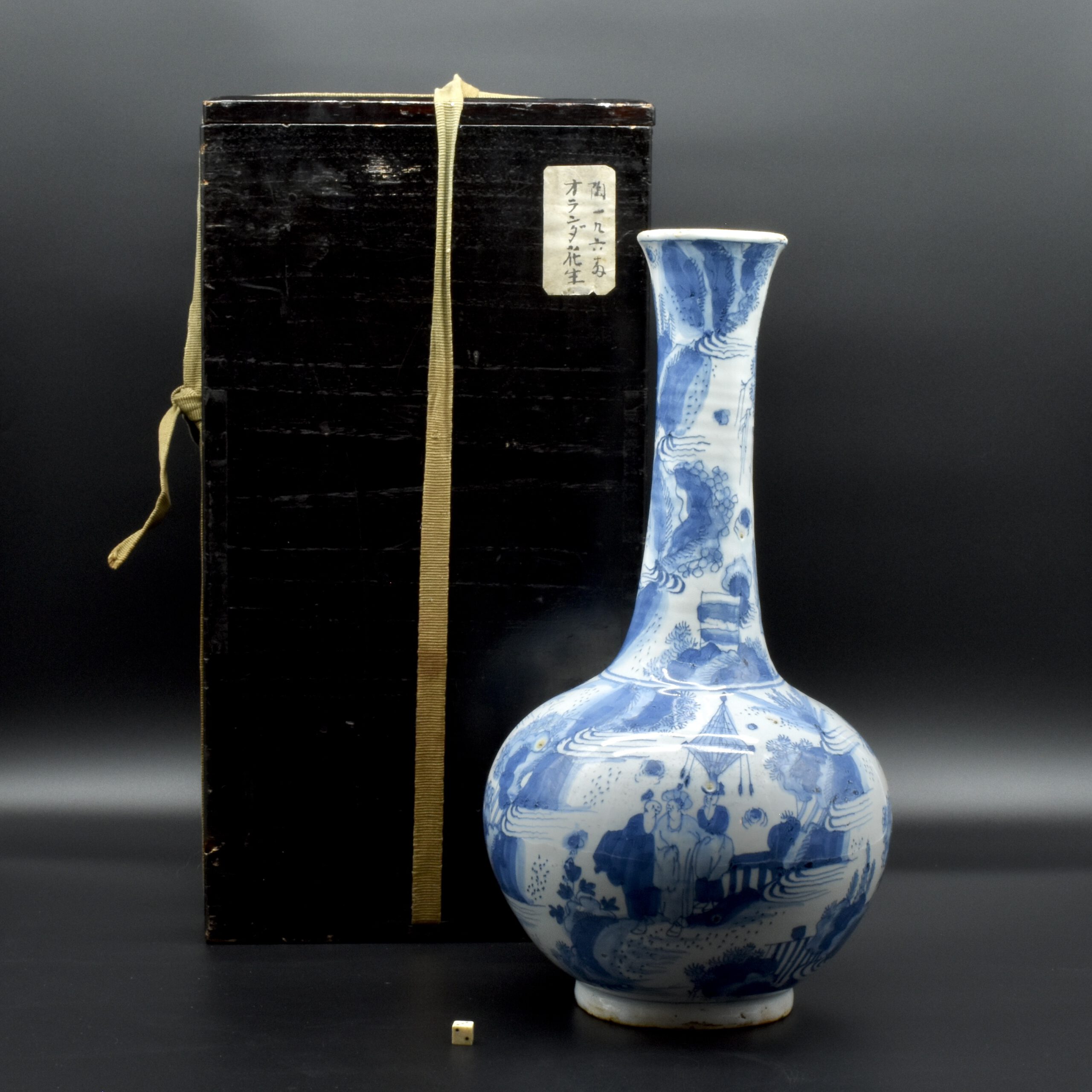
A Large 17th Century Delftware Bottle Vase in the Chinese Style.
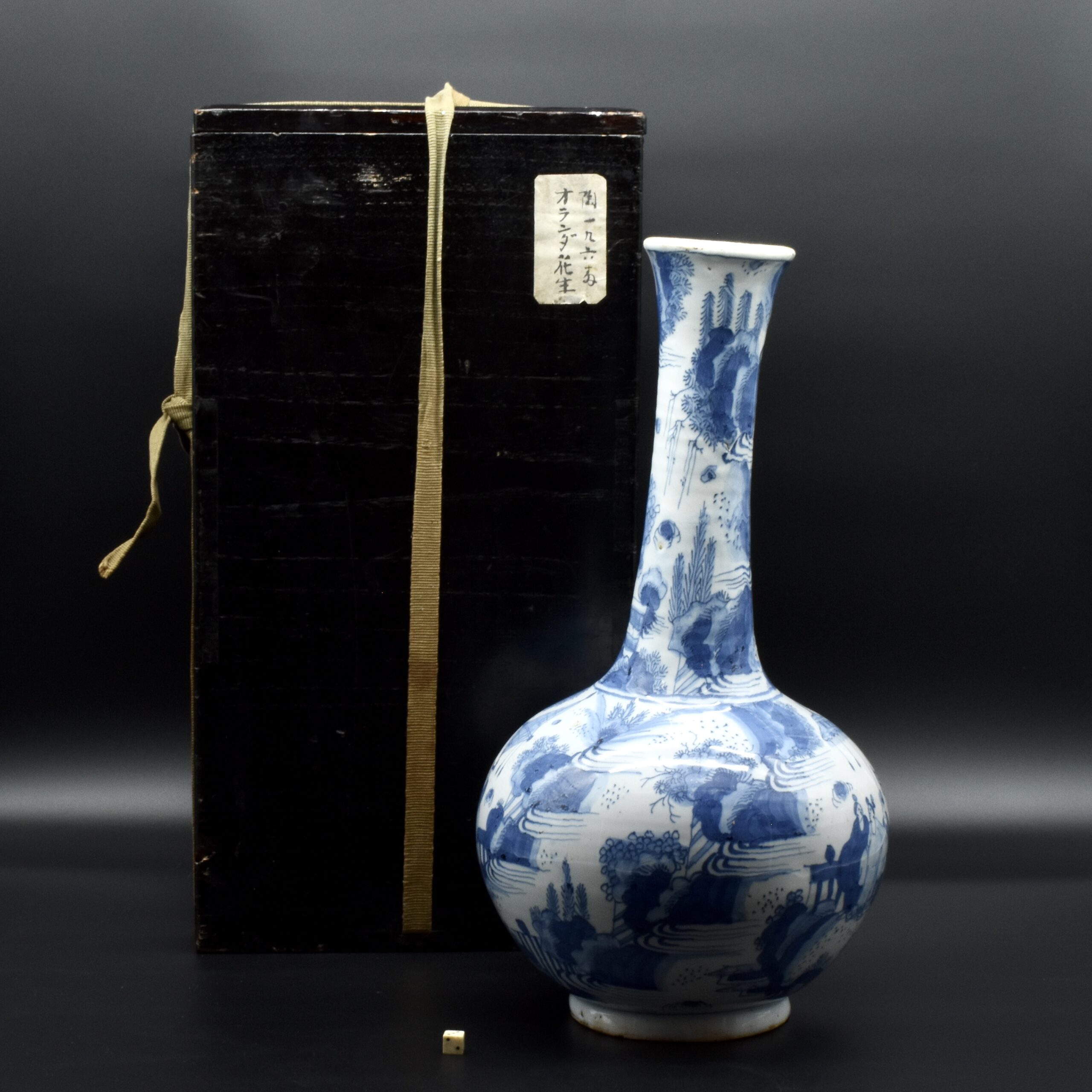
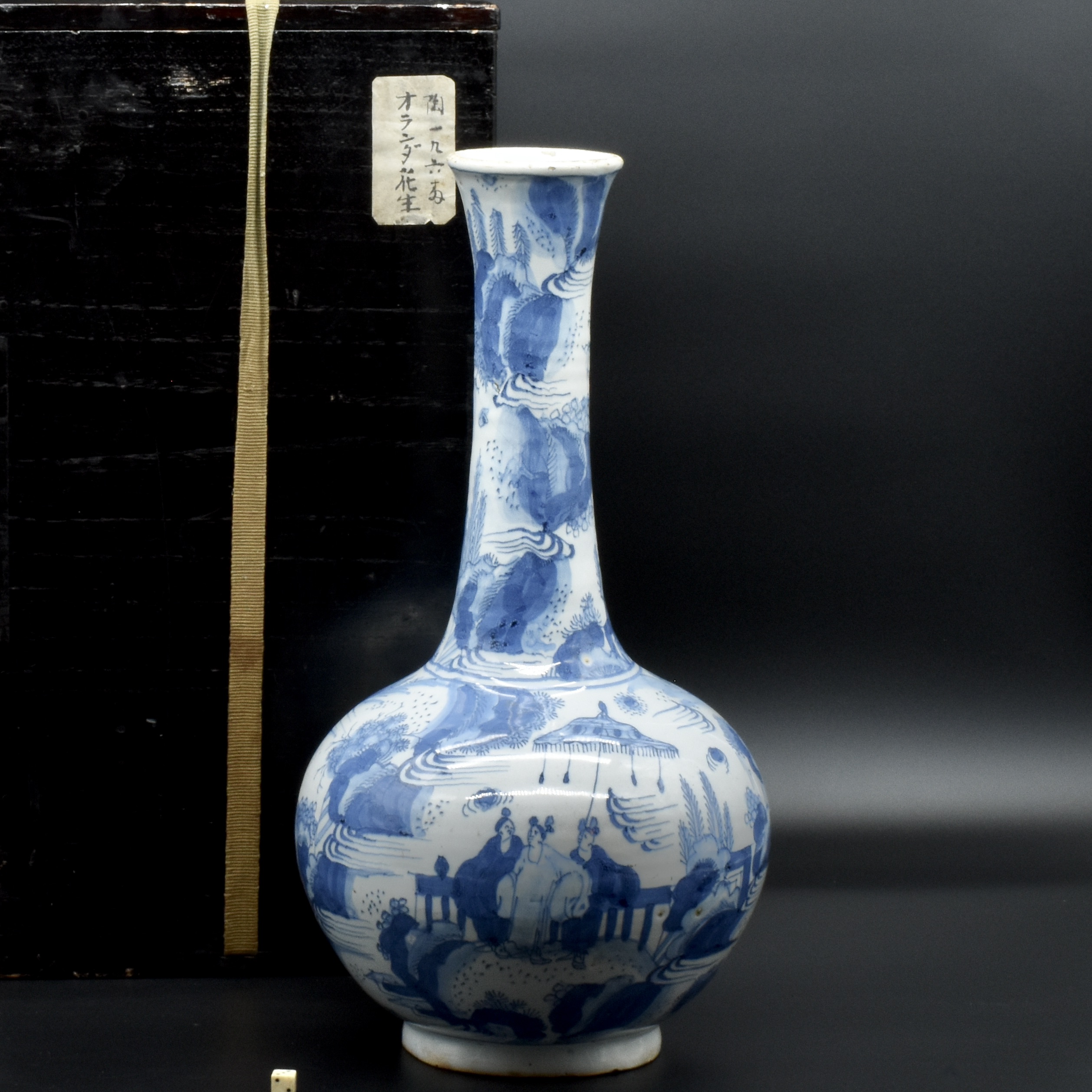
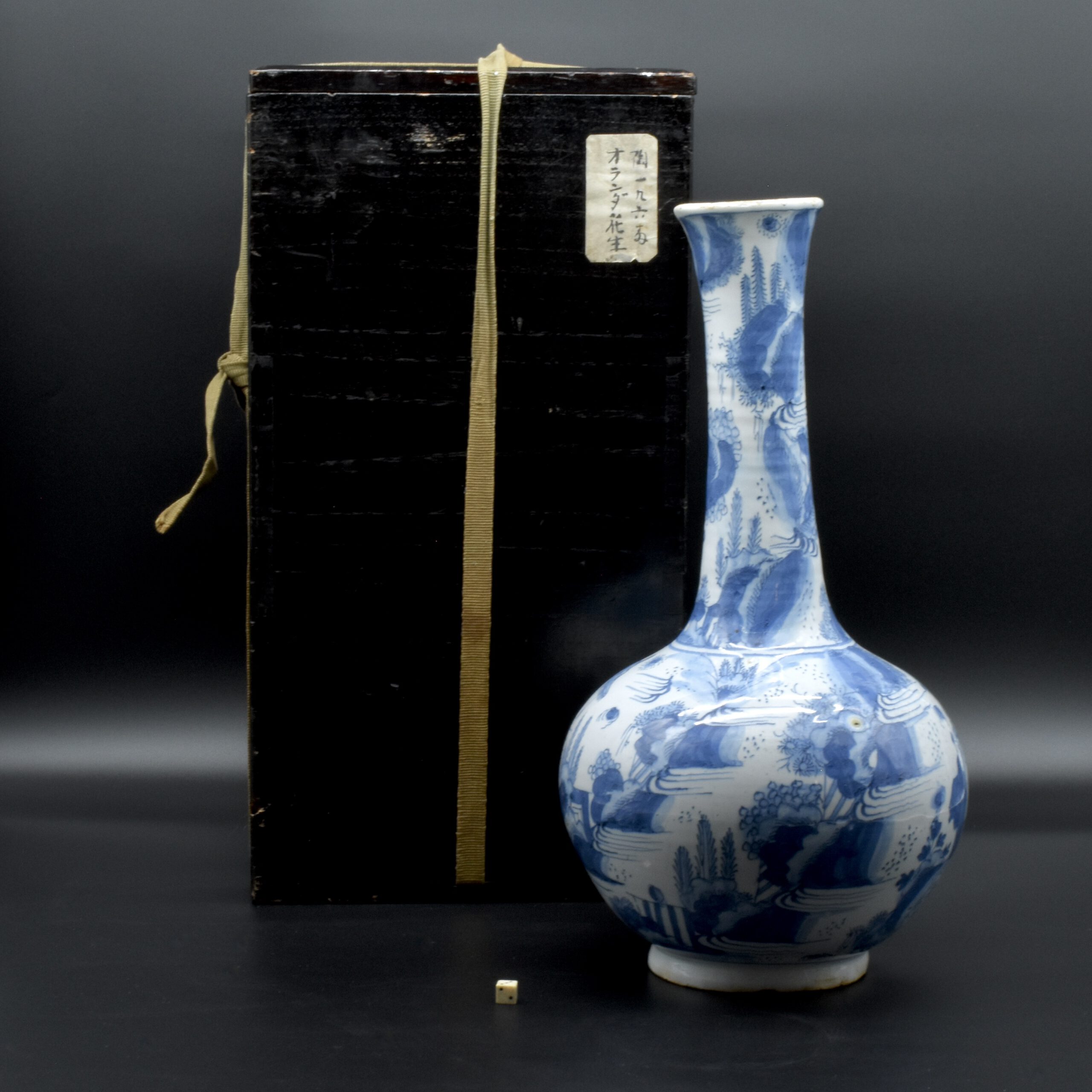
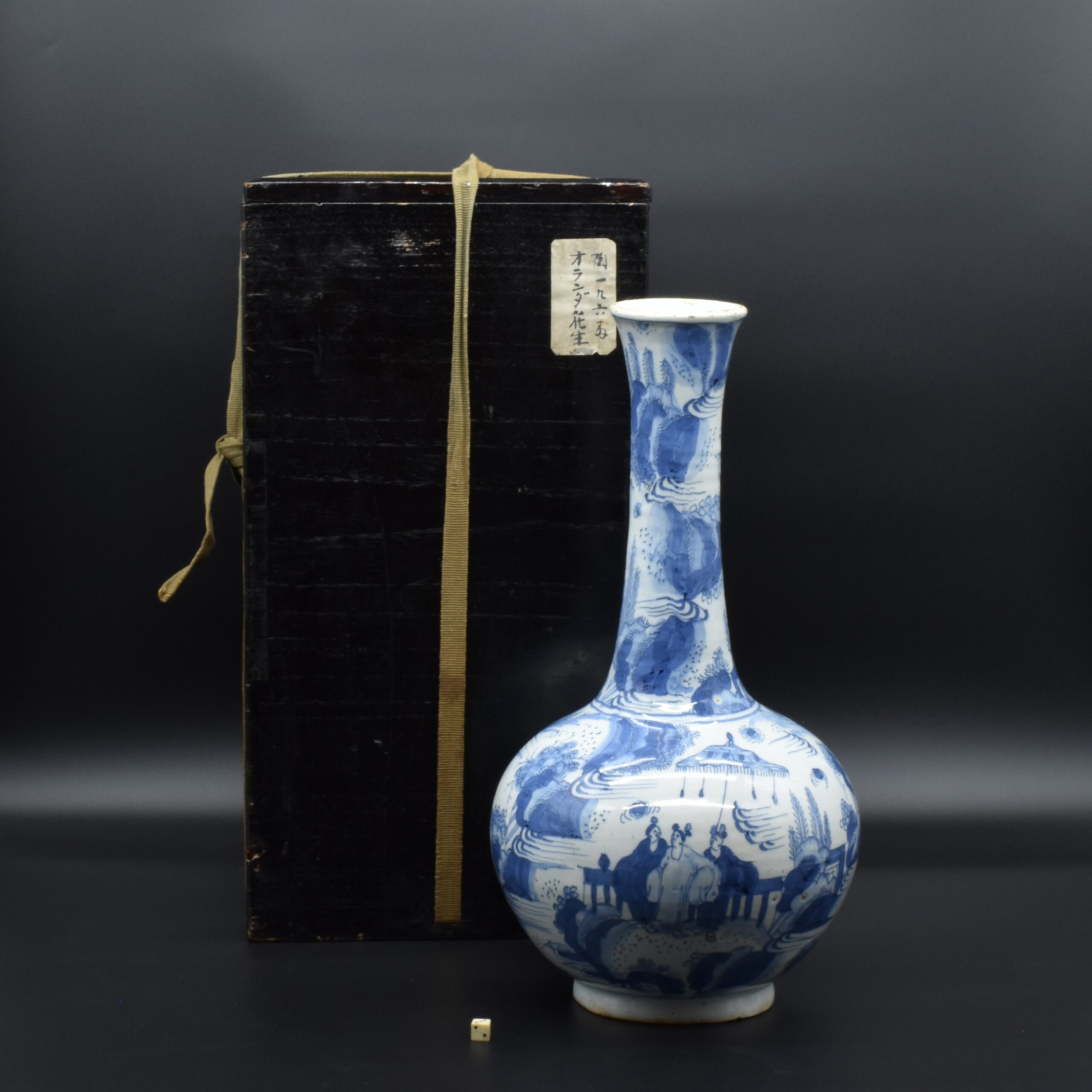
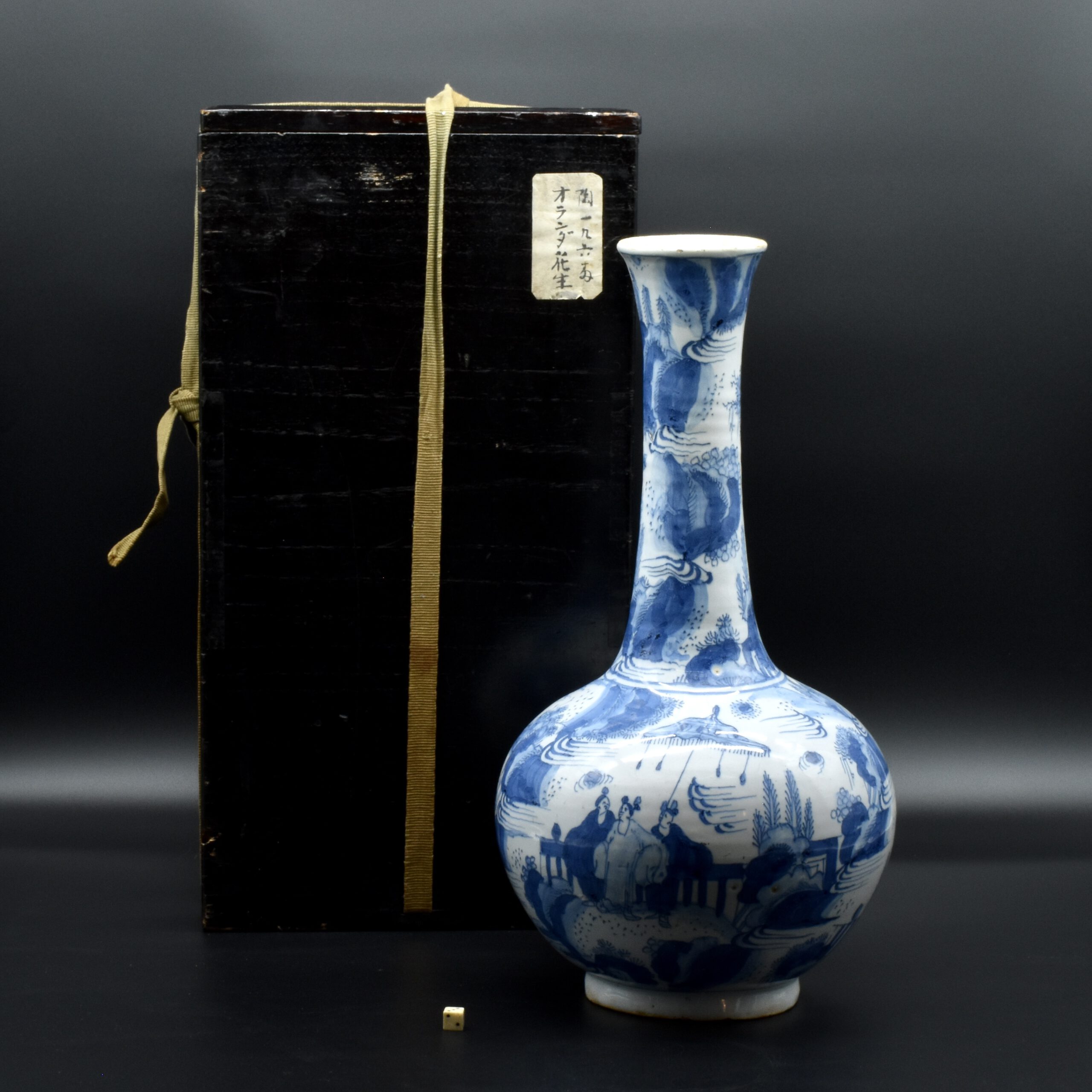
A Large 17th Century Delftware Vase in the Chinese Style, c.1655-1675. This Delftware vase from the Dutch Republic was made when supplies of Chinese porcelain to the Netherlands dwindled, Japanese, and Dutch quickly filled this gap. The lack of Chinese imported porcelain greatly helped the potters in the Netherland, with far fewer Chinese imports there was of course less competition. This tin glazed earthenware vase is a rather faithful interpretation of the original Chinese examples, these were made a little earlier in around 1640. Perhaps this can be referred to as Chinoiserie, however the intention was really as a replacement for a much loved product. It was made during the ‘Dutch Golden Age’, a period of great prosperity the Netherlands, the V.O.C. Vereenigde Oostindische Compagnie, was the richest business that had existed, adjusted for inflation it still is the richest and most successful business on the planet. It had trading links with China, via Batavia (Present day Jakarta), India, Japan and elsewhere. Unlike France, the Netherlands was a far more equal society for the period, with a rising middle class and a business mentality it thrived. Delftware vases like the present example would have been affordable to the middle class. The tin for the glaze might well have come from Cornwall, the cobalt often came from Saxony. The clay from the Netherlands, although English clay was sometimes imported to be mixed with the sandy Dutch clay. It is interesting to imagine how this Chinese style vase from Delft ended up in the Japan. The Japanese do collect European ceramics, refined European porcelain, especially Meissen. European pottery is also popular, I remember the International Arts and Crafts Exhibition of 2005 at the Victoria & Albert Museum which had a Japanese section where English slipware was shown. There are collectors of Delftware in Japan, who collect a wide variety of Delftware, even sherds. This vases isn’t coming home yet, as its now in England.
SALE PENDING
See Below For More Photographs and Information
- Condition
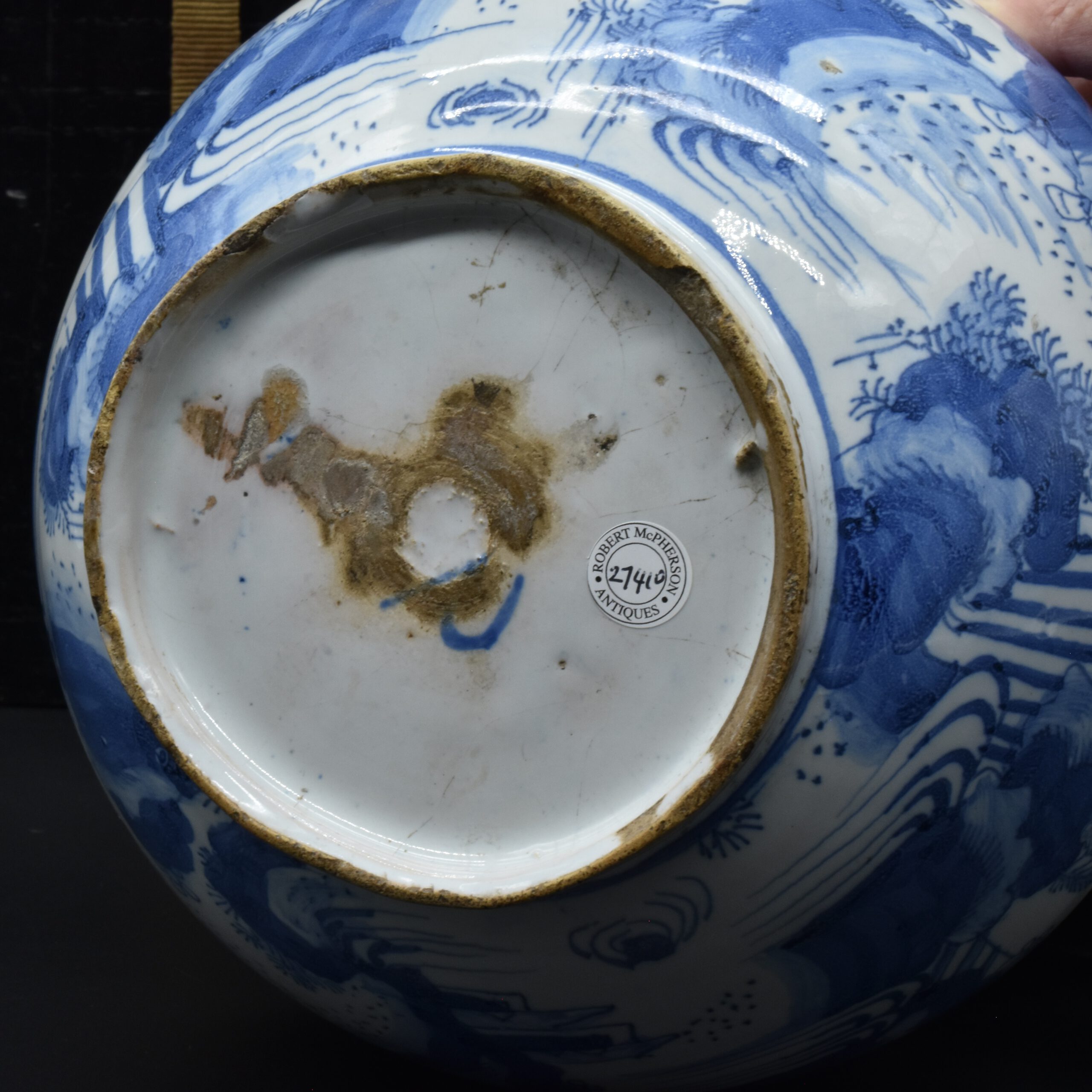
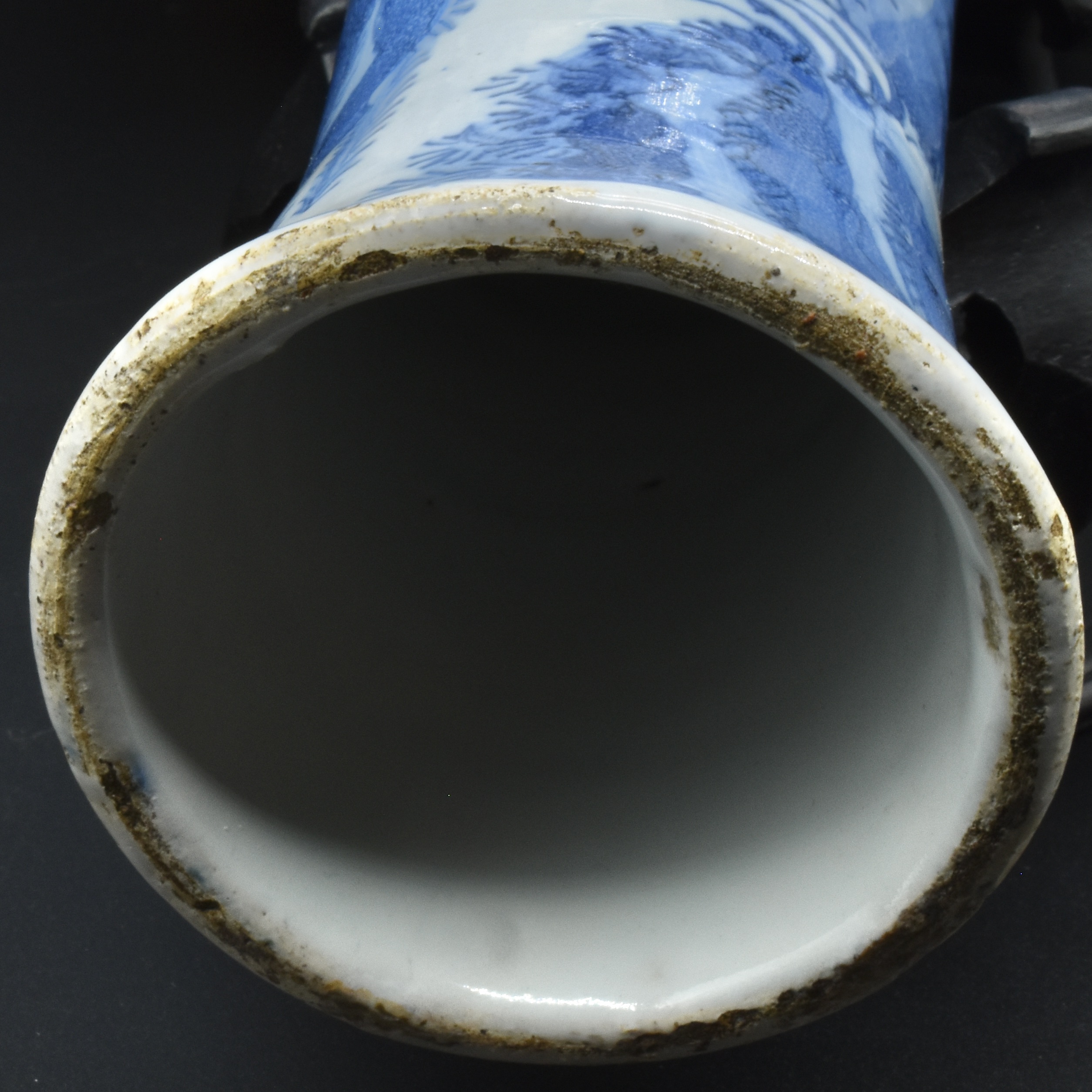
- There is a very good quality repair to the rim, it seems to be covering a chip with a crack. It has been sprayed so I can't see what is going on, the restoration appears to be 1 cm wide and two cm deep. The vase leans at neck.
- Size
- Height approximately 36 cm (14 1/4 inches).
- Provenance
- N/A
- Stock number
- 27410
- References
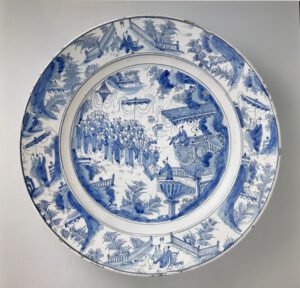
- One of two dishes in the Rijksmuseum Amsterdam, attributed to Willem Jansz. Verstraeten c.1650 - 1665, shows a similar early version of Chinese style painting on Delftware. See below the 'Photograph Gallery' below.
Photos
Information
Click on the link below to see a large Delftware dish in a similar style.
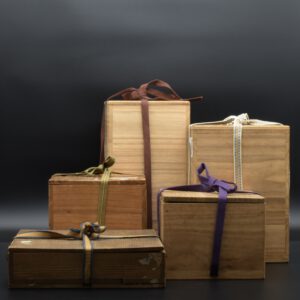
Tomobako Storage Boxes :
Traditional Japanese ceramic storage boxes, referred to as Tomobako are highly valued and much used in Japan. Most boxes are made from paulownia wood, it is lightweight hardwood and it’s also fire resistant, which is very useful in because Japanese buildings tend to be made of timber and have paper dividers inside. The Islands of Japan are located on a highly complex, unstable, and active geological junction where four major tectonic plates collide and subduct. These islands are essentially built upon the boundaries of these plates, with the archipelago forming as a result of the subduction and volcanic activity caused by these tectonic movements. Therefore the use of tradition tomobako is essential for the survival of ceramics in Japan. Japanese museums don’t have this luxury, so they secure the ceramic objects with nylon, which looks very much like fishing line. The paulownia is a fast growing tree, so it isn’t too expensive. It is believed that the phoenix, symbolising wisdom and prosperity, will only land on a paulownia tree when a worthy ruler is in power.
Tomobako containers that protect, store, and often certify the authenticity of the pottery inside. They are typically signed by the owner of the antique ceramic item in the box. They are tied with cord in a specific way, this is regarded as part of the ritual ceremony among a gathering of friends in Japan. Of course not everything in these boxes is what it might seem. Some contain surprising objects, so you will have to wait and see what we have in these boxes.