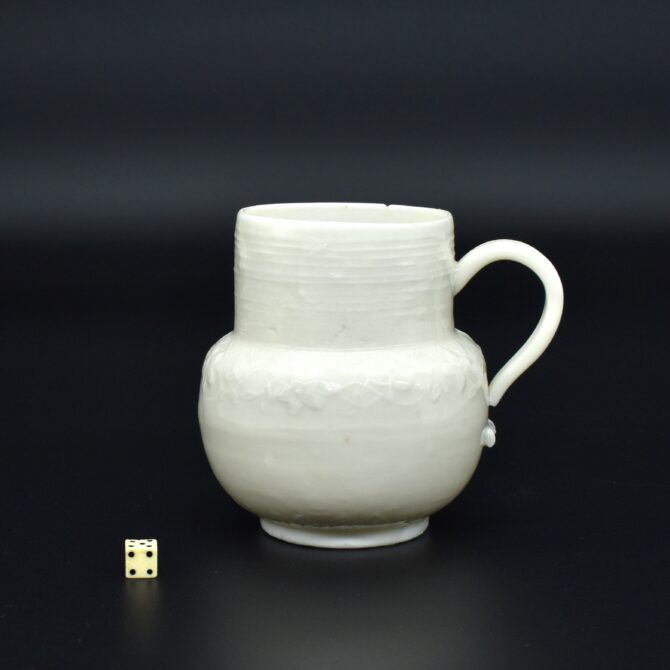
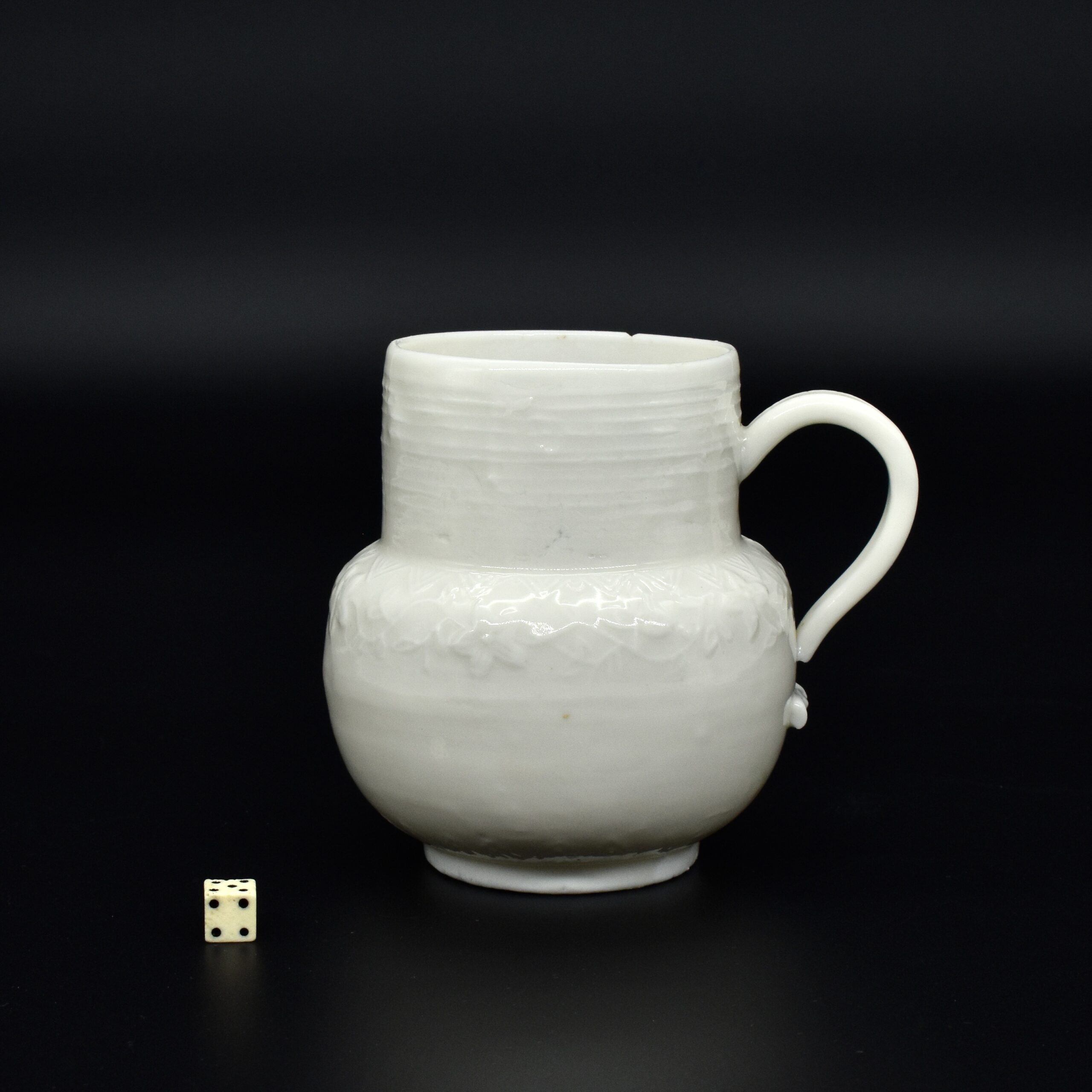
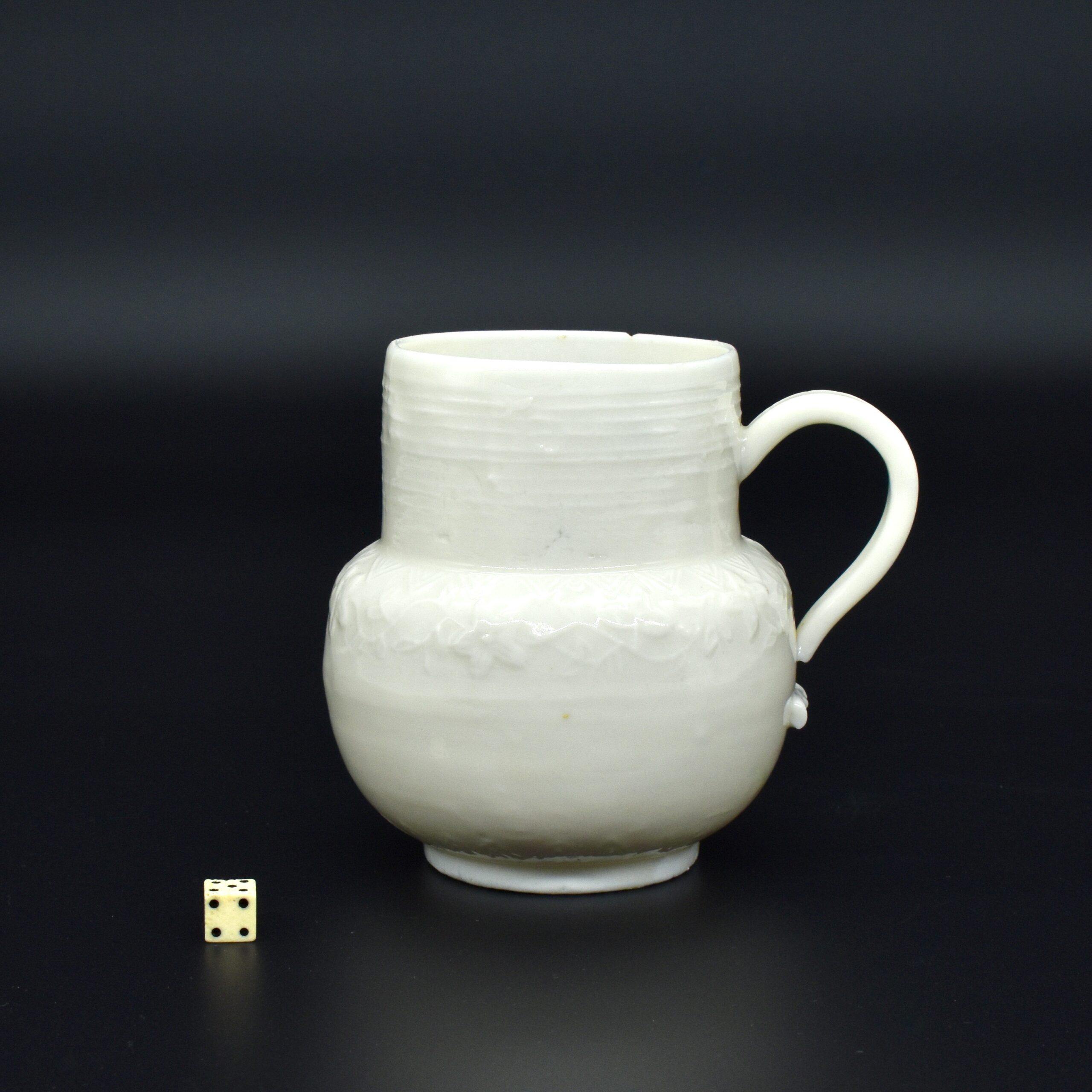
A Kangxi Blanc de Chine Export Porcelain ‘Gorge’.
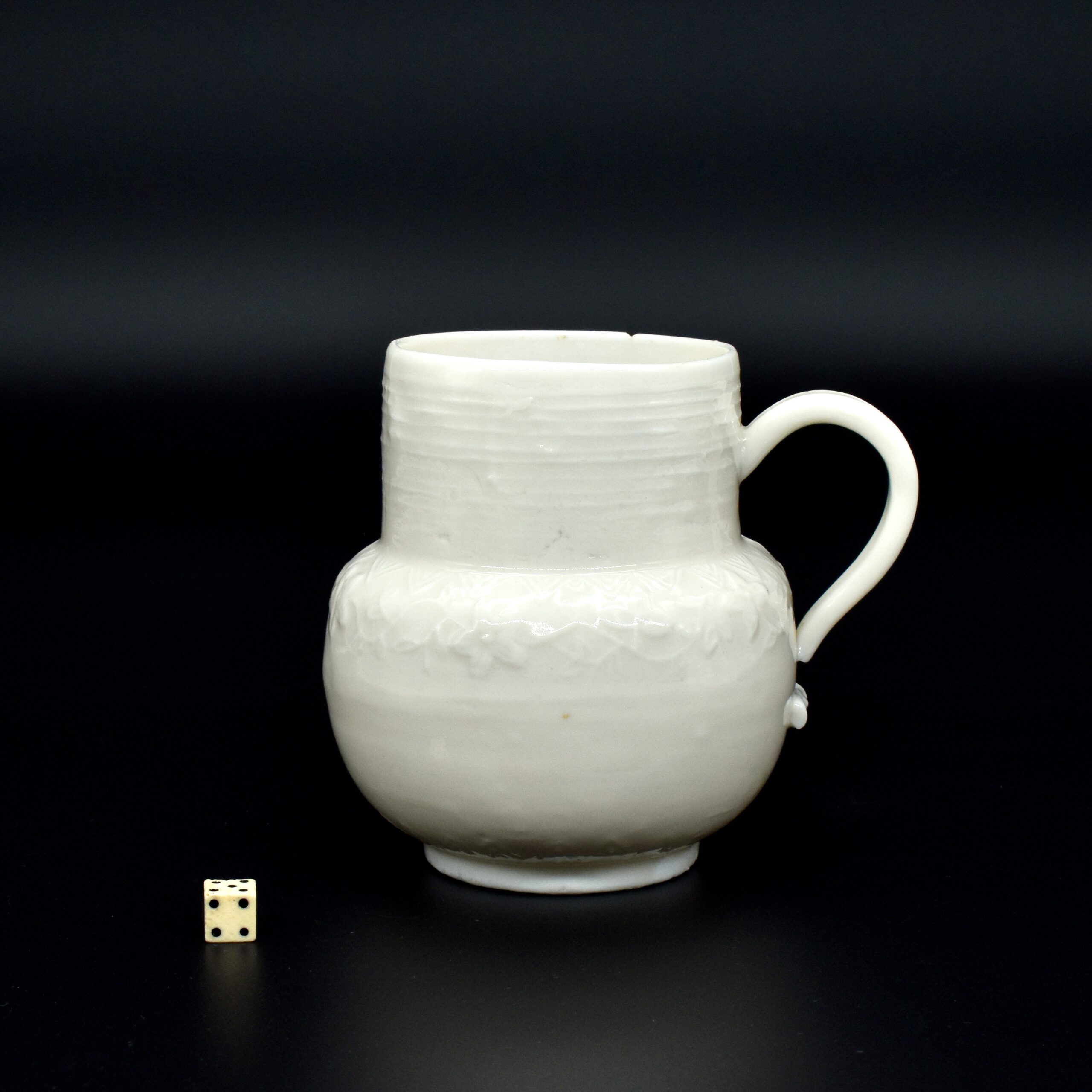
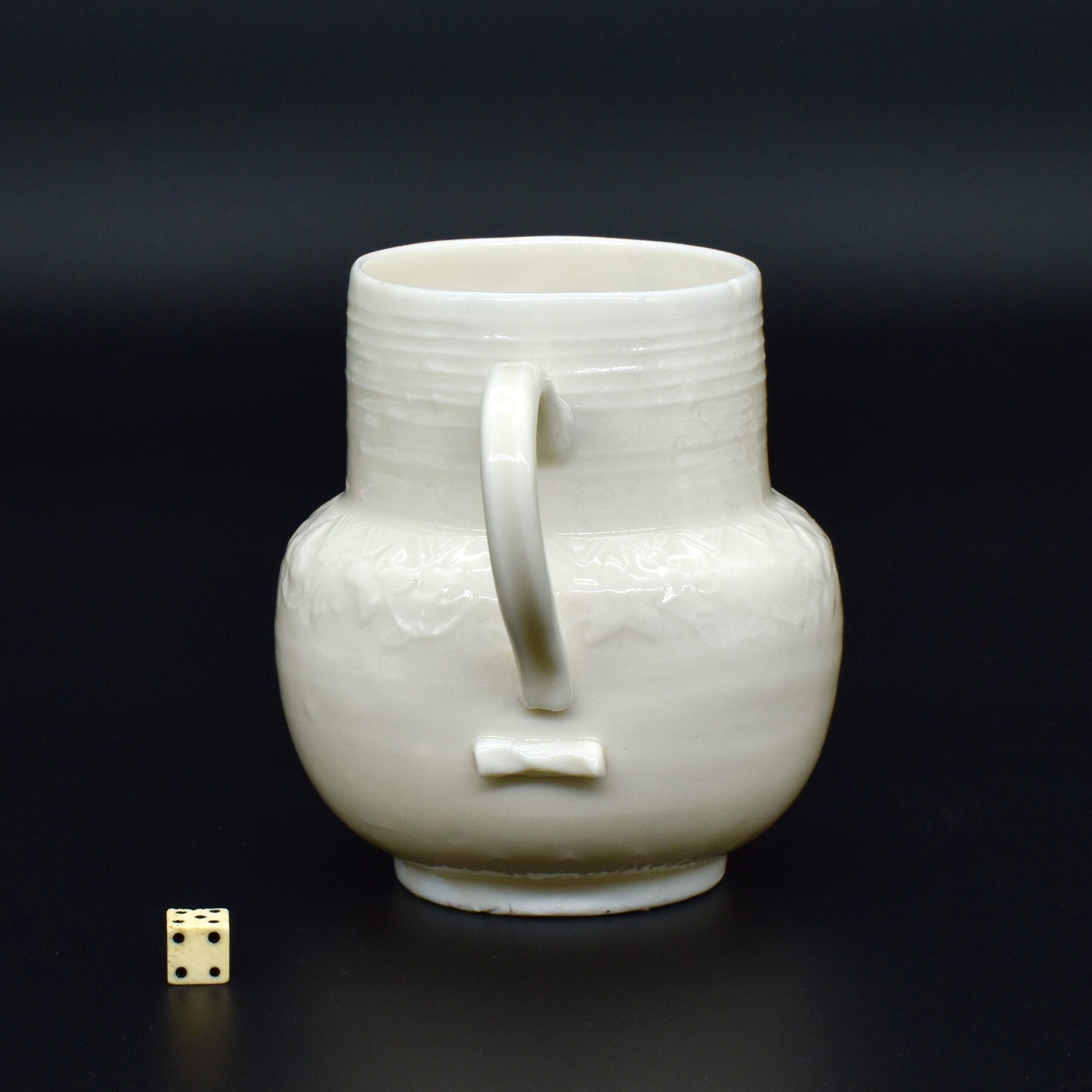
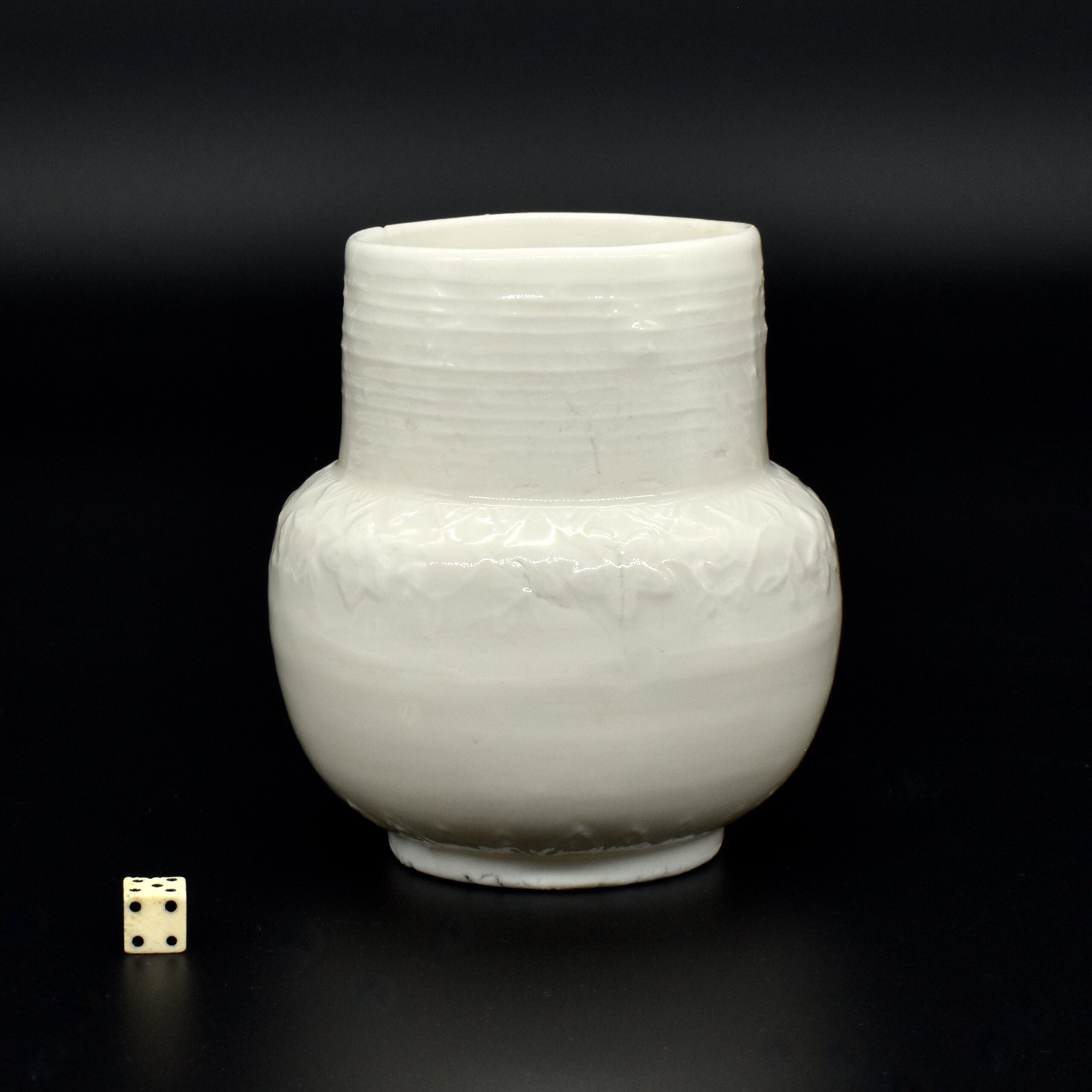
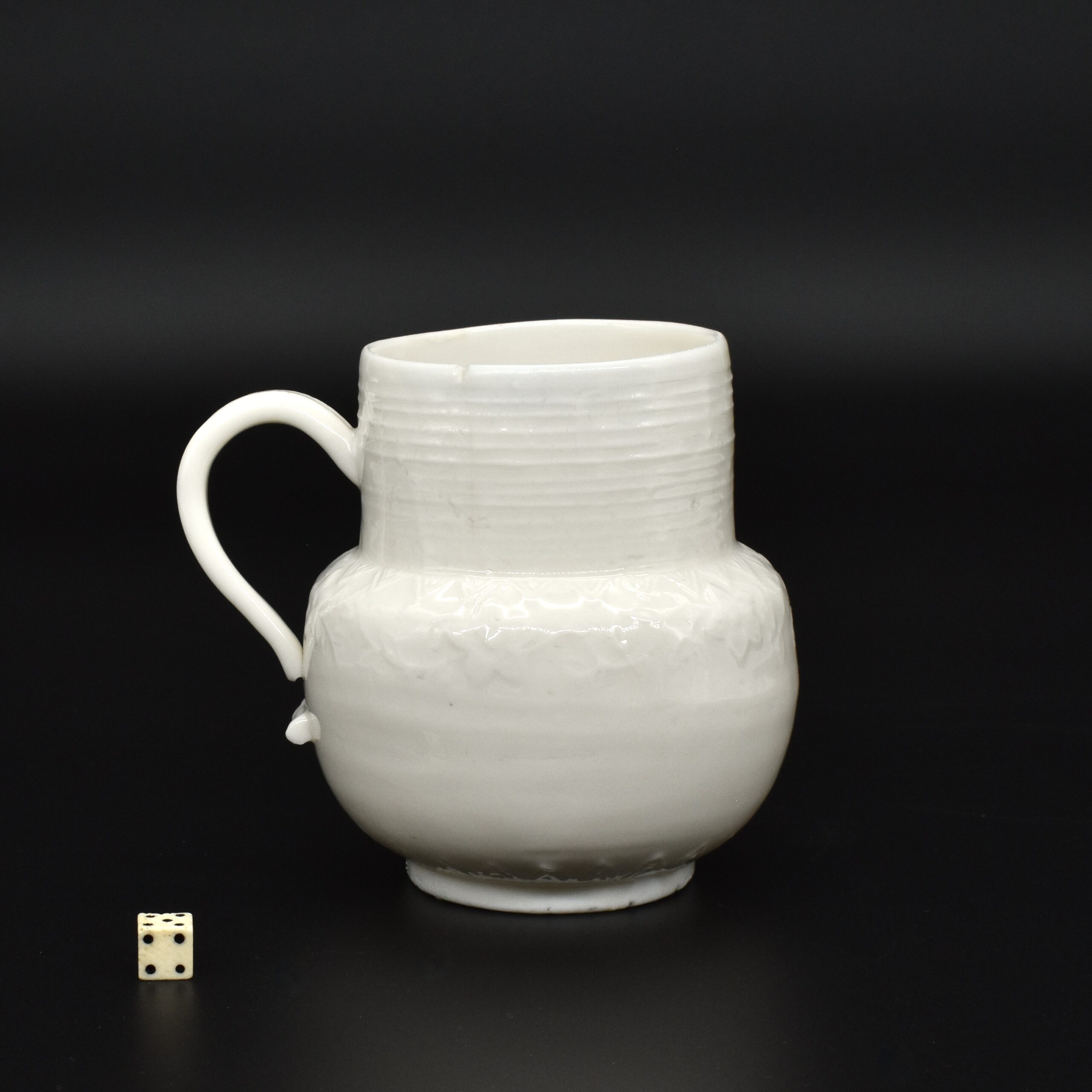
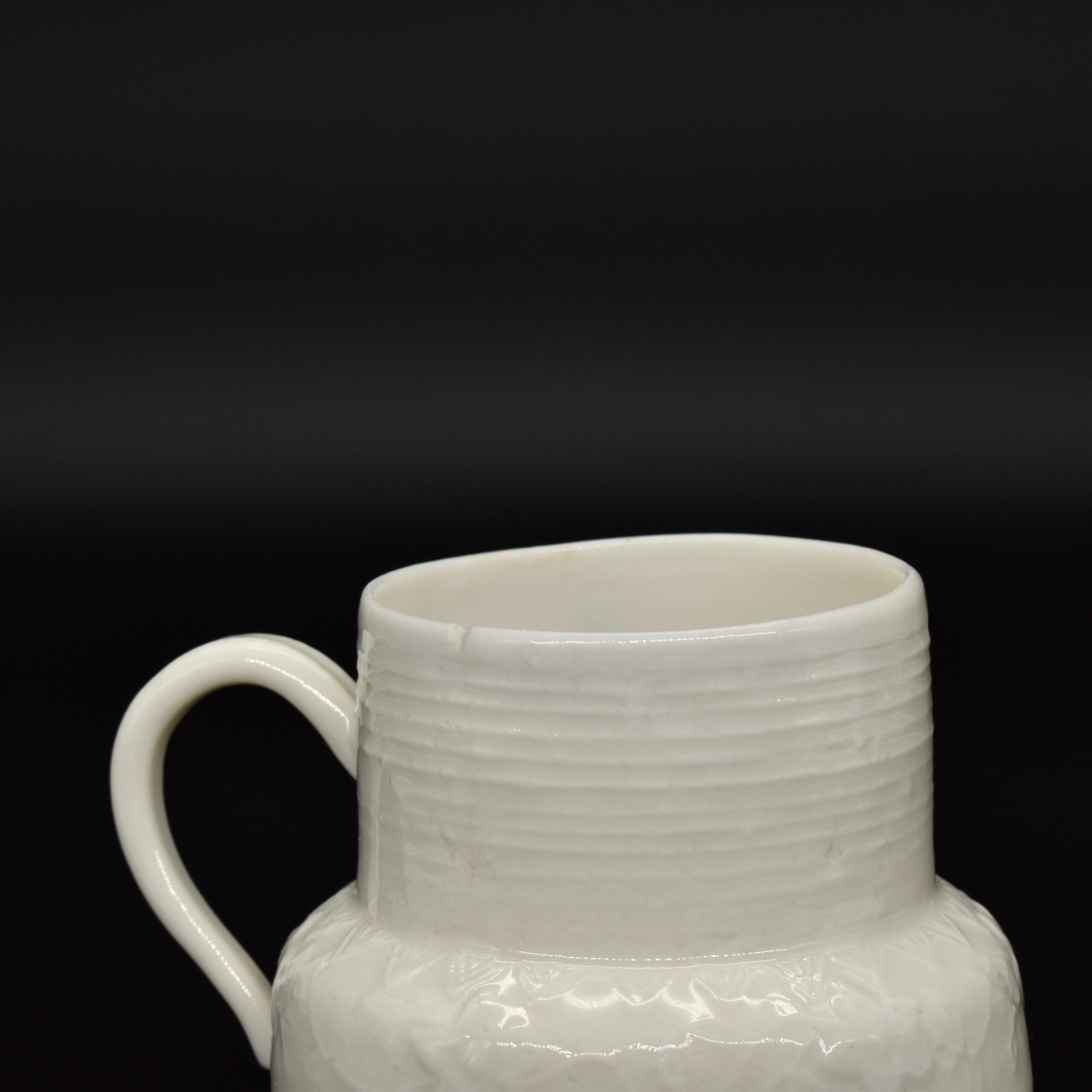
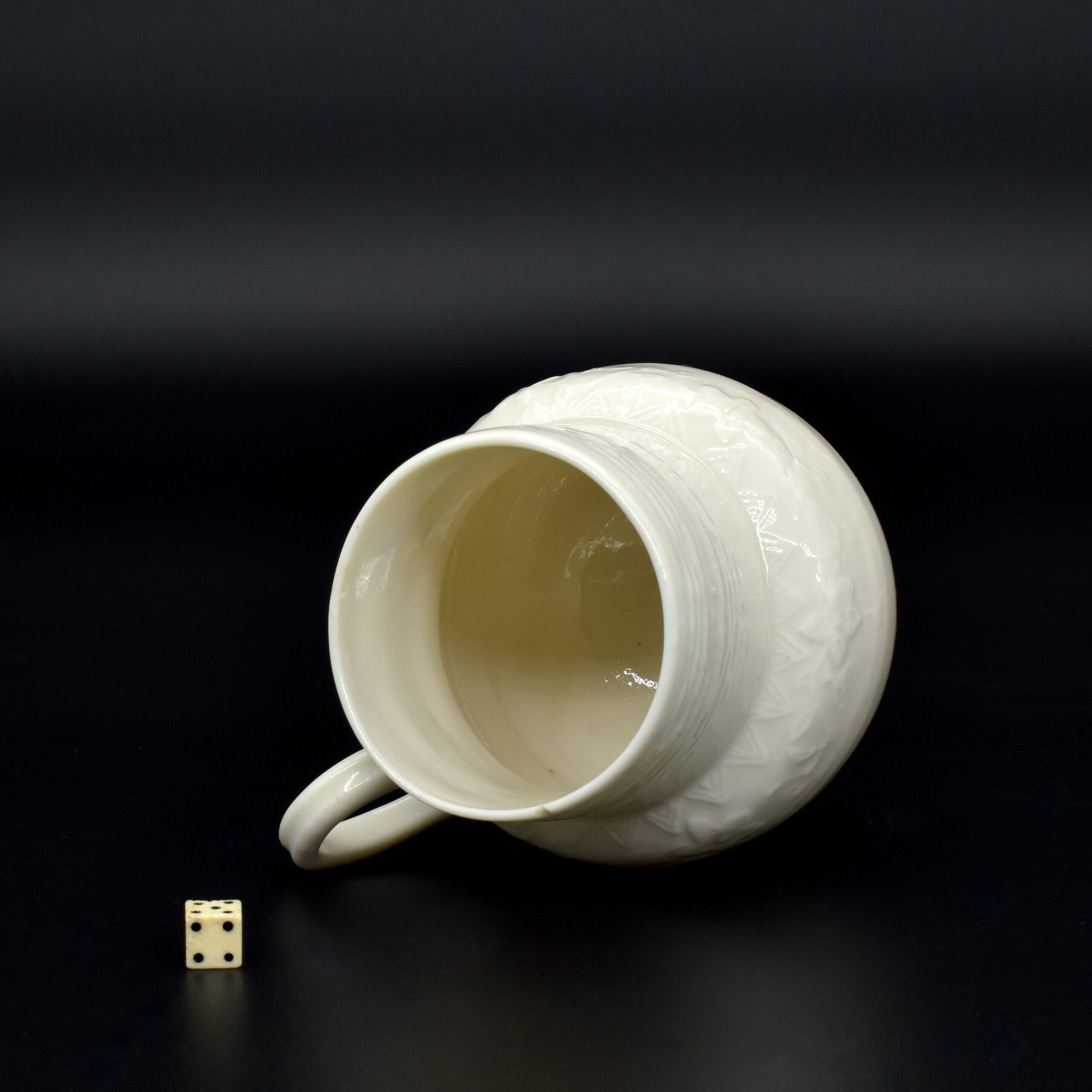
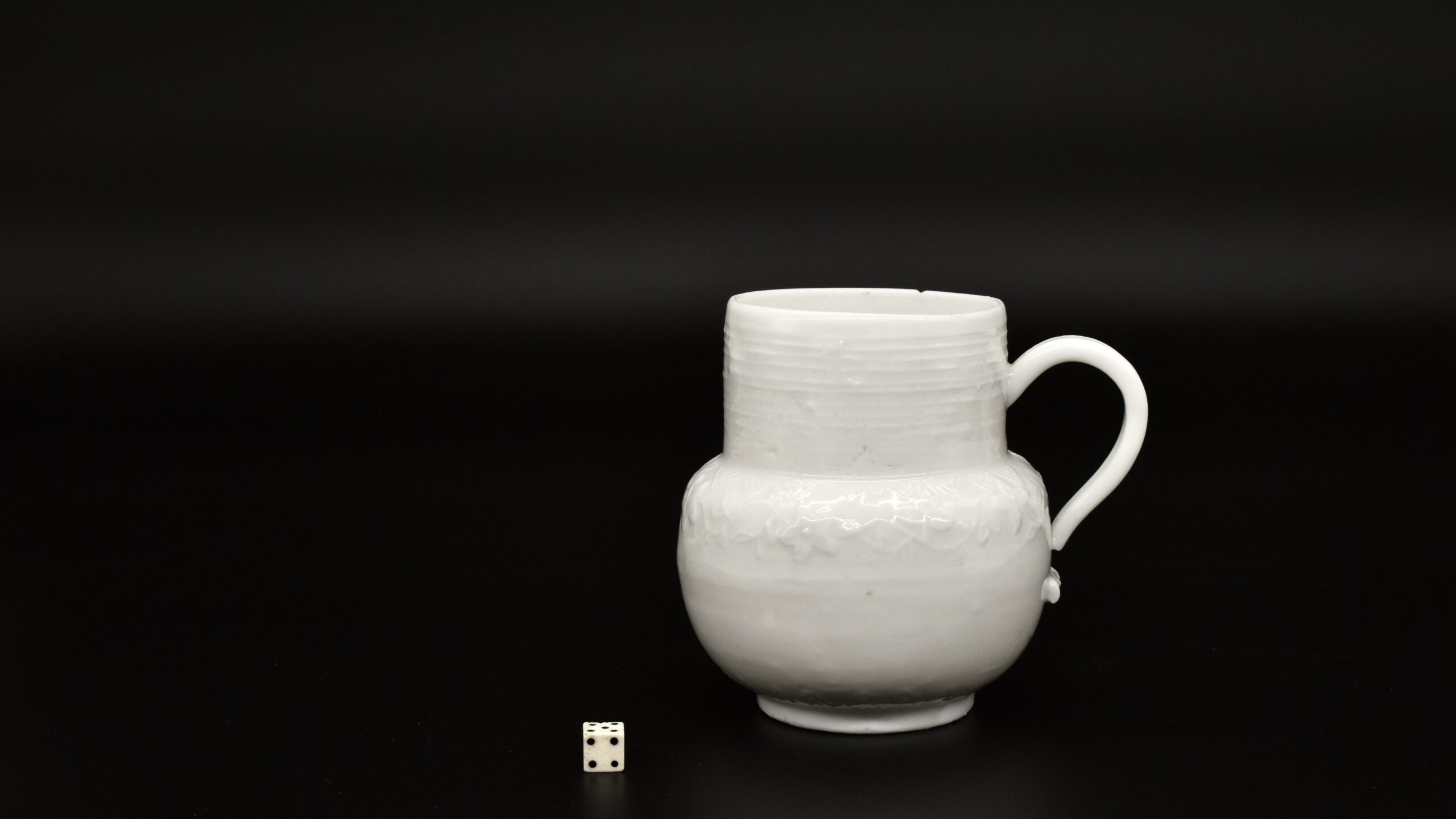
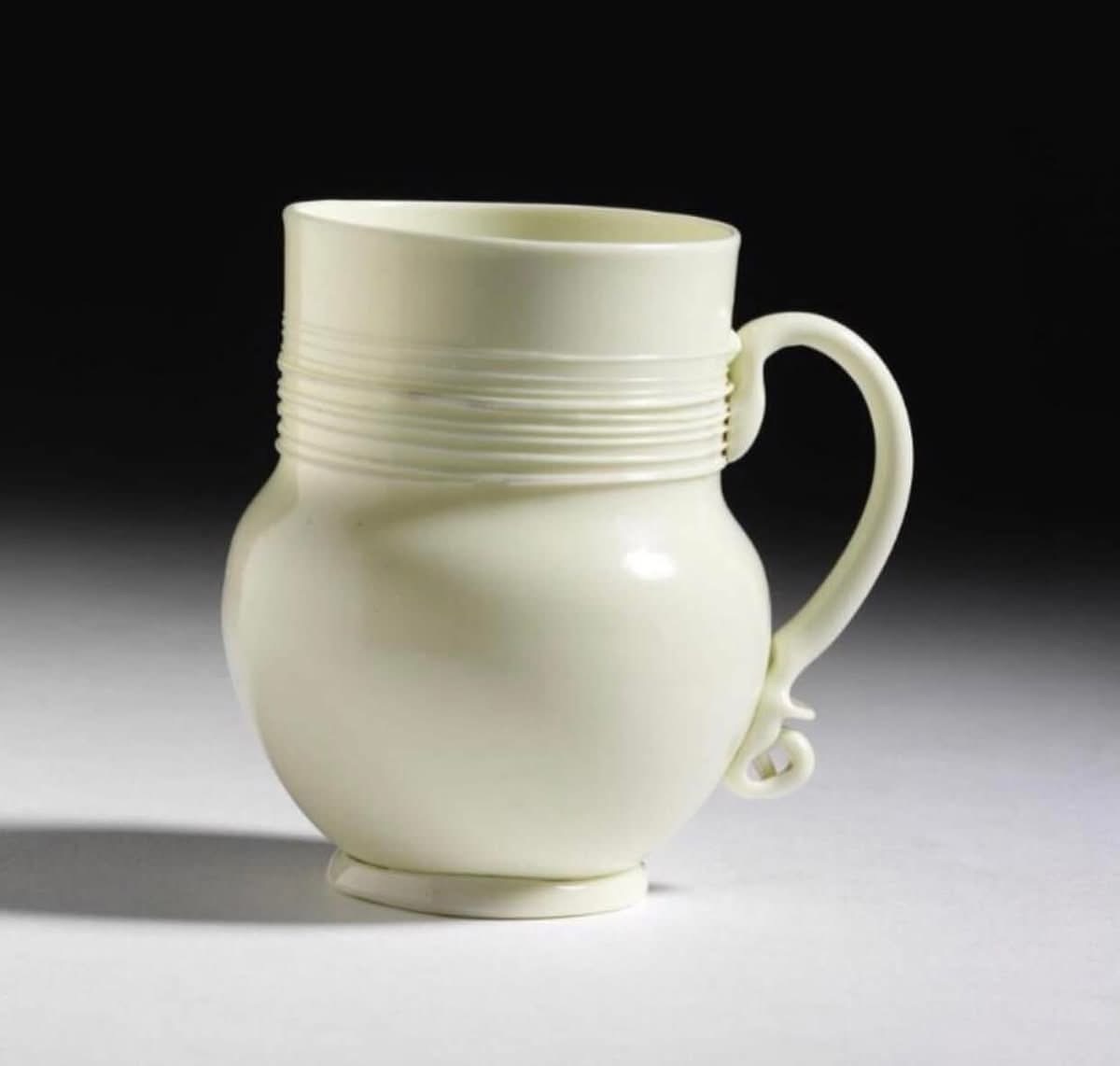
A Kangxi Blanc de Chine Porcelain ‘Gorge’, Kangxi Period (1662-1722), Dehua Kilns, Fujian Province, China c.1690 – 1710. This bright sparkly white thinly potted porcelain gorge was made for export to primarily or exclusively England. It is a delicate and fragile piece, the handle is very tin and so is the top section of this gorge, it doesn’t seem appropriate for use in a tavern. If you look below to ‘Information’, you can see that some gorges were even made of glass. So perhaps designed for a nice quite evening at home, rather than a busy rowdy tavern. This home use is also suggested by the size of the object, it’s very small when compared to most English beer mugs of the period. This piece is from the Harriet Carlton Goldweitz Collection (see ‘Provenance’).
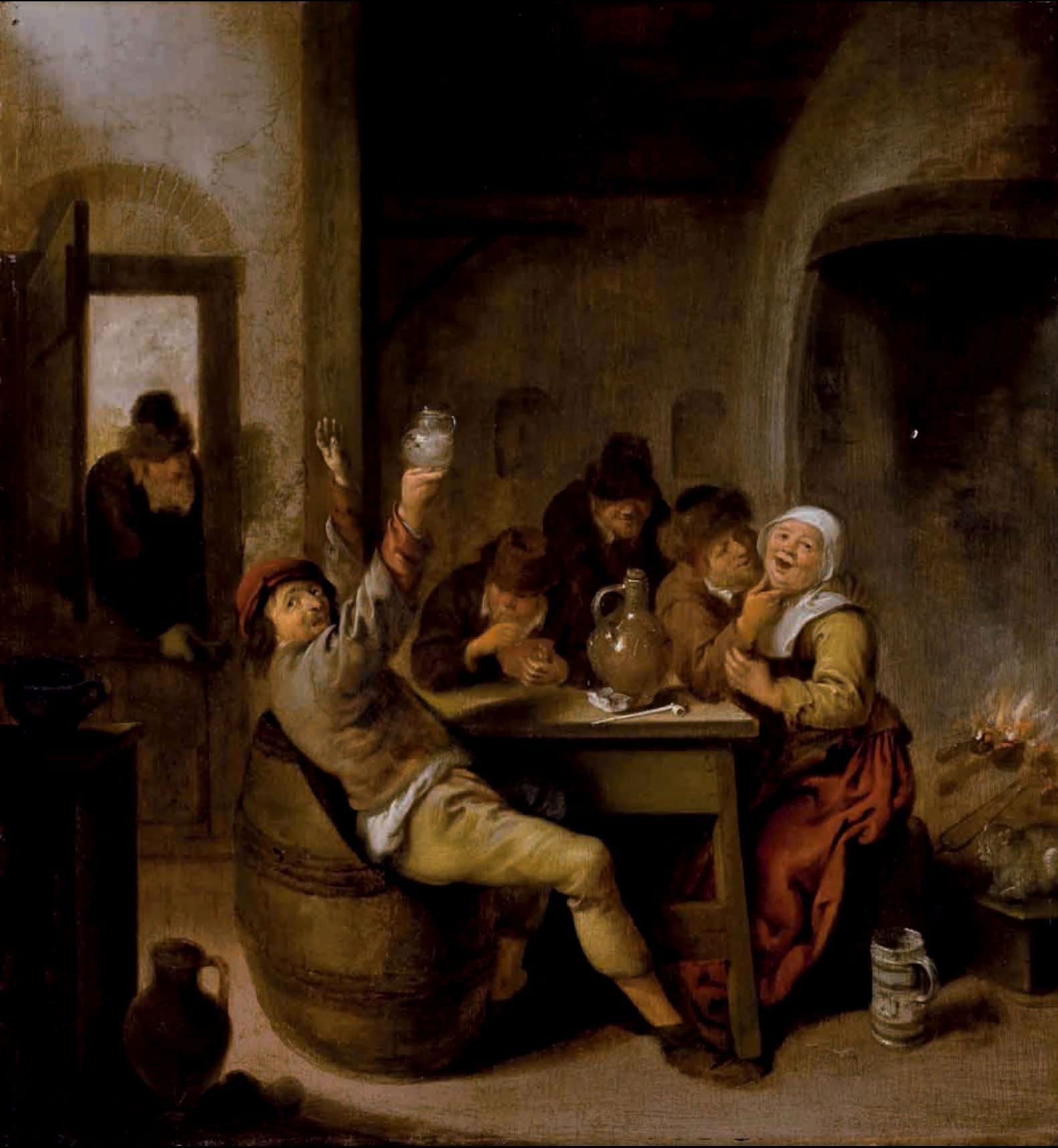
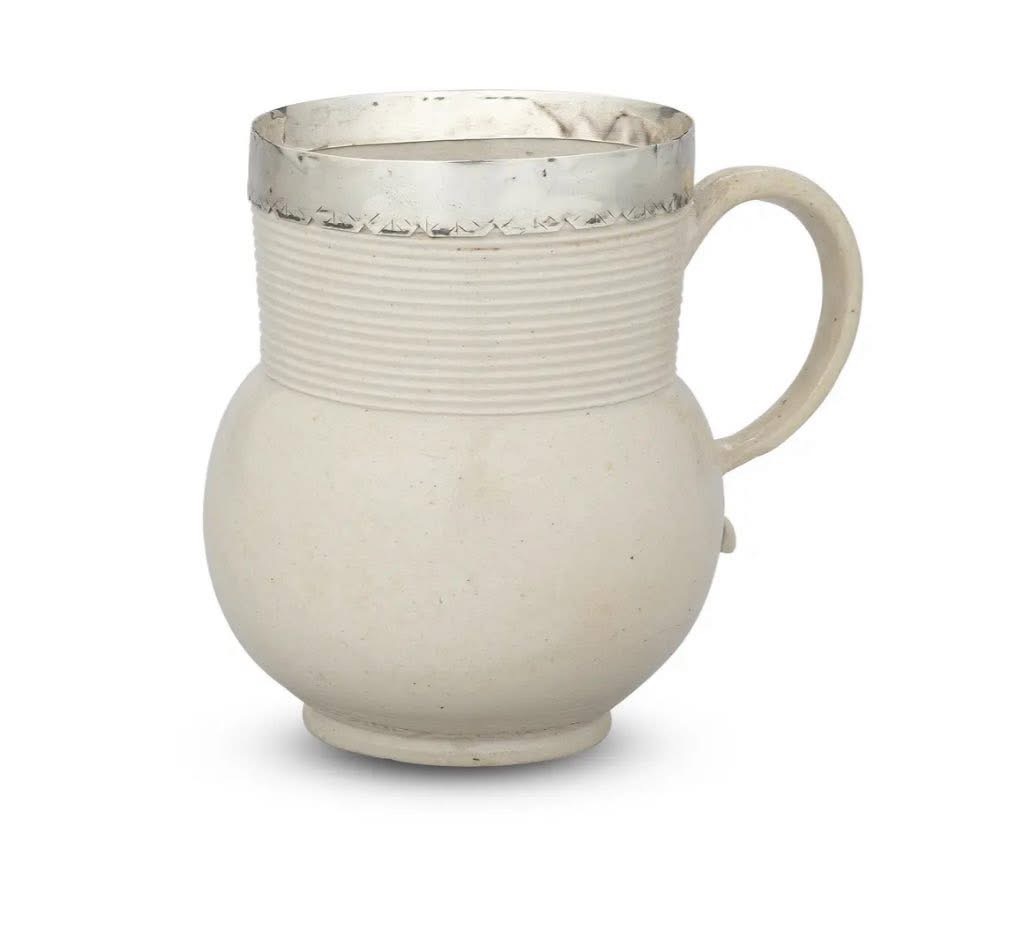
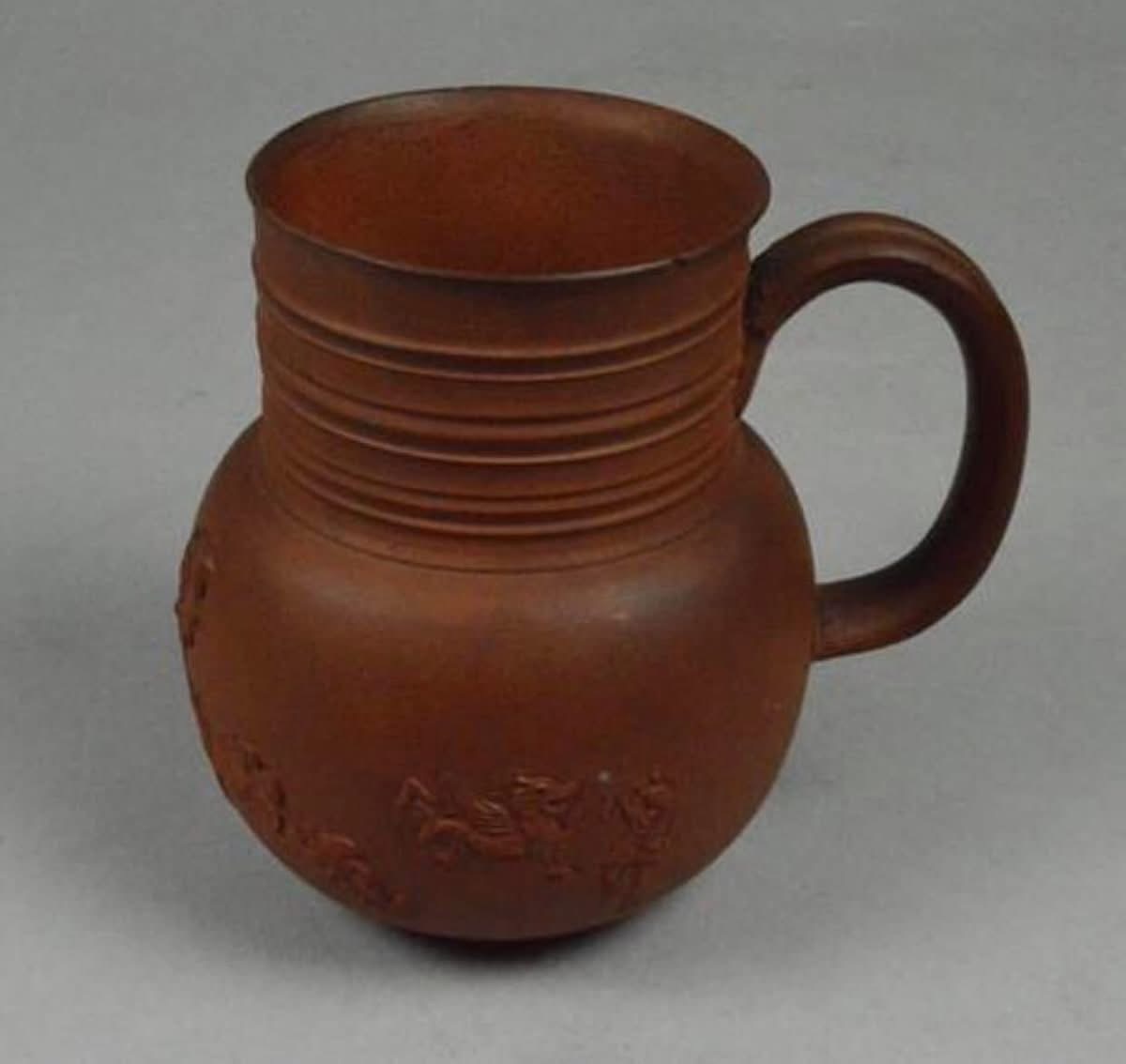
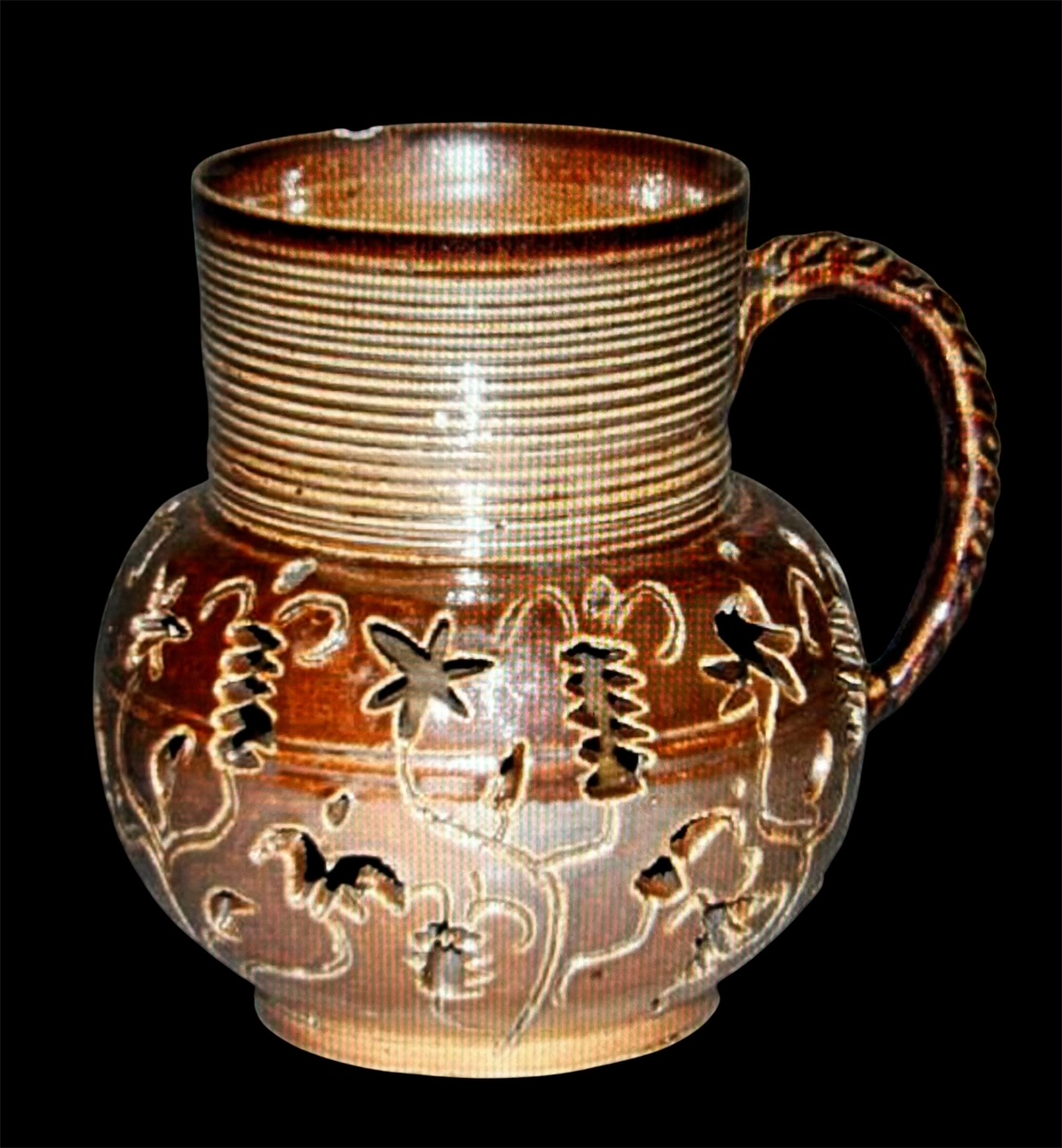
The origins of the gorge lie in the wider European tradition of making globular drinking vessels. German potters were producing stoneware drinking jugs and mugs during the 15th and 16th centuries. Important centres included the Rhineland, particularly Frechen and Westerwald. Stoneware was ideal for drinking vessels. Fired at high temperatures, it was hard, durable and relatively impermeable to liquids. Especially important if you look at the behaviour in taverns of the late 17th century (see ‘Information’ below). Dutch and Flemish paintings frequently show riotous drunken scenes which frequently show damaged pottery. German stoneware was also exported in substantial quantities. English consumers used these imported wares long before English potters developed a successful stoneware industry of their own. My first ceramic find was a piece of stoneware from a German mug or jug, I found it in Mousehole harbour in Cornwall when I was eight years old. The characteristic rounded body and narrower neck of the gorge developed within this Continental tradition, however I think its a particularly English model. The gorges I’ve seen are small and delicate compared to European stoneware beer mugs. One of the central figures in the history of the gorge is John Dwight. Dwight established his pottery at Fulham, London, and obtained a patent in 1672 relating to the manufacture of stoneware. He sought to produce English wares capable of competing with the imported German products that were already popular in the domestic market. As you can see below, the gorge was made using many materials, including glass and Chinese porcelain from Dehua. For examples of different types of gorges see below.
See Below For More Photographs and Information.
- Condition
- There is a crack from a small V-shaped chip c.21 mm.
- Size
- Height 9.4 cm (3.7 inches).
- Provenance
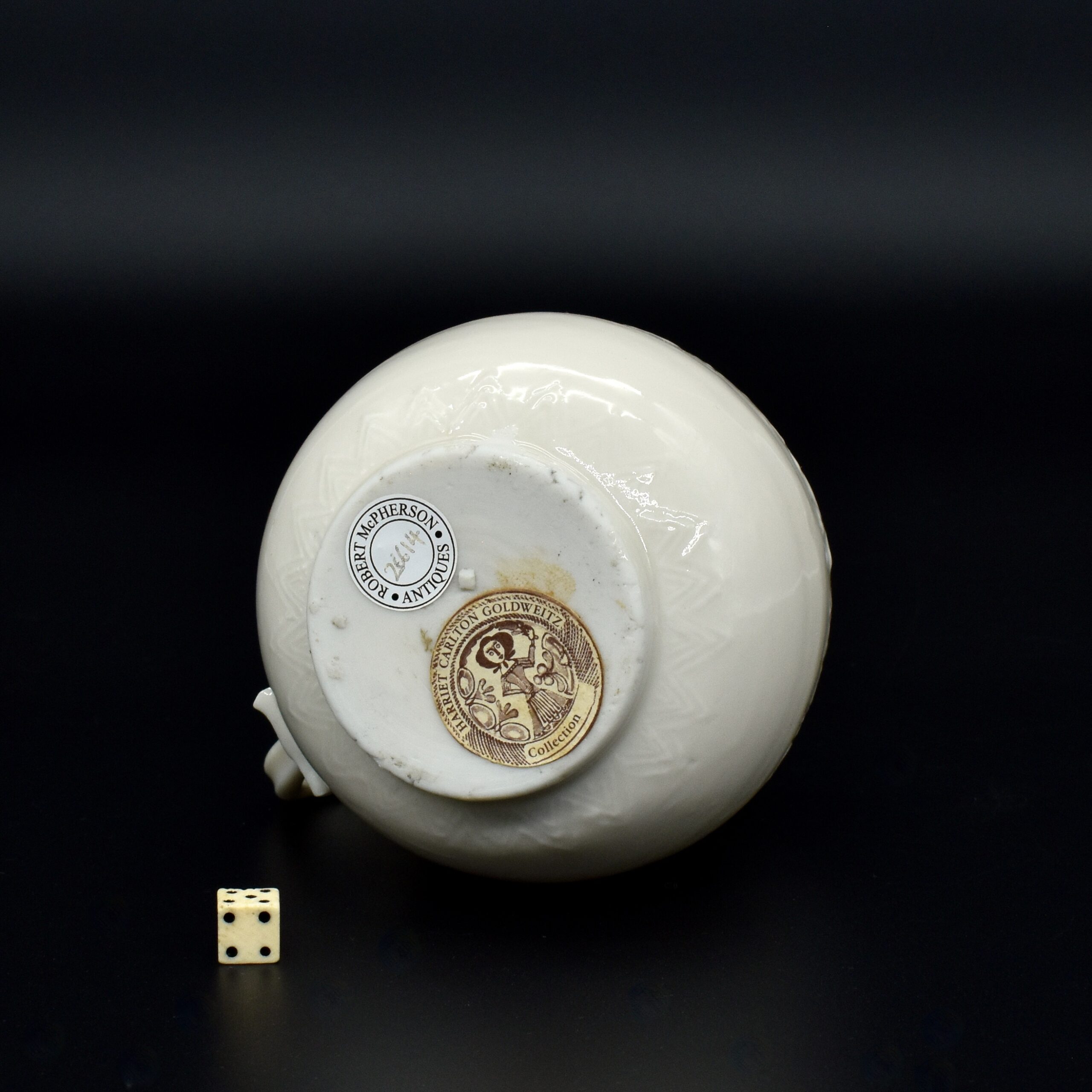
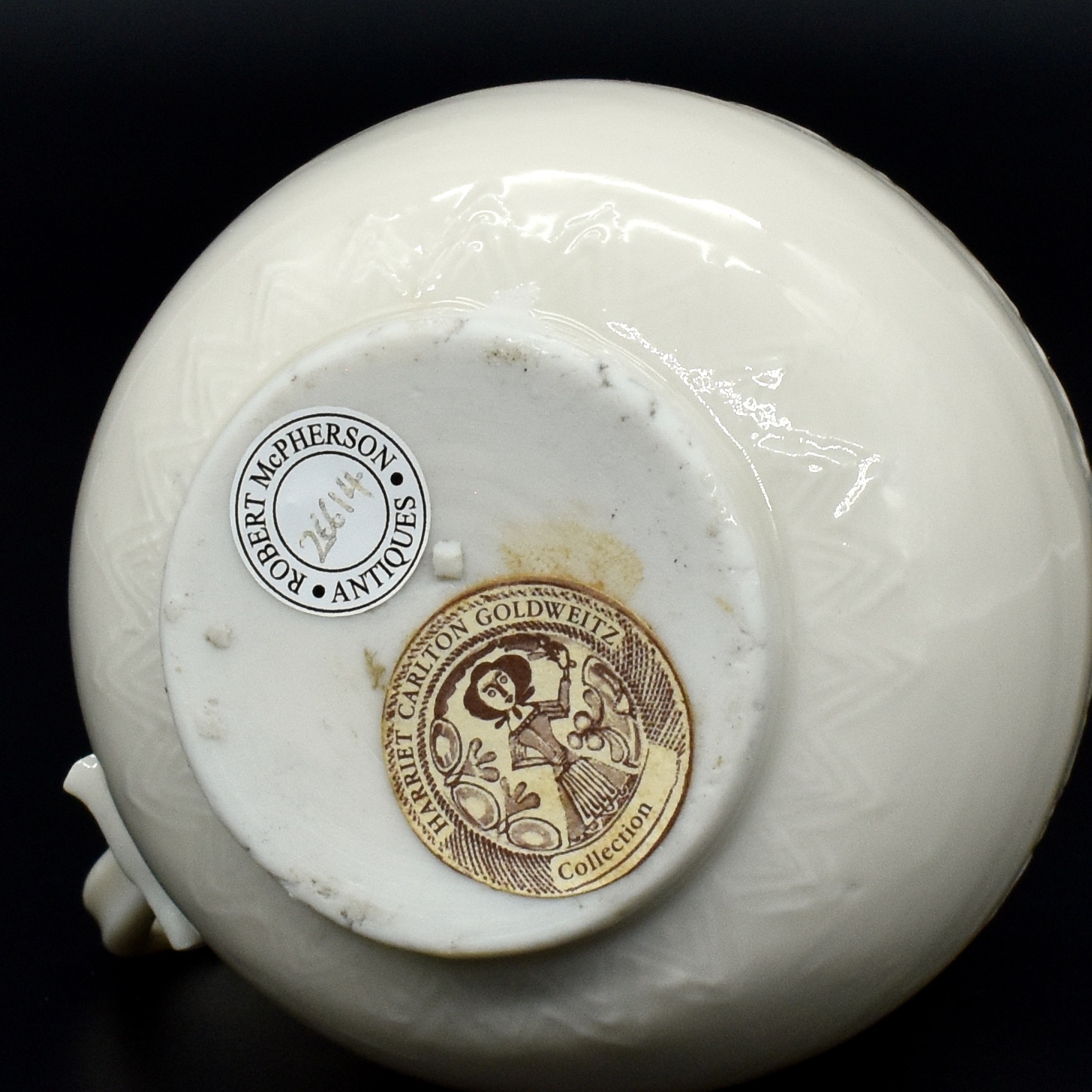
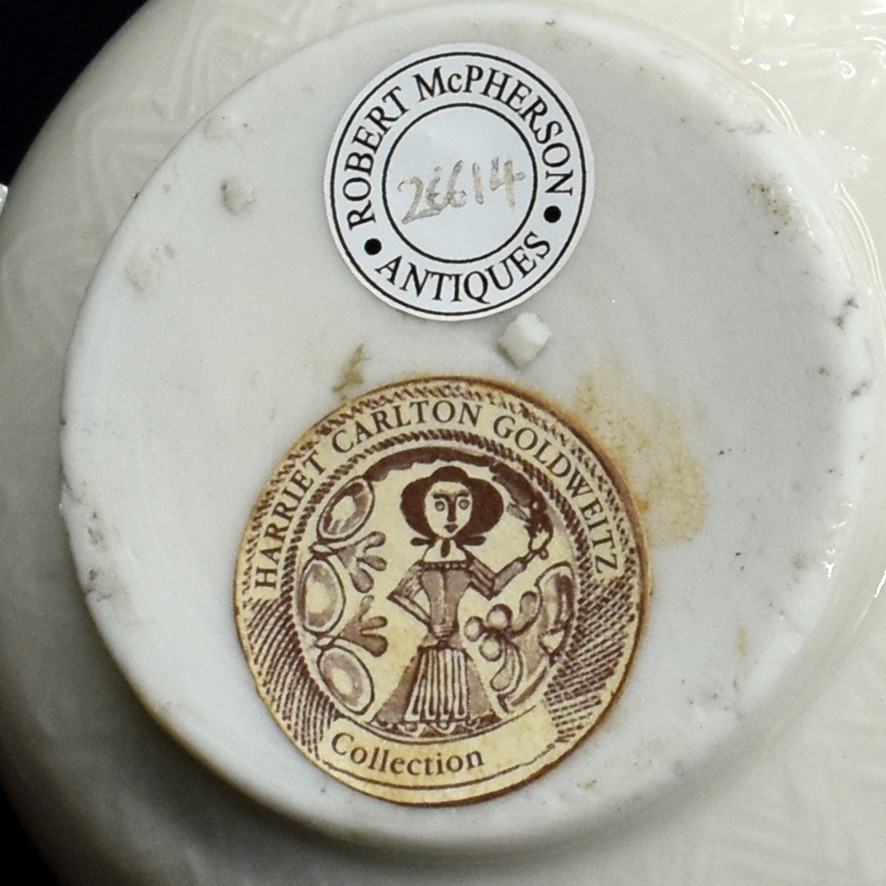
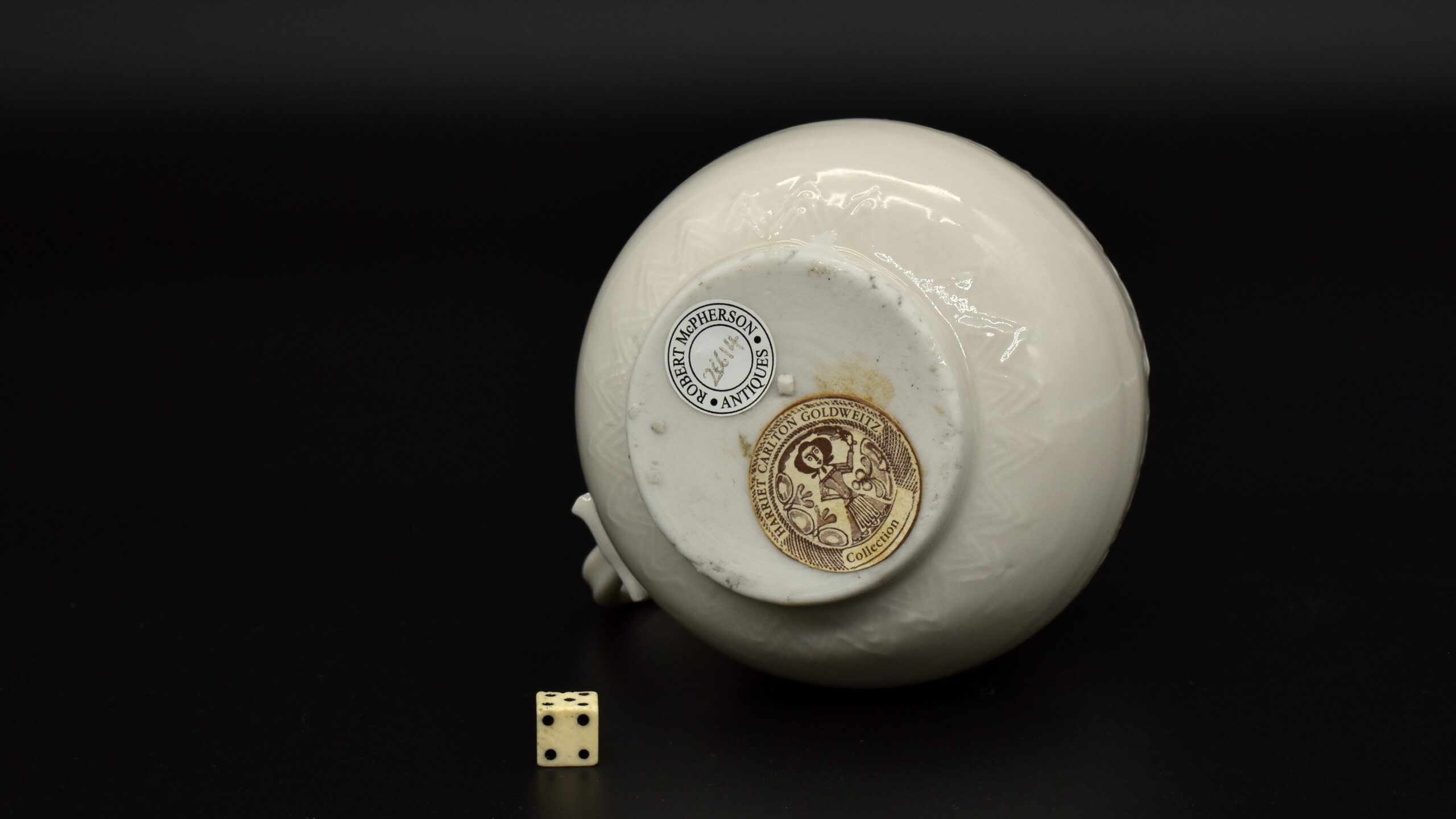
- Harriet Carlton Goldweitz Collection is one of the most celebrated private assemblages of English pottery. Comprising over 180 rare pieces from the late 1600s to 1800. I purchased this piece and a few other pieces of Blanc de Chine porcelain from the family. They were comparative examples for her collection of English pottery, that was sold at Sotheby's in 2006.
- Stock number
- 26614
- £ GBP
- € EUR
- $ USD
Photos
Information
The origins of the gorge lie in the wider European tradition of making globular drinking vessels. German potters were producing stoneware drinking jugs and mugs during the 15th and 16th centuries. Important centres included the Rhineland, particularly Frechen and Westerwald. Stoneware was ideal for drinking vessels. Fired at high temperatures, it was hard, durable and relatively impermeable to liquids. Especially important if you look at the behaviour in taverns of the late 17th century. Dutch and Flemish paintings frequently show riotous drunken scenes which frequently show damaged pottery. German stoneware was also exported in substantial quantities. English consumers encountered these imported wares long before English potters developed a successful stoneware industry of their own.
The characteristic rounded body and narrower neck of the gorge developed within this Continental tradition, however I think its a particularly English model. One of the central figures in the history of the gorge is John Dwight. Dwight established his pottery at Fulham, London, and obtained a patent in 1672 relating to the manufacture of stoneware. He sought to produce English wares capable of competing with the imported German products that were already popular in the domestic market. As you can see below, the gorge was made using many materials, including glass and Chinese porcelain from Dehua.
A Very Similar Chinese Blanc de Chine Gorge c.1685 - 1710.
This piece was part of a large group of rare Blanc de Chine porcelain that my dear late friend Mr. Alan Green left to the Fitzwilliam Museum in Cambridge.
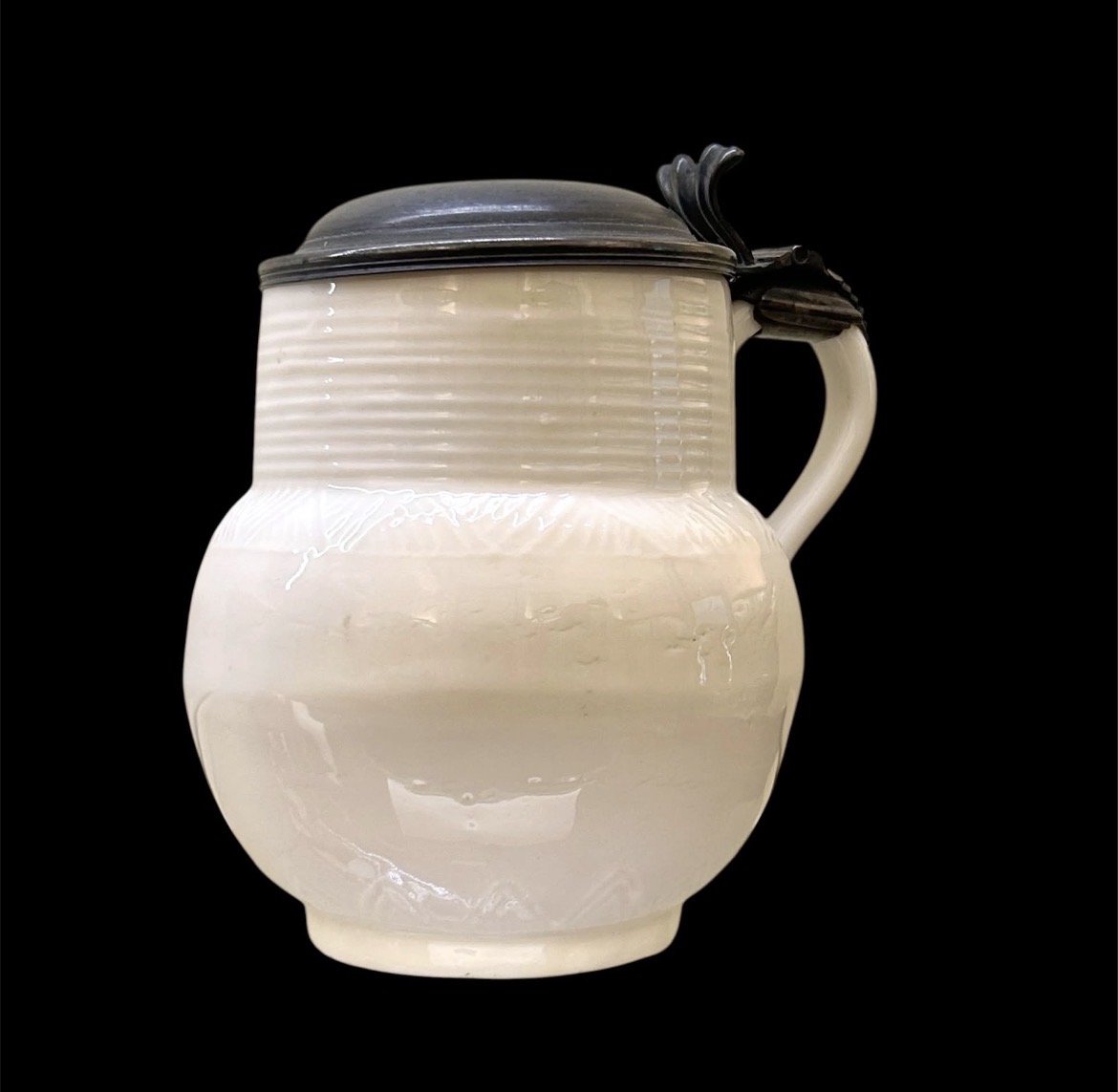
Chinese, Ming Dynasty (1368-1644)
Late 17th century.
Blanc de Chine, mounted with a 19th century lid
Given by Mr. Alan Green
C.146-2010." Fitzwilliam Museum, Cambridge, England.
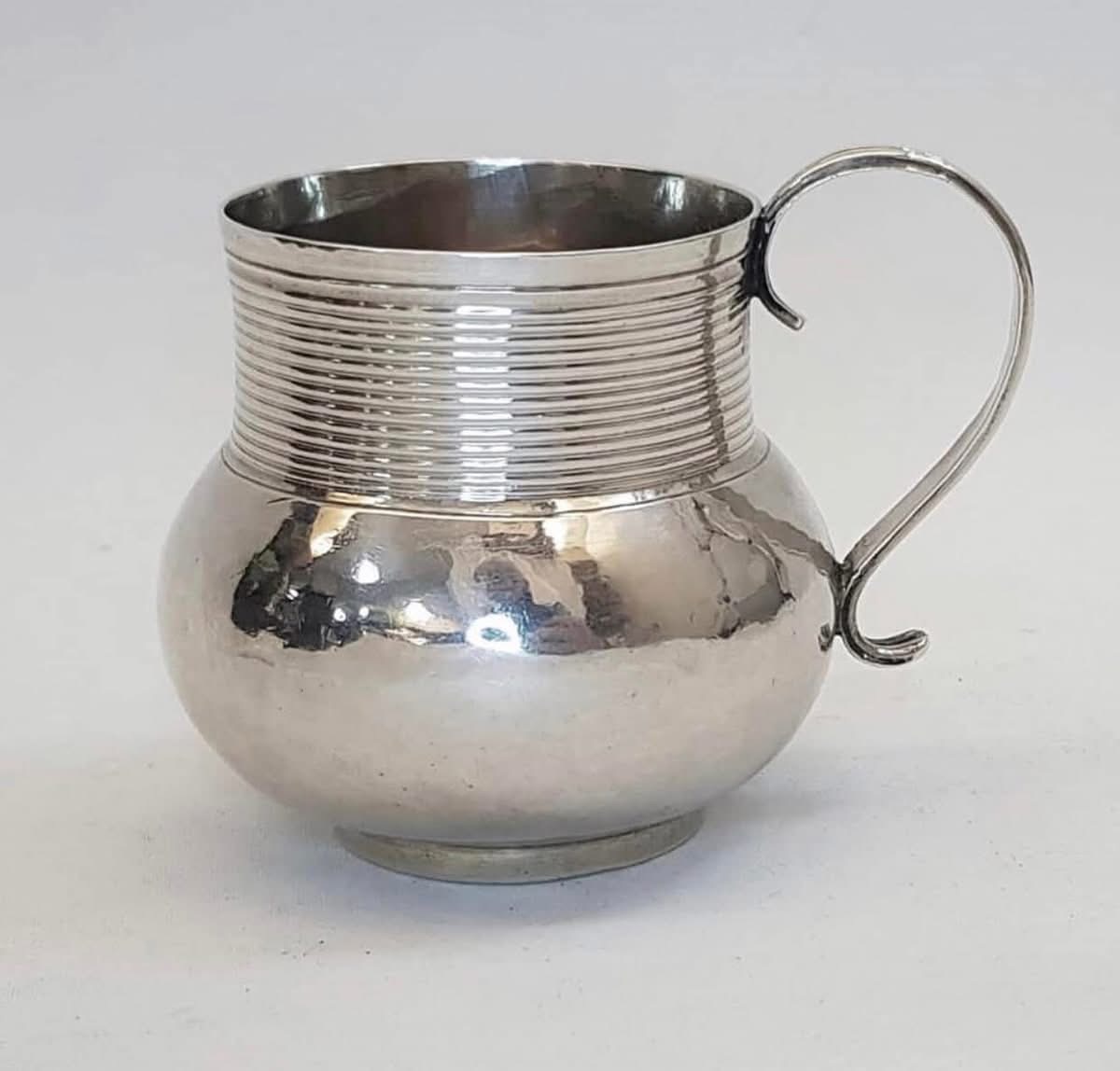
Mark “I.C” in a shield with a pellet below. Possibly John Cory. London 1694.
Jan Miense Molenaer (1610 - 1668).
I don't think this is a conducive place to drink from a gorge.