A Rare Mid-17th Century Japanese Porcelain Tiger Dish
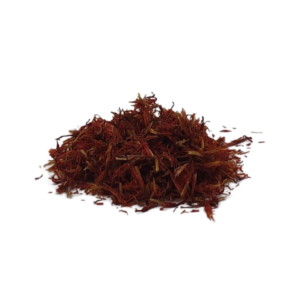
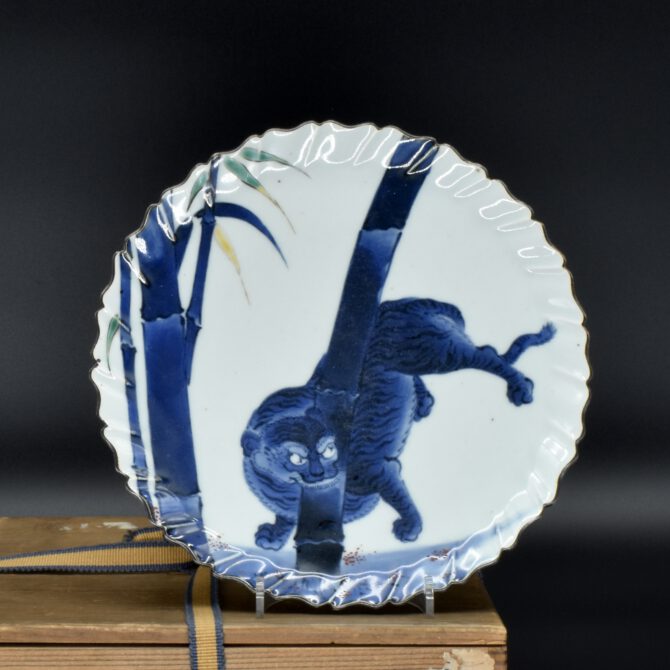
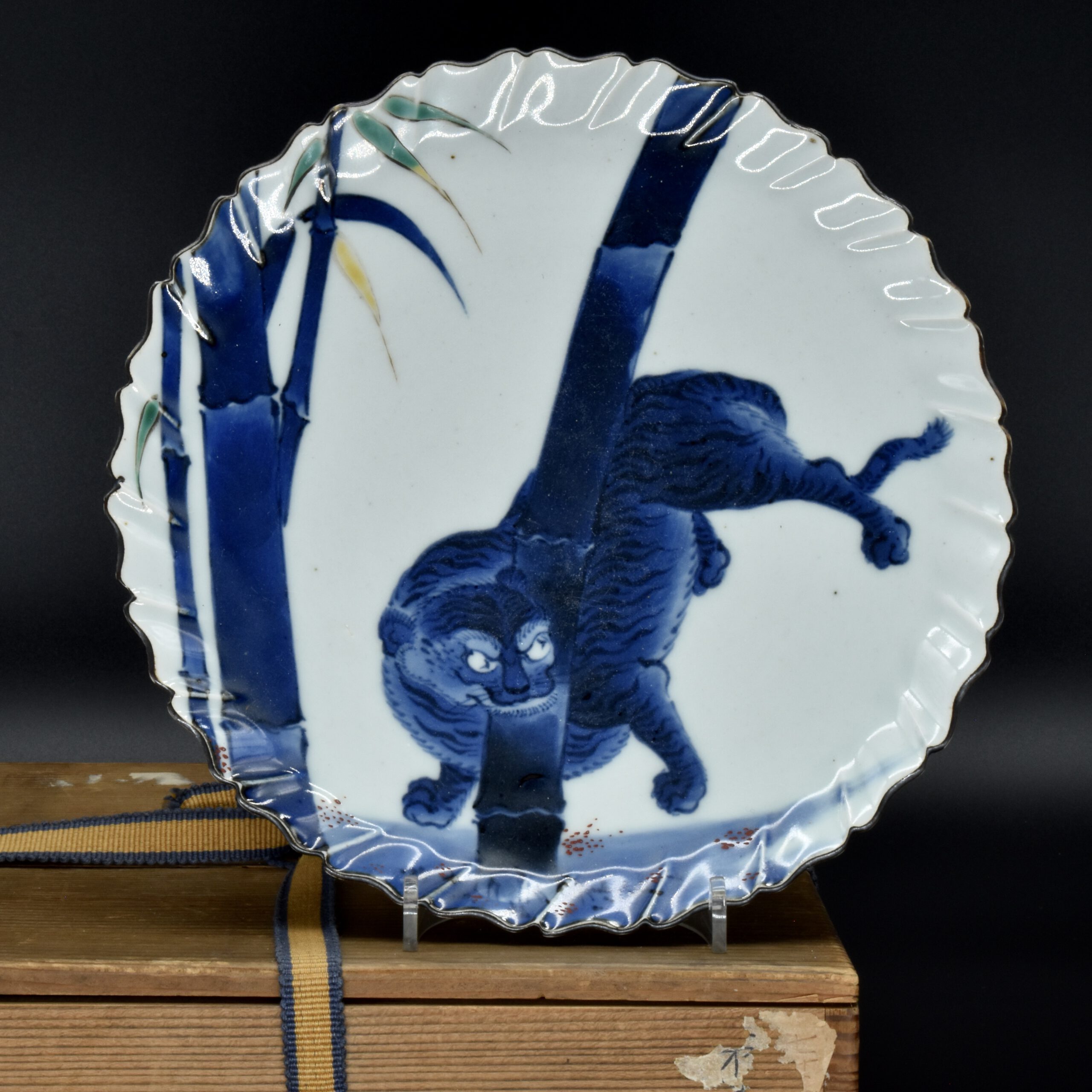
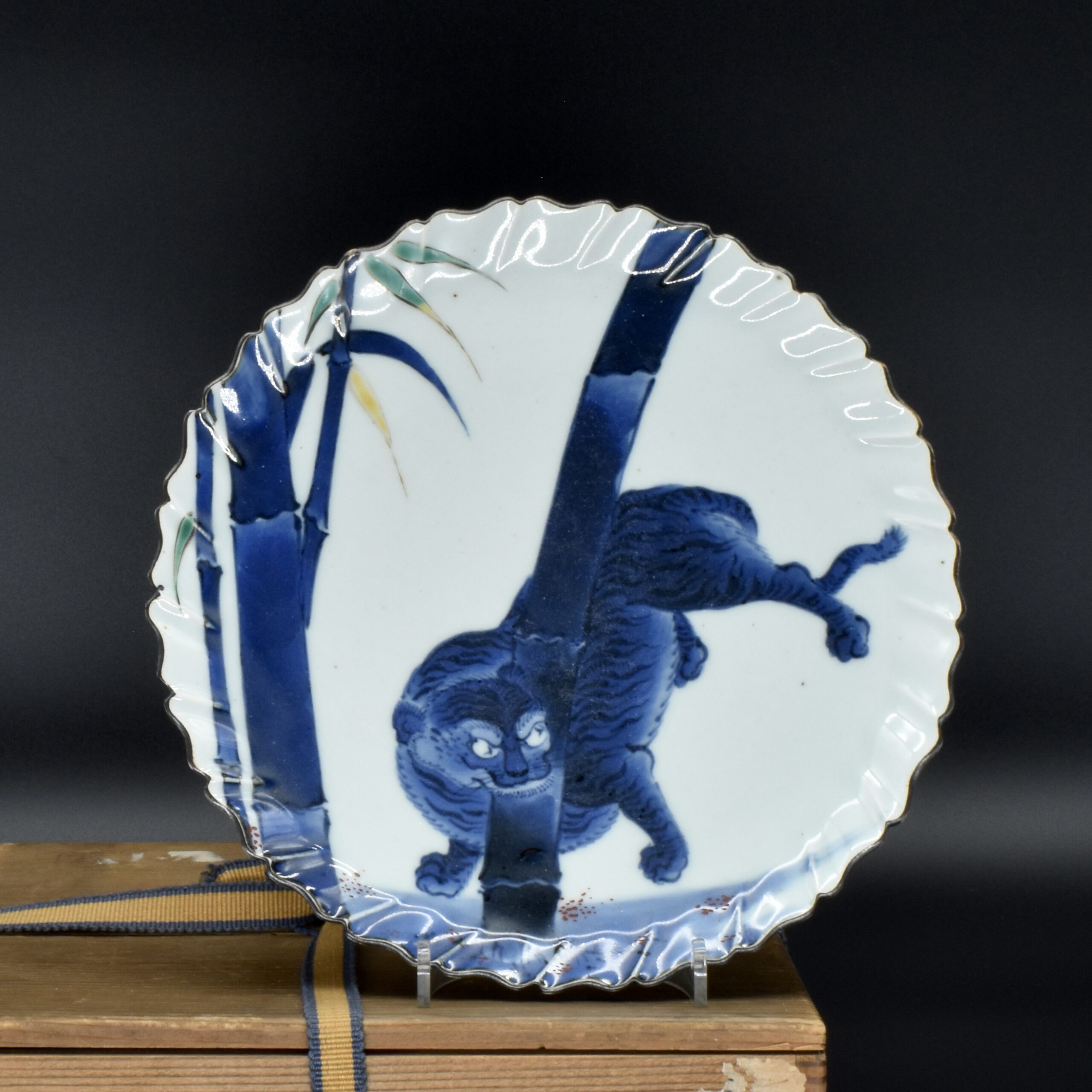
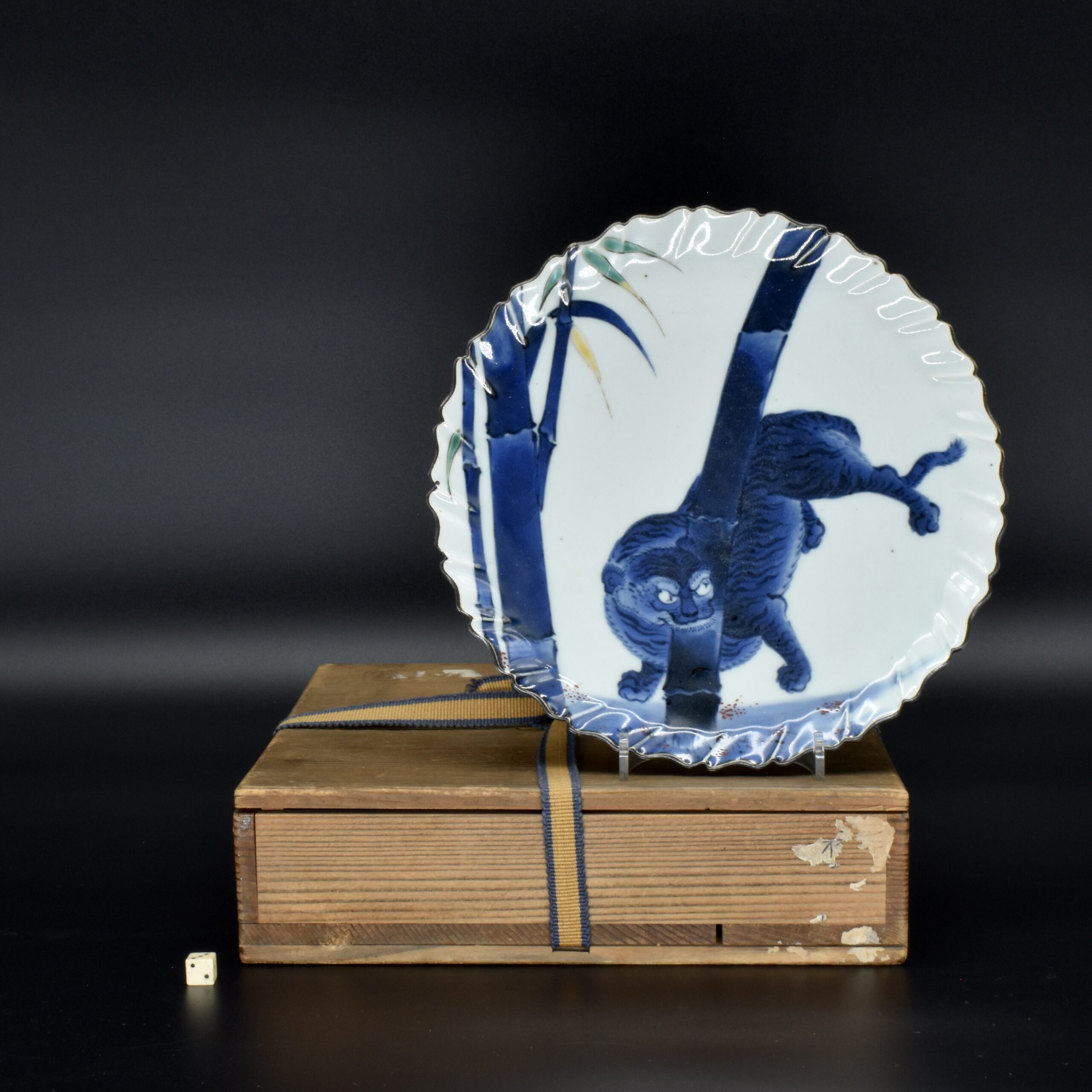
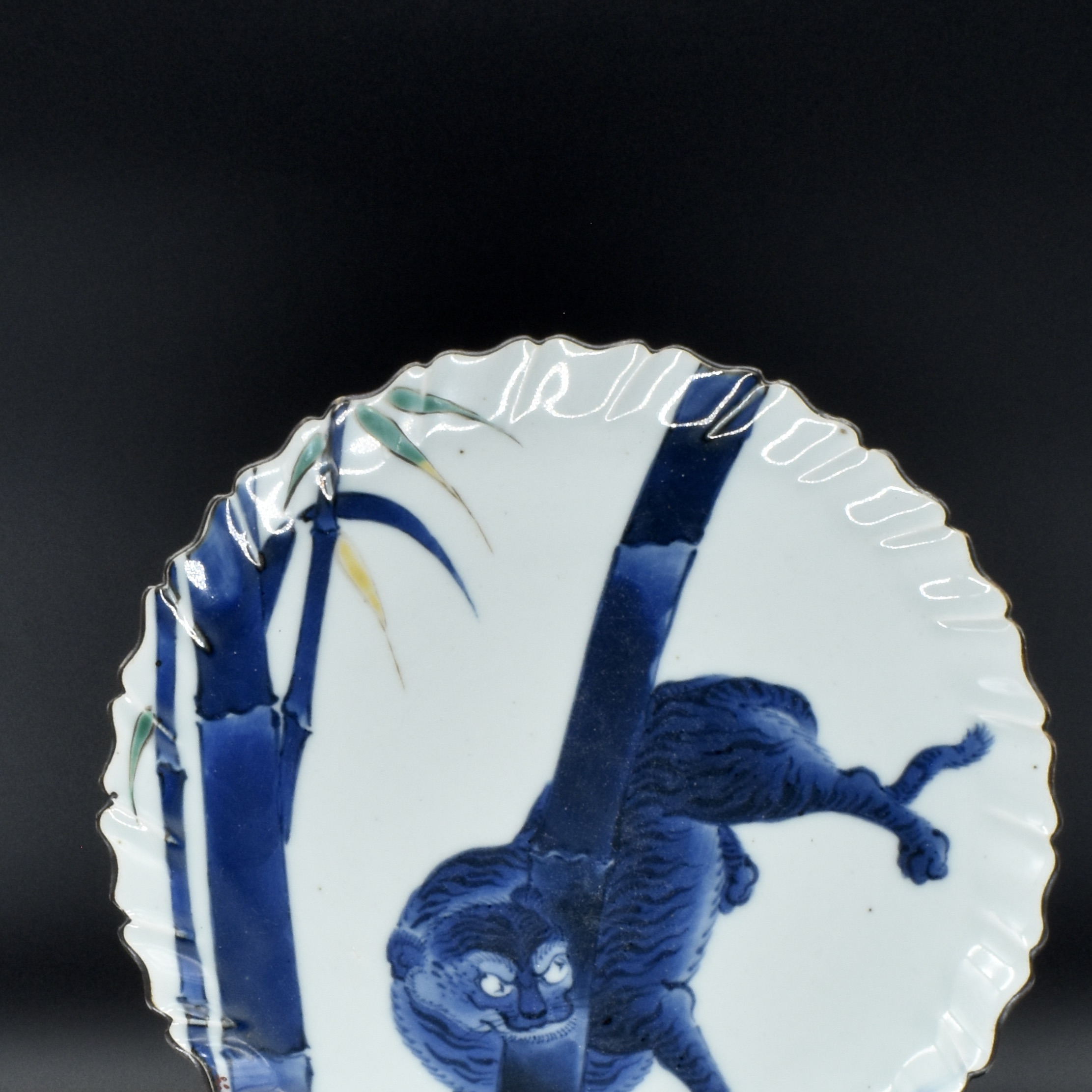
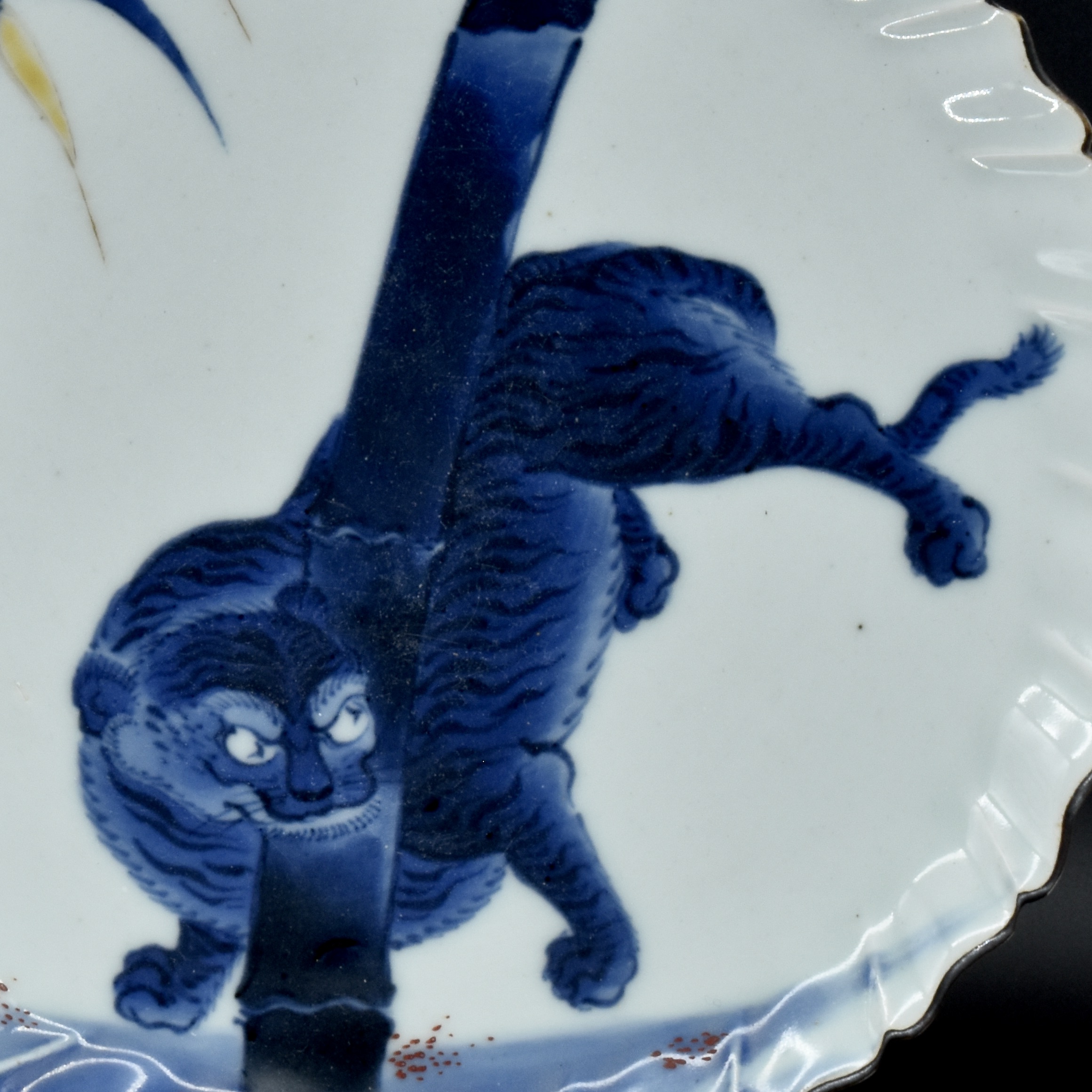
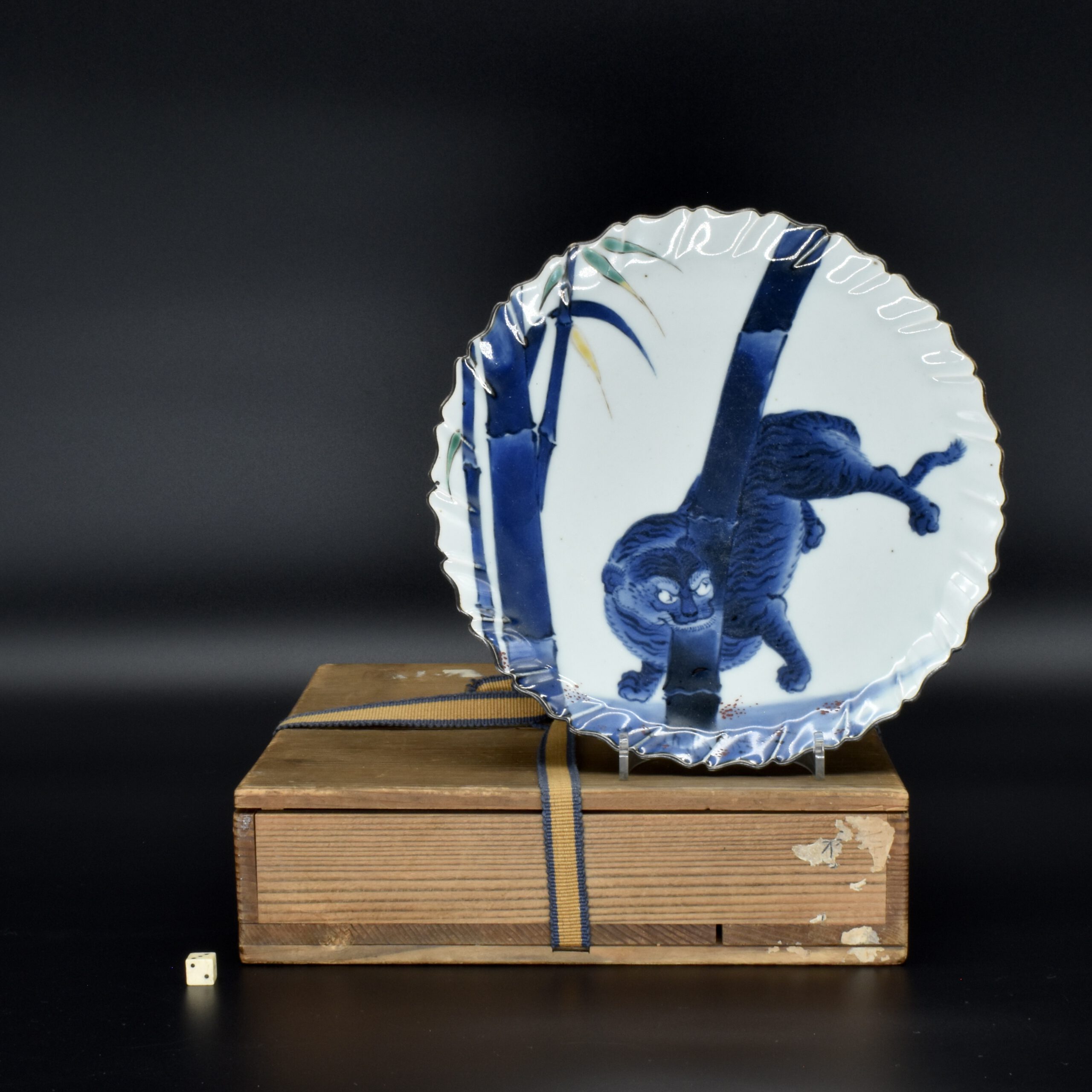
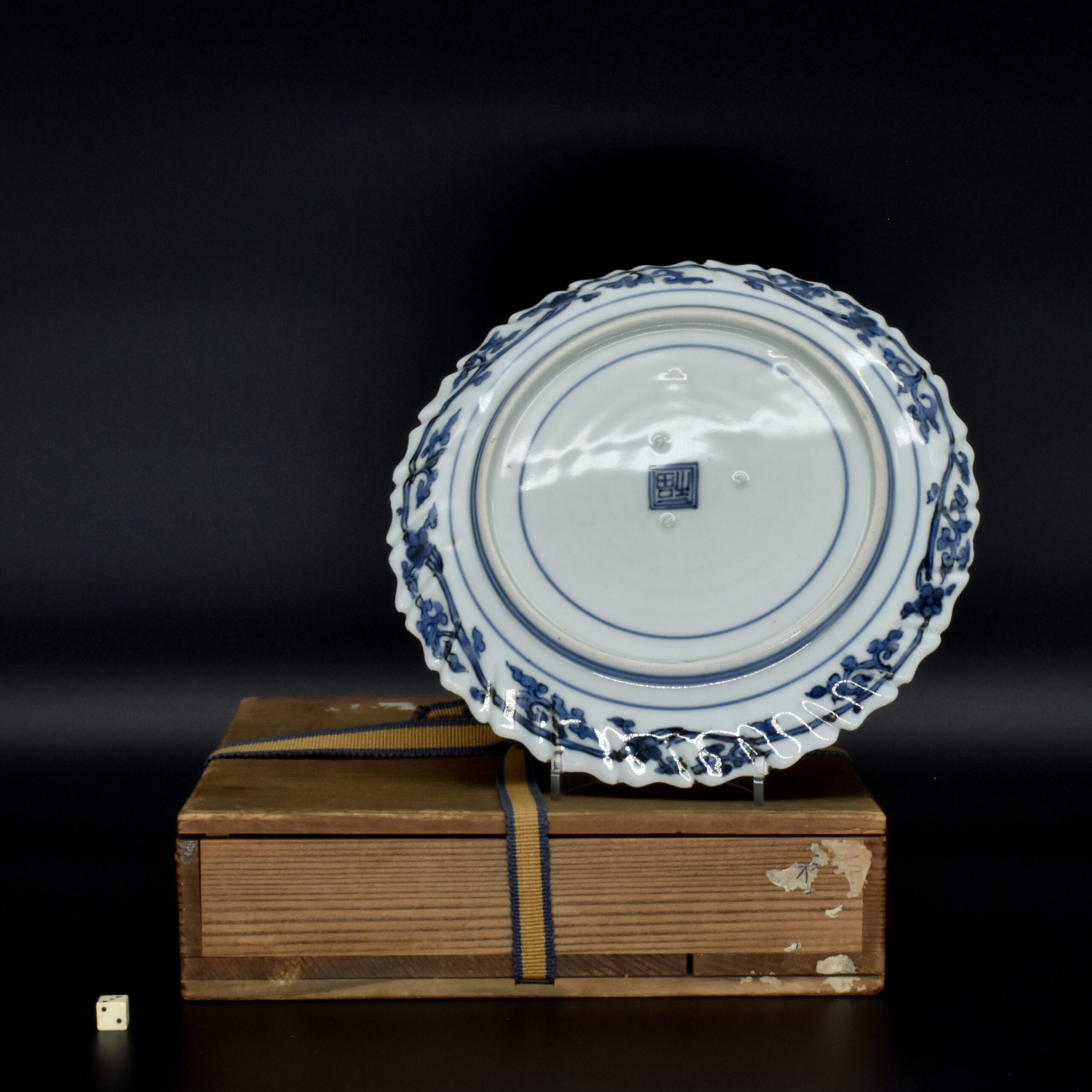
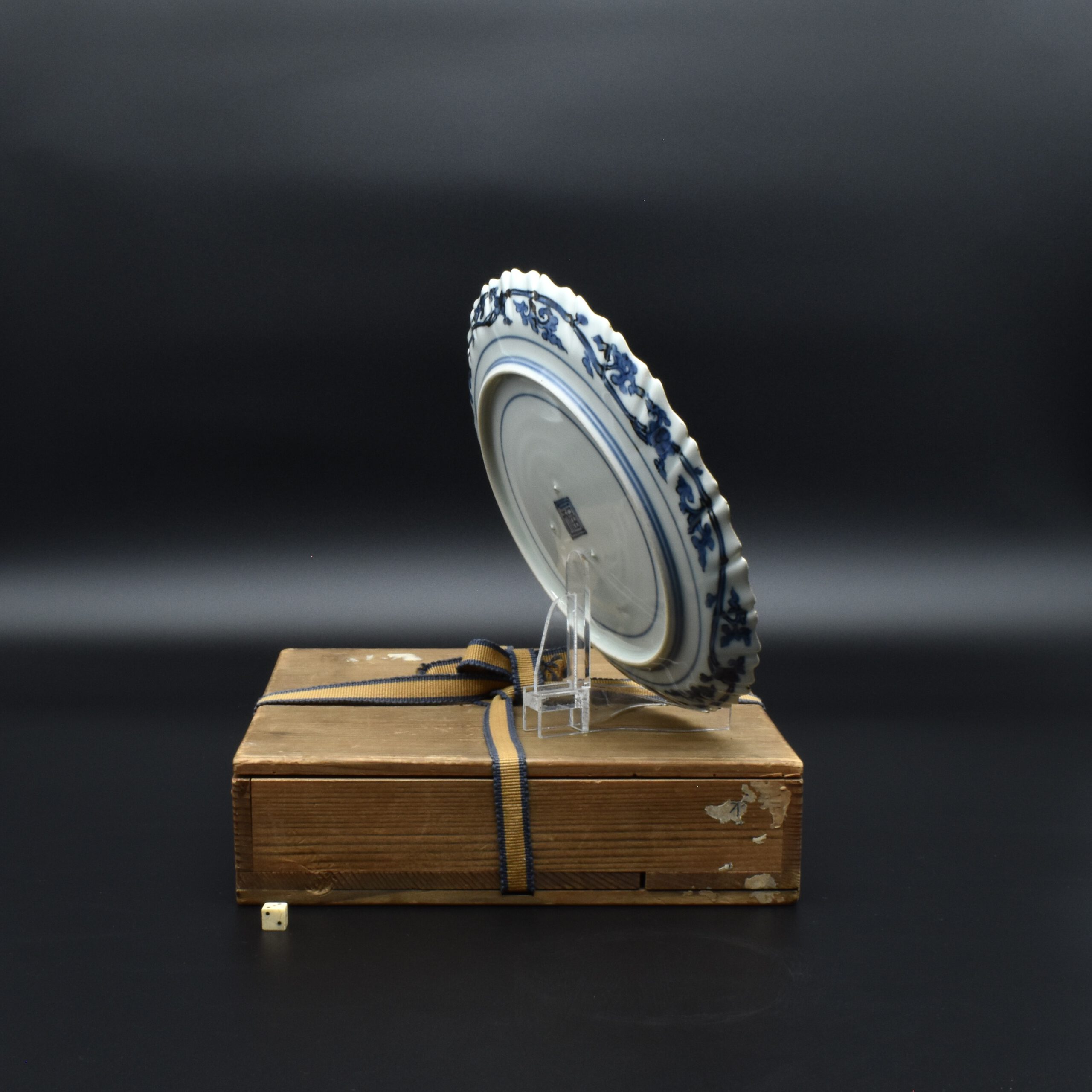
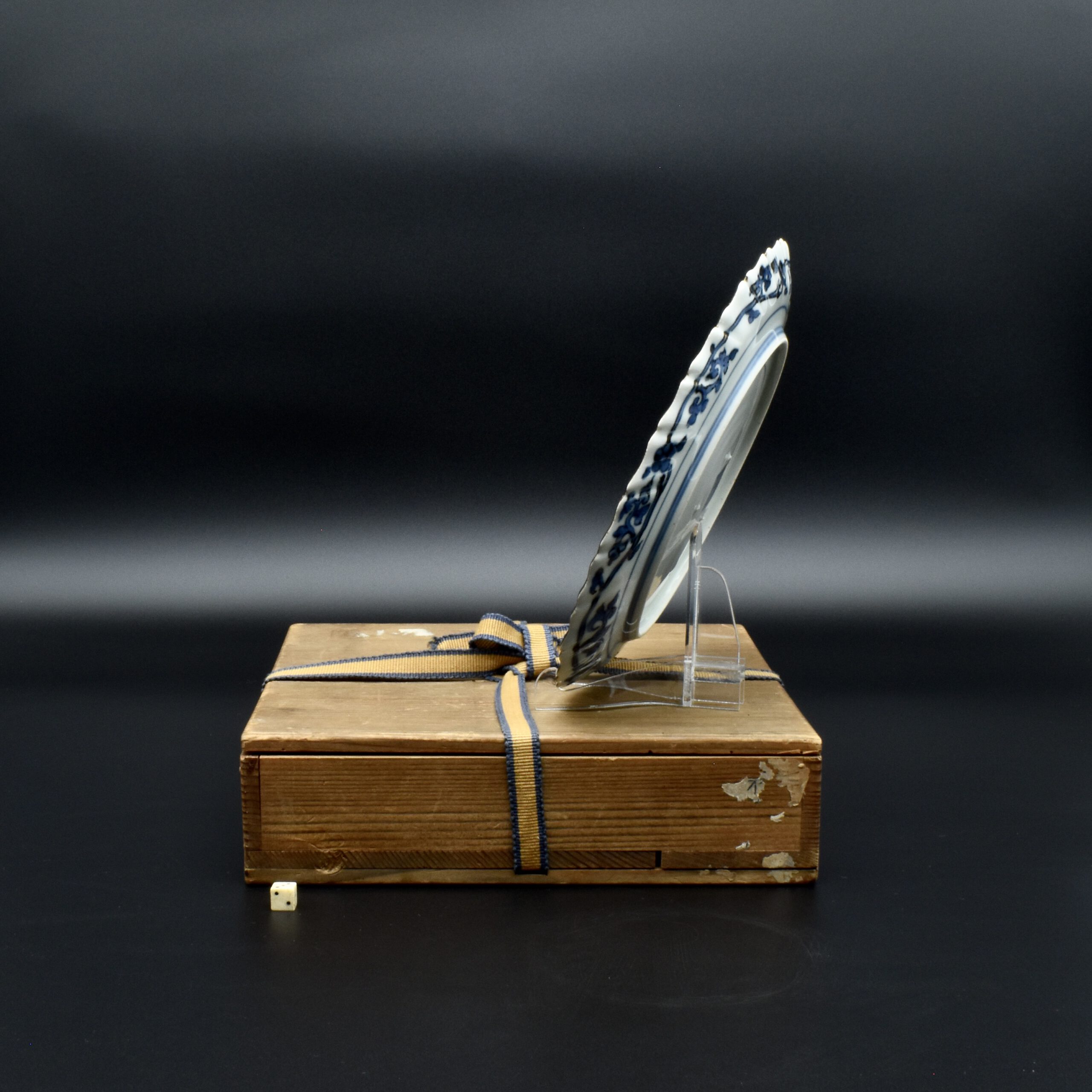
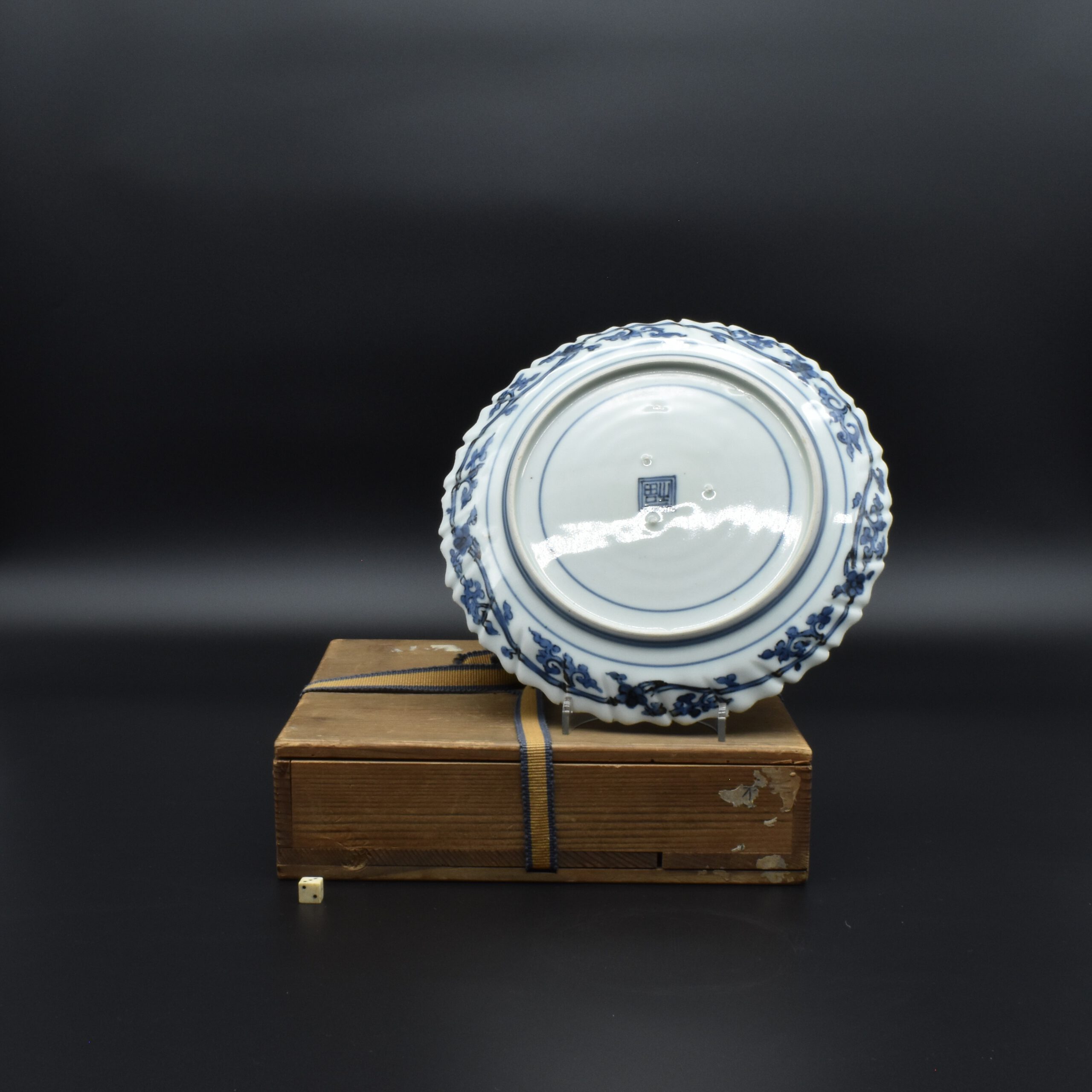
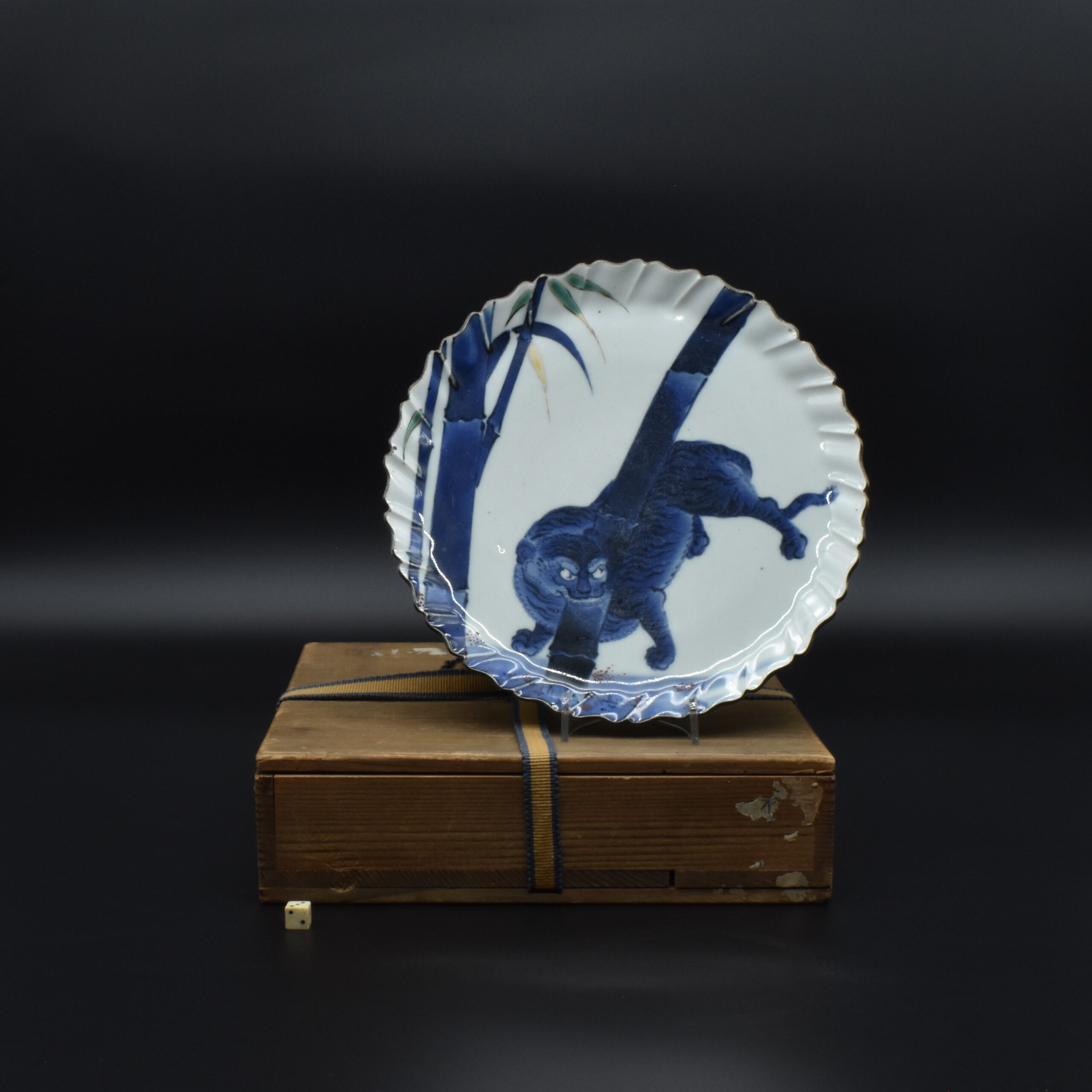
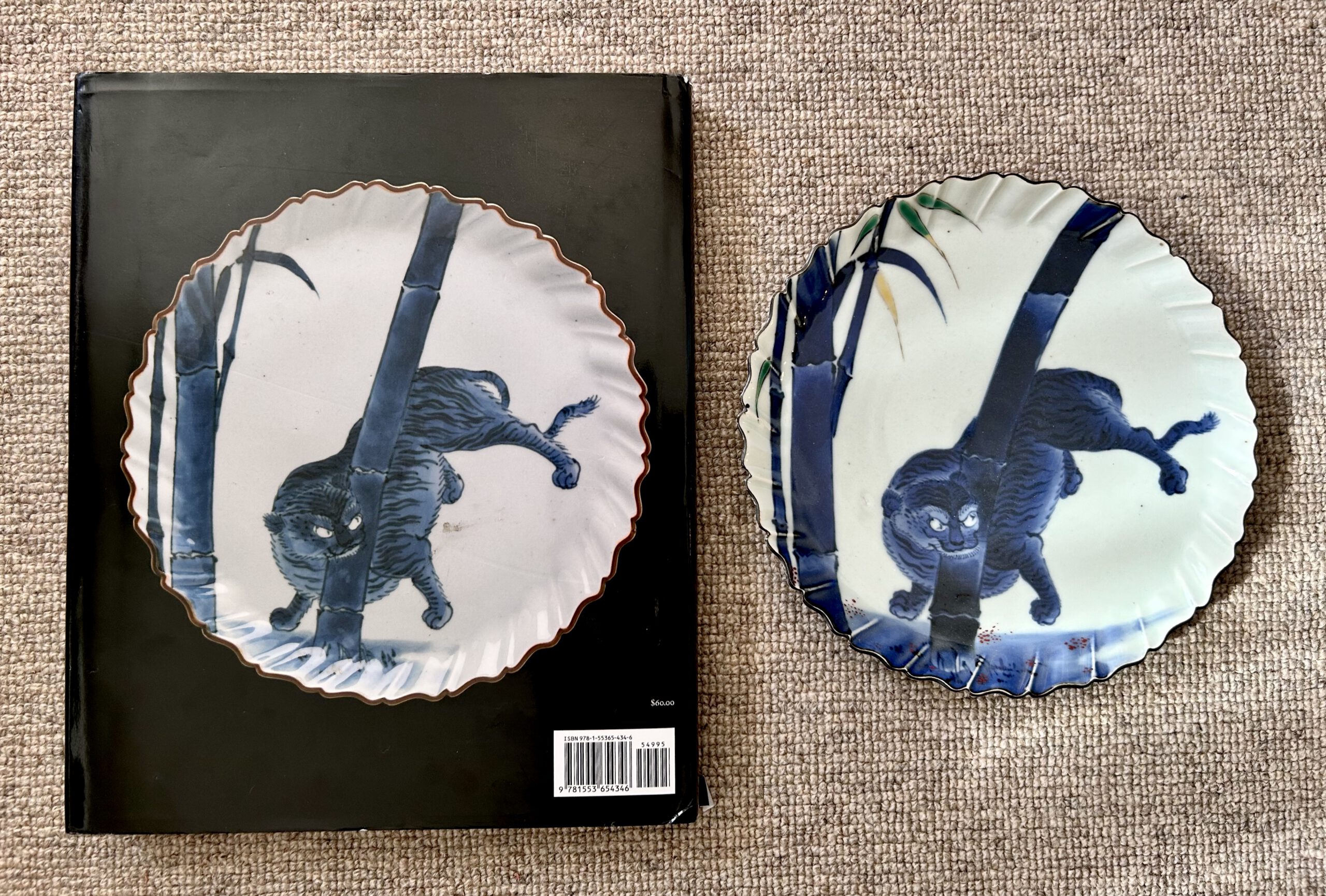
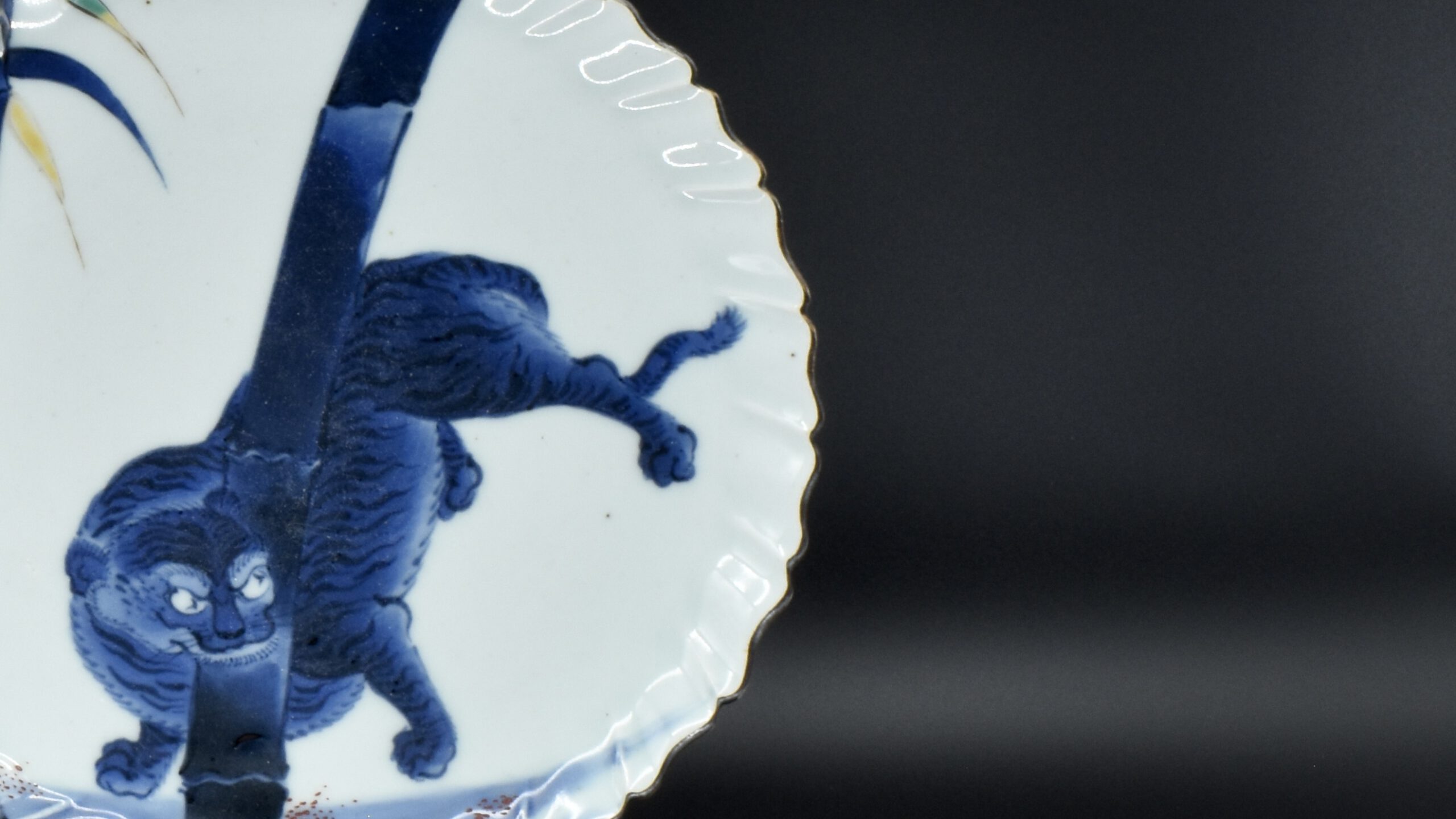
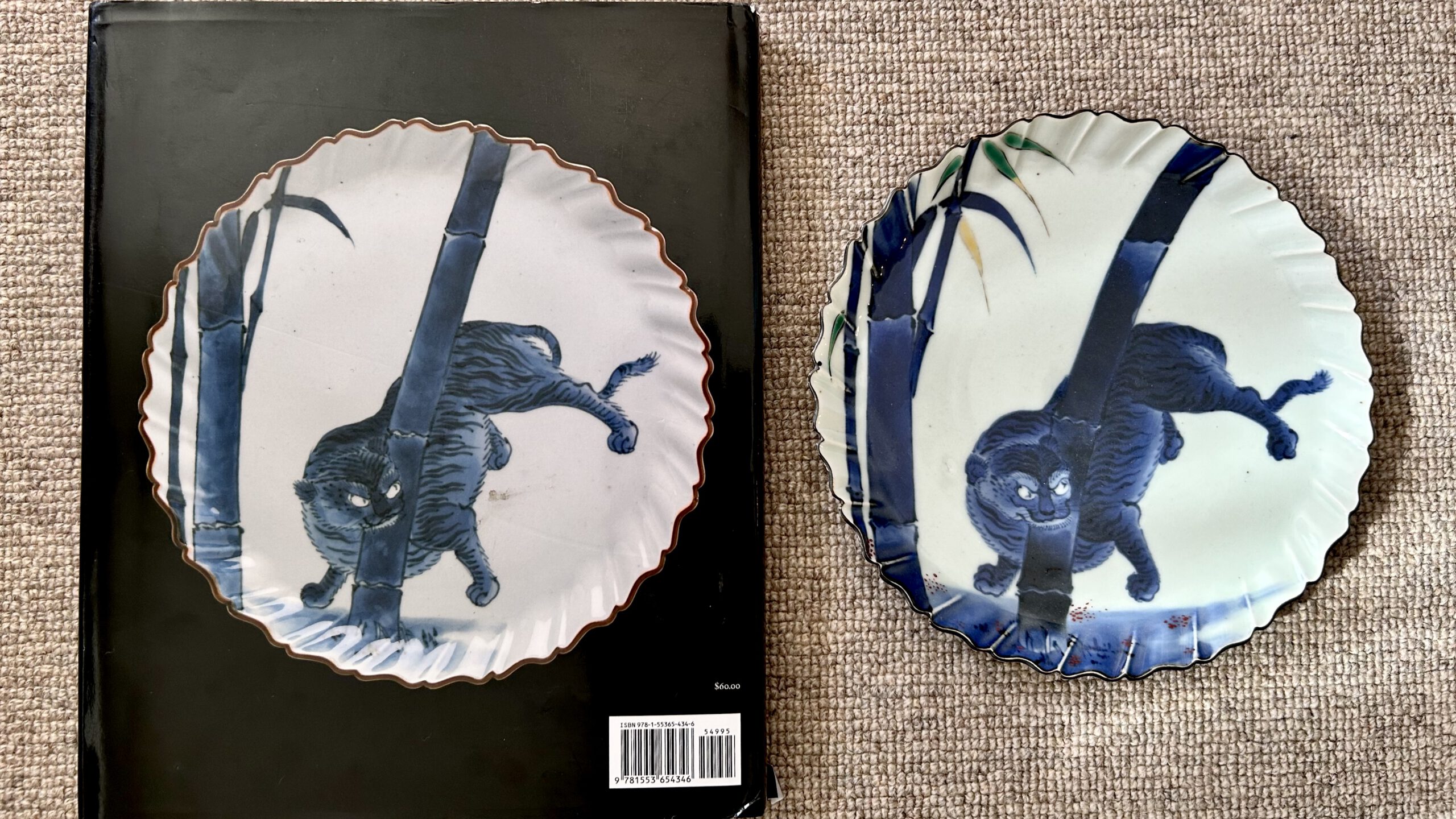
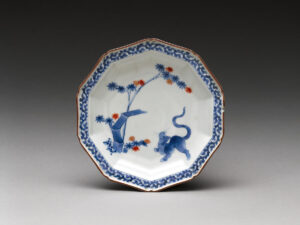
A Rare 17th Century Japanese Porcelain Tiger Dish, Arita Kilns c.1660 – 1670. This mould made plate is thinly potted and has an iron brown rim. Tigers represent Yin, the female side of Yin and Yang. This striking design is of a large menasing female tiger, with her head wrapped around a substantial bamboo stem, with further bamboo to the left. The design is bold and strong, with the horizontal lines of the bamboo adding energy. This Arita dish is painted in exceptionally strong tones of cobalt blue, looking closely, you can see the details aren’t visible at first, due to tone of blue being similar for the details and the tonal washes. The well crafted, rather thinly potted dish was made with the help of a mould. The gently raised ribbed sides with foliate edge is a feature that was perhaps taken from a lacquer or metal form. The date of this dish is likely to be from the period of 1660 to 1670, according to moulded dishes in the Shibata collection (not this design), the earliest version of this shape is dated to c.1655. Two examples of dishes of this shape and design in the Toguri Museum have been dated to the second half of the 17th century, the example in the Gardiner Museum is dated to c.1650. I’ve not been able to find an example with enamel decoration. It’s likely the enamels are Japanese from 17th century, or perhaps early 18th century. The type of painting and enamels used are too restrained to be 18th century Dutch decoration, they would have added more decoration. The shape of the bamboo leaves is well observed, the yellowing of the leaf ends shows a familiarity with this plant, another reason to rule out European decoration. For an example of a Japanese Kakiemon style porcelain dish, of a design and shape that was produced with and without the overglaze colours, see below the ‘Picture Gallery’. The flat rim is dressed with an iron-oxide enamel, called 口紅 Fuchibeni in Japanese, meaning lipstick. It was used to frame ceramic designs but it also adds some strength to the fragile rim, as well as showing that the rim was not chipped. The word Fuchibeni, comes from kuchi meaning mouth and beni meaning red/safflower red.
SOLD
See Below For More Photographs and Information
- Condition
- In excellent condition, very minor wear to a few tiny areas of enamel.
- Size
- Diameter 20 cm (7.9 inches).
- Provenance
- N/A
- Stock number
- 27280
- References
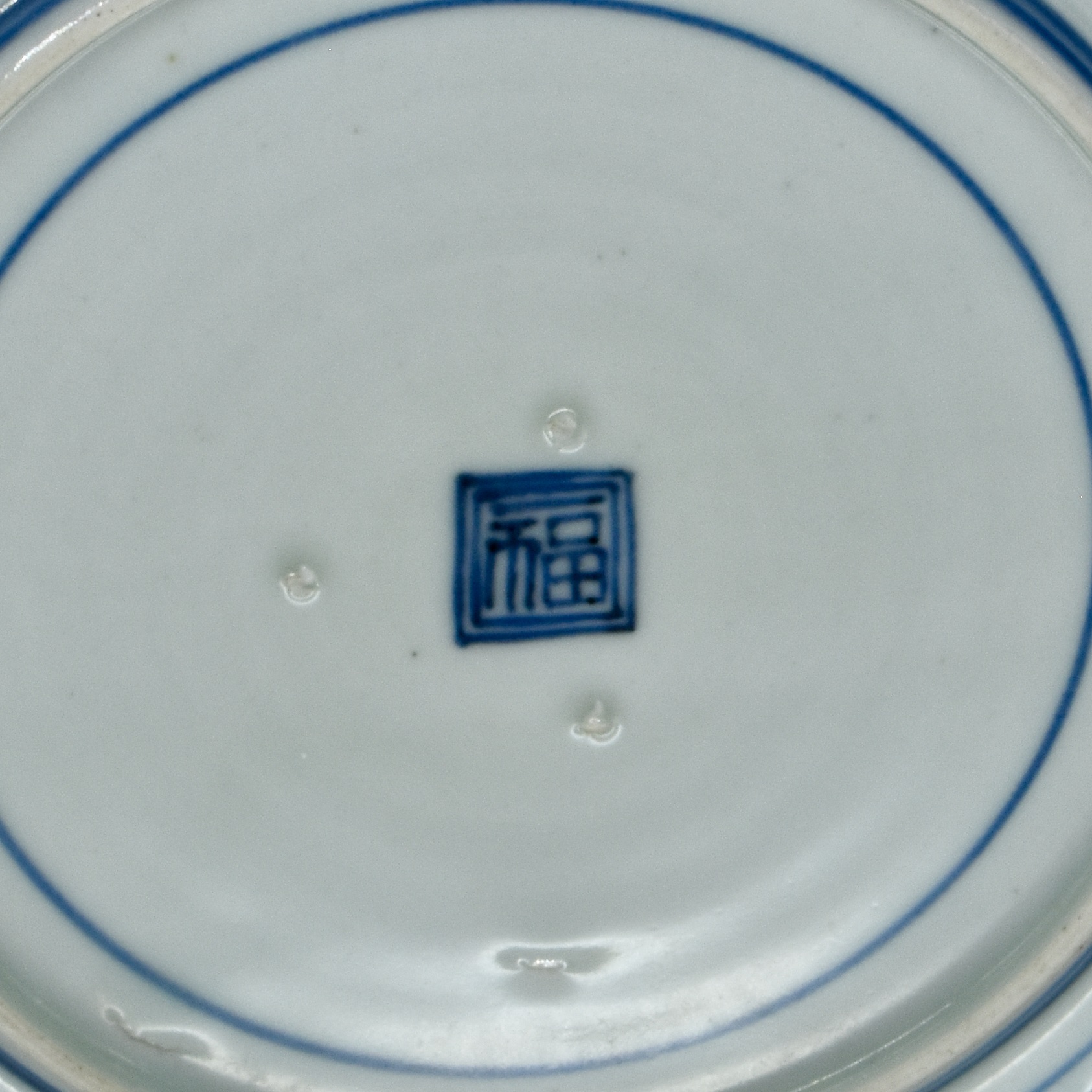
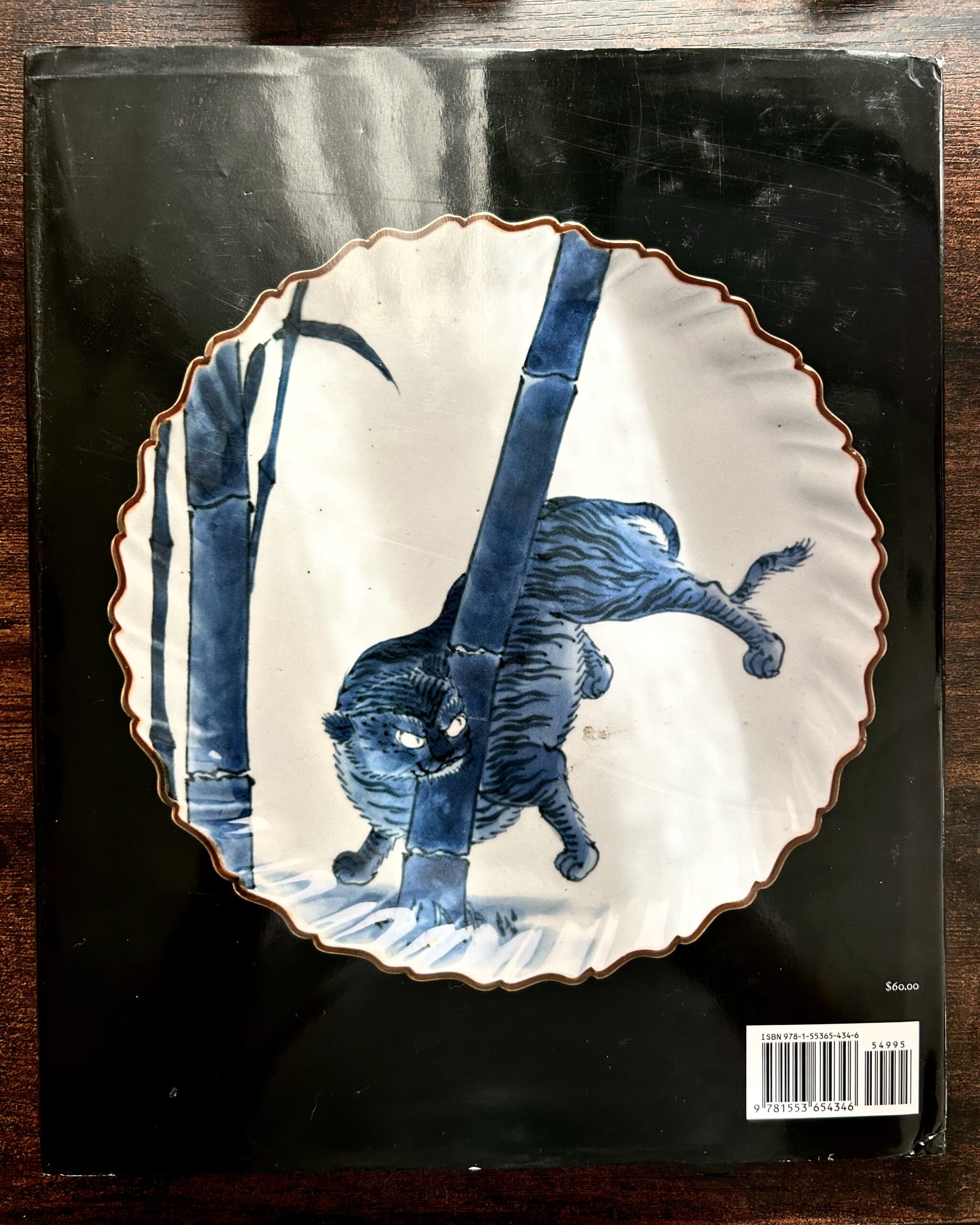
- Two dishes of this shape and design, but lacking the overglaze enamel are in in the Toguri Museum of Art, see : Old Imari Ware (Machiko Koizumi & Yumi Nakajima, Toguri Museum of Art Tokyo, 1991. Toppan Printing Co. Ltd.) pages 40 and 41, plates 74 and 75. They date their examples to the second half of the 17th century. Another blue and white dish of this shape and design is in the Gardener Museum in Canada, "Dish with tiger and bamboo Japan, Hizen, c. 1650 Porcelain with underglaze cobalt blue, iron-oxide brown Mark: fuku (happiness). The Macdonald Collection". See Dragons, Tigers and Bamboo, Japanese Porcelain and Its Impact In Europe ((Oliver Impey, Christiaan J.A Jörg and Charles Mason. Gardiner Museum. Published by Douglas & McIntyre. 2009. ISBN 978-1-55365-434-6.) Page 74, Fig.23 and illustrated on the back cover.
Photos
Information
A Very Similar Japanese 17th Century Dish, Dated to c.1650.
A blue and white dish of this shape and design is in the Gardener Museum in Canada, "Dish with tiger and bamboo Japan, Hizen, c. 1650 Porcelain with underglaze cobalt blue, iron-oxide brown Mark: fuku (happiness). The Macdonald Collection". See Dragons, Tigers and Bamboo, Japanese Porcelain and Its Impact In Europe (Oliver Impey, Christiaan J.A Jörg and Charles Mason. Gardiner Museum. Published by Douglas & McIntyre. 2009. ISBN 978-1-55365-434-6.) Page 74, Fig.23 and illustrated on the back cover.
A Kakiemon Dish at the Metropolitan Museum of Art
A Kakiemon Style Dish with Enamel on Blue and White Porcelain dated to c.1720.
These dishes were made with and without the overglaze colours.
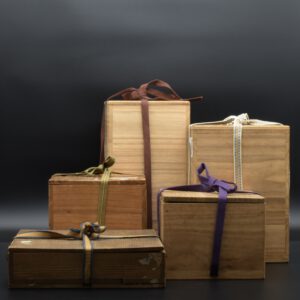
Tomobako Storage Boxes :
Traditional Japanese ceramic storage boxes, referred to as Tomobako are highly valued and much used in Japan. Most boxes are made from paulownia wood, it is lightweight hardwood and it’s also fire resistant, which is very useful in because Japanese buildings tend to be made of timber and have paper dividers inside. The Islands of Japan are located on a highly complex, unstable, and active geological junction where four major tectonic plates collide and subduct. These islands are essentially built upon the boundaries of these plates, with the archipelago forming as a result of the subduction and volcanic activity caused by these tectonic movements. Therefore the use of tradition tomobako is essential for the survival of ceramics in Japan. Japanese museums don’t have this luxury, so they secure the ceramic objects with nylon, which looks very much like fishing line. The paulownia is a fast growing tree, so it isn’t too expensive. It is believed that the phoenix, symbolising wisdom and prosperity, will only land on a paulownia tree when a worthy ruler is in power.
Tomobako containers that protect, store, and often certify the authenticity of the pottery inside. They are typically signed by the owner of the antique ceramic item in the box. They are tied with cord in a specific way, this is regarded as part of the ritual ceremony among a gathering of friends in Japan. Of course not everything in these boxes is what it might seem. Some contain surprising objects, so you will have to wait and see what we have in these boxes.
Fuchibeni : Glazed rims on Japanese Porcelain.