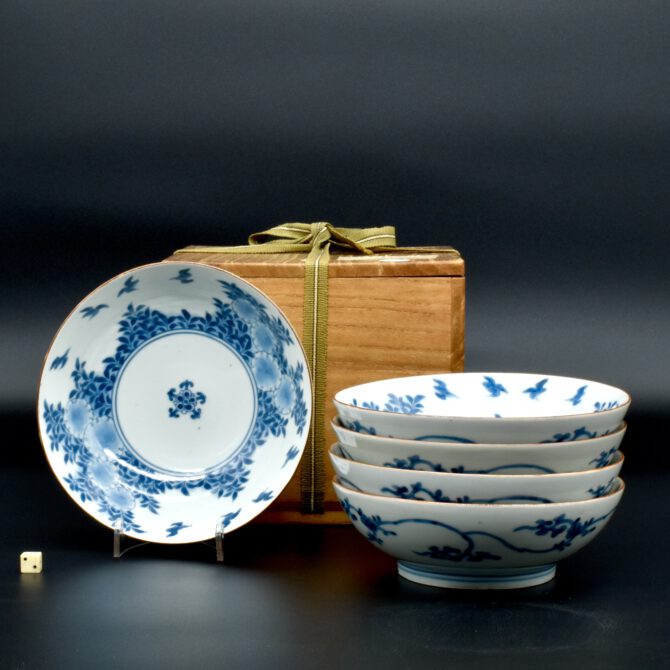
A Set of Five 17th Century Kakiemon, or Possibly Arita, Porcelain Bowls.
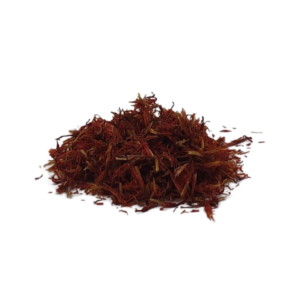
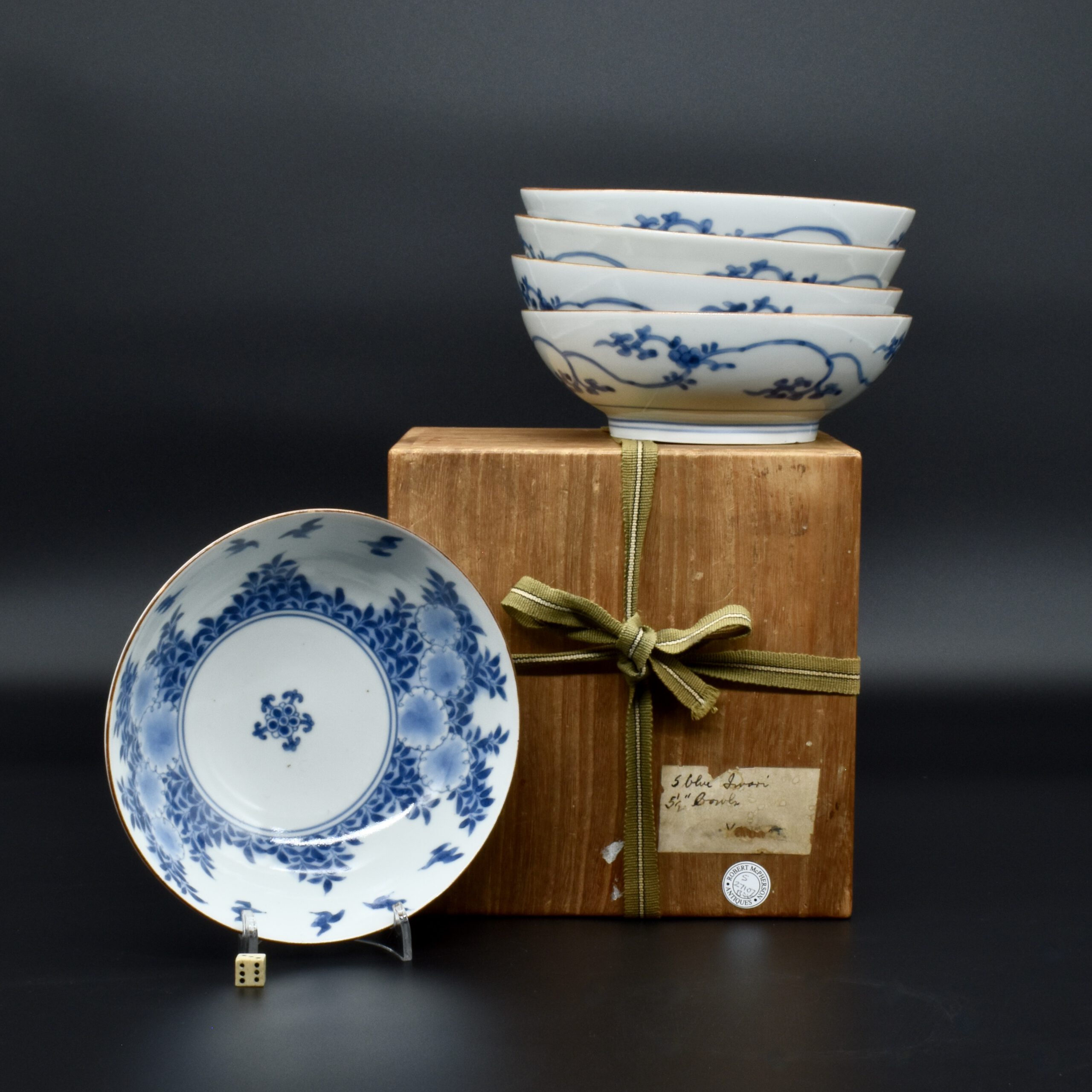
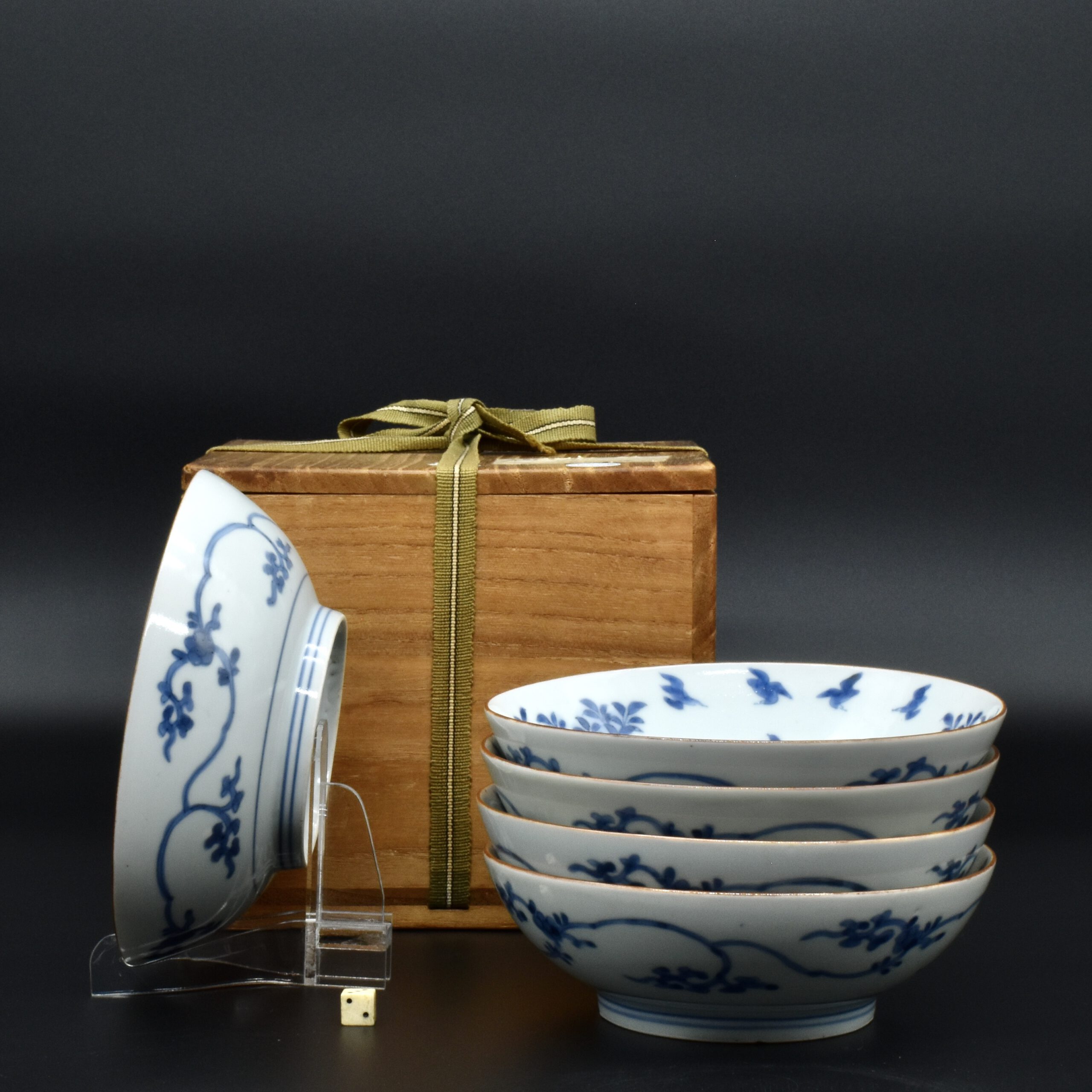
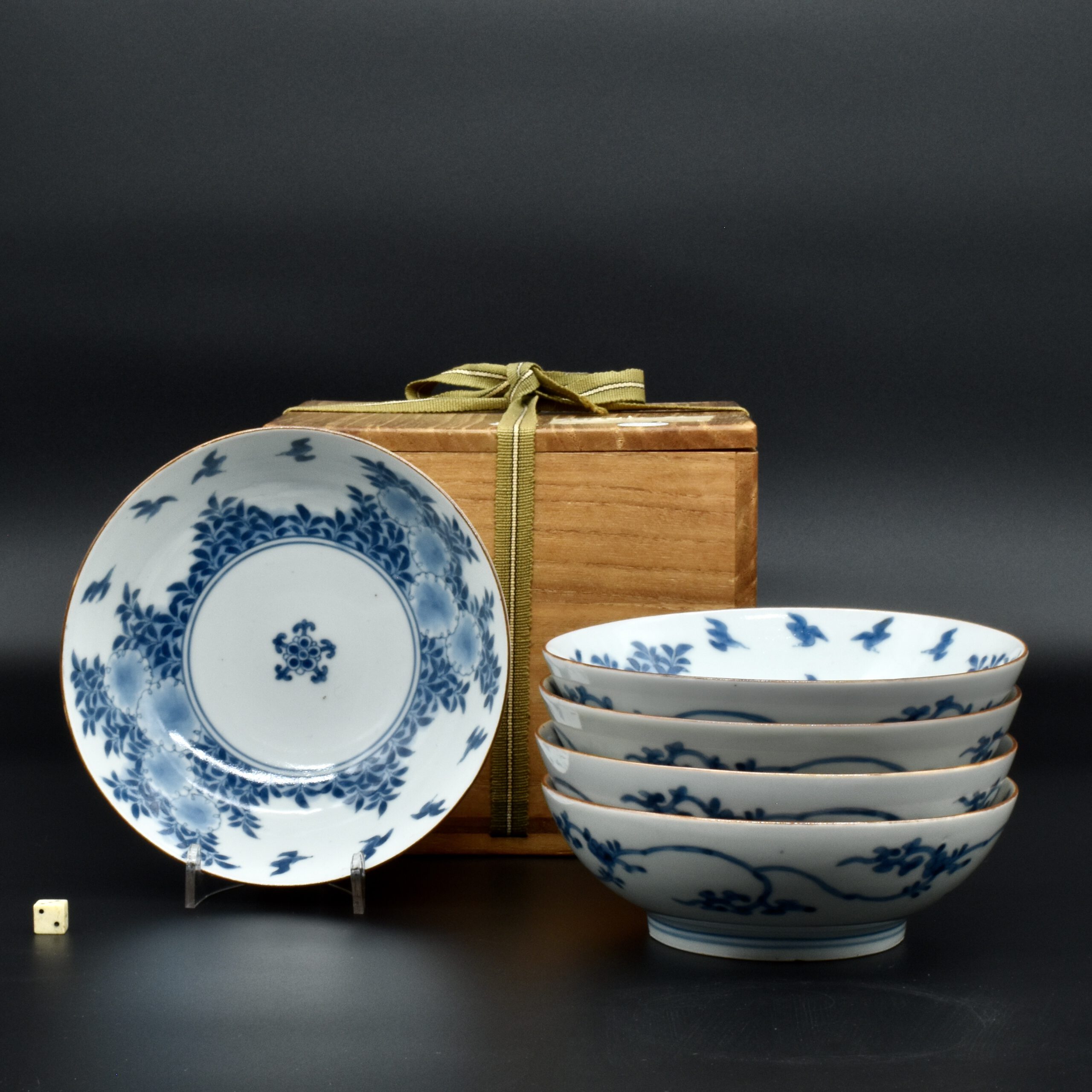
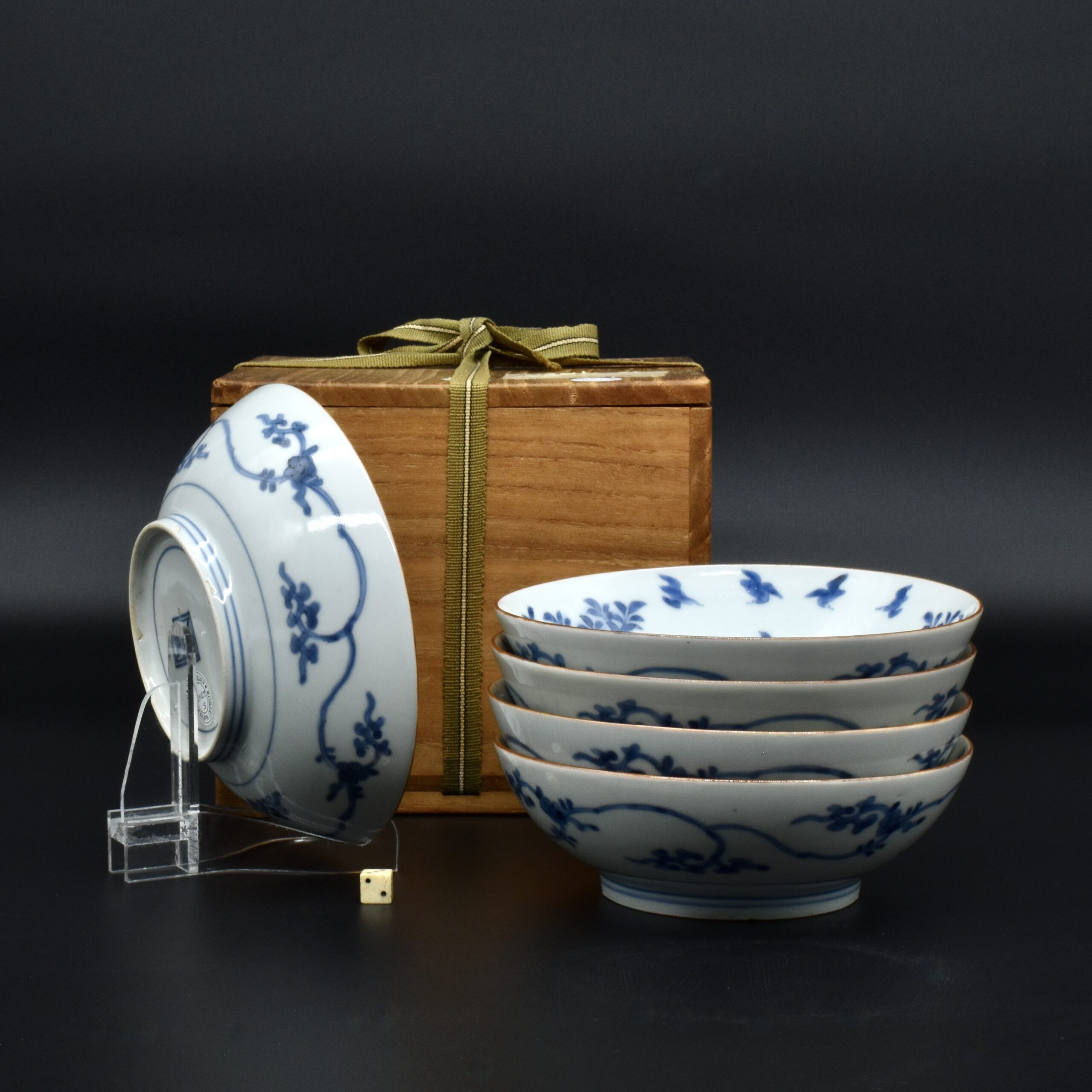
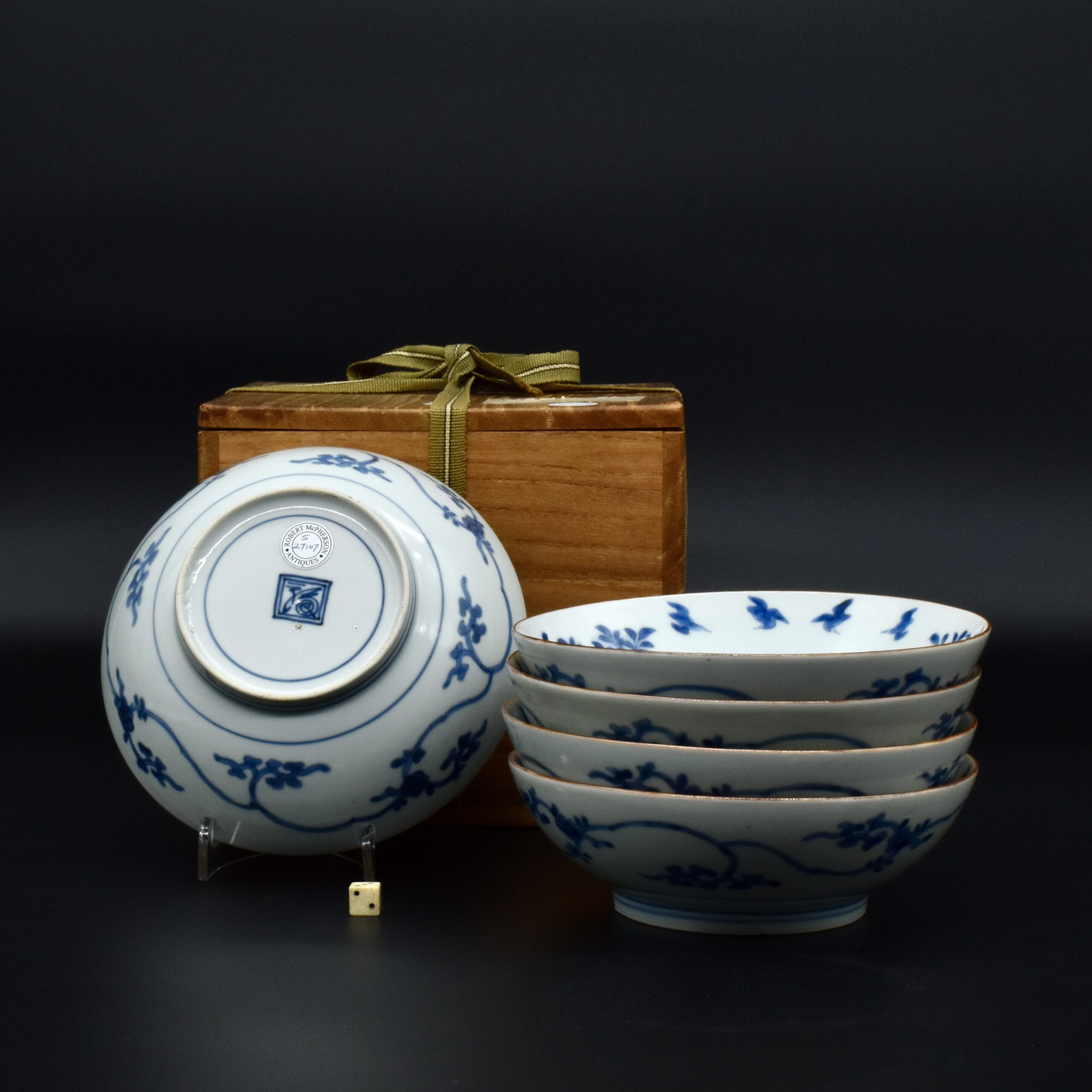
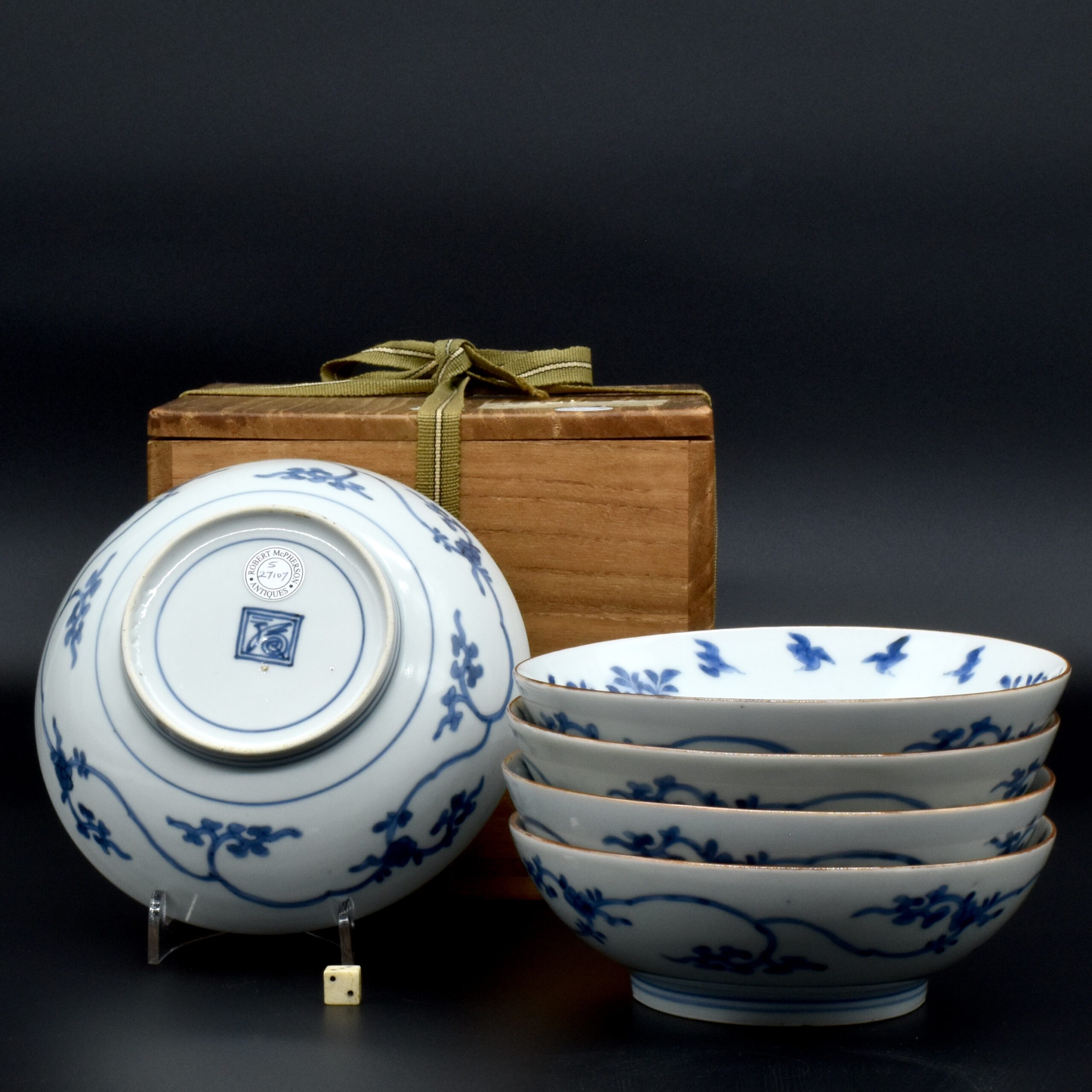
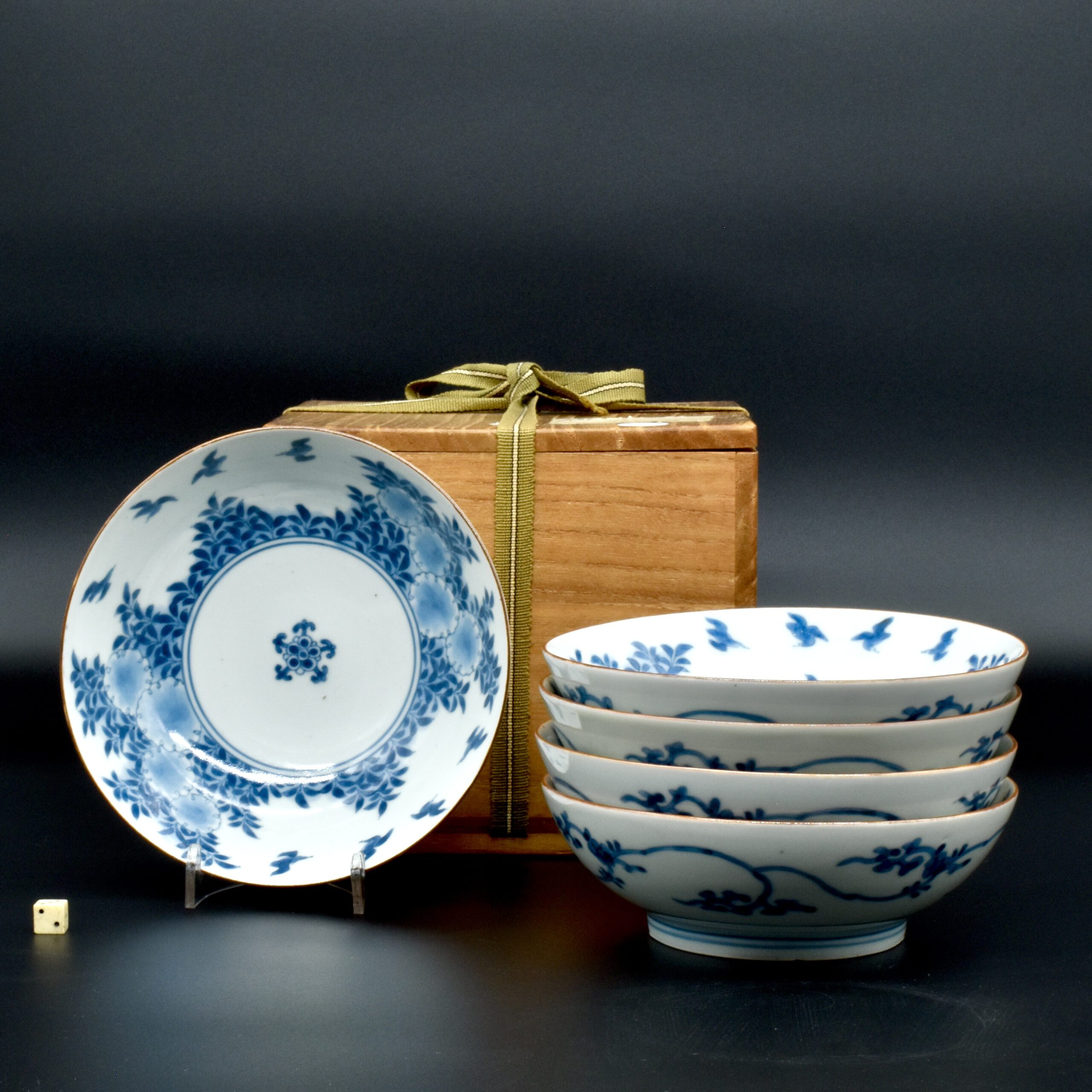
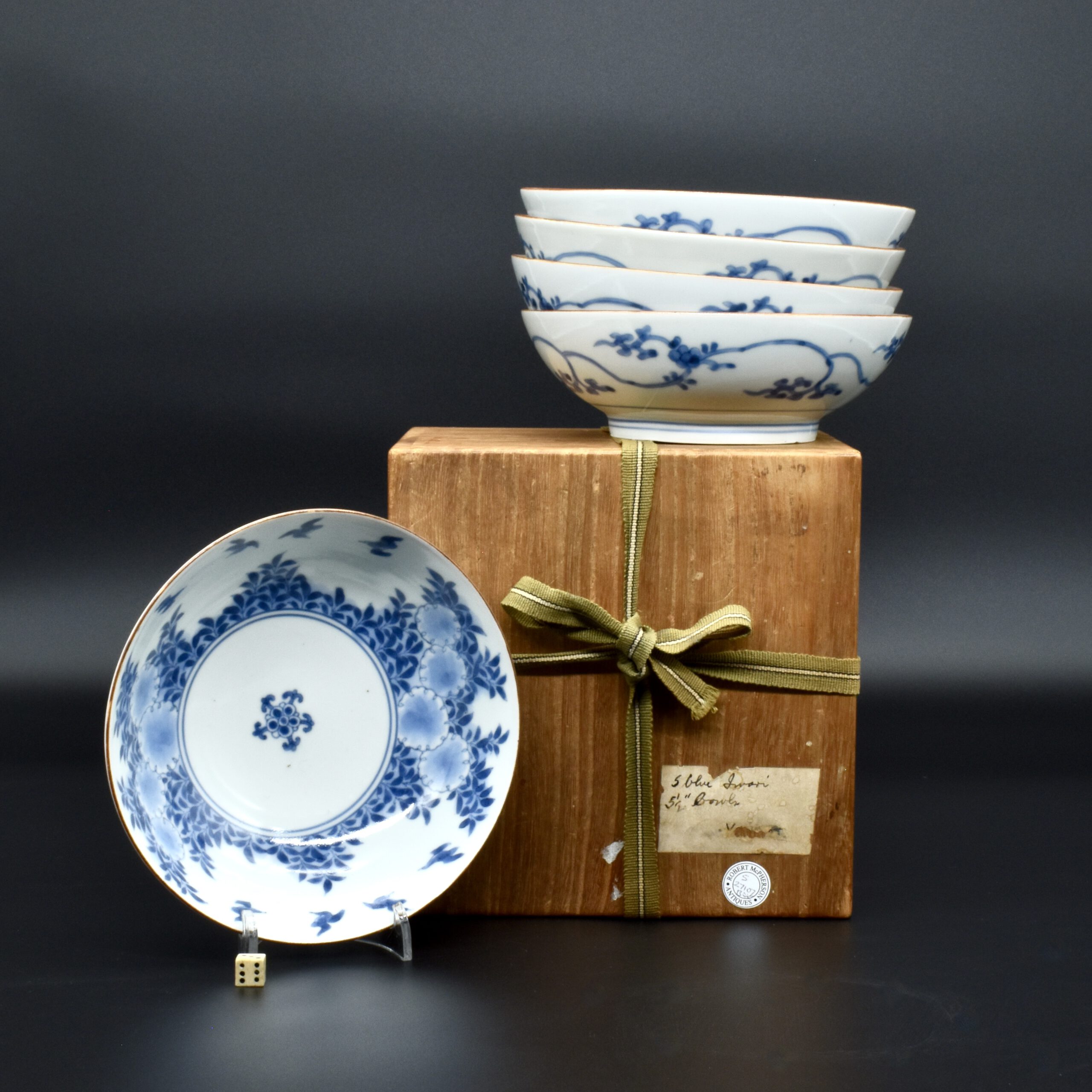
A Set of Five 17th Century Kakiemon, or Perhaps Arita Porcelain Bowls. This set of blue and white bowls is stored in a Tomobako (storage box) and comes from a private collection, there is an old paper label inscribed in English, from the early to mid 20th century. Its interesting and unusual to have an English inscription from this period on a Tomobako box. This set of Kakiemon blue and white bowls from c.1680-1700 may well have been made at the Kakiemon kilns. The band of decoration to the cavetto consists of two groups of differently sized Yukiwa, or snow-wheels, among dense vegetation. In the clear sky between groups of plovers fly in different directions. Chidori (plovers) symbolise strength, perseverance, and good fortune. The base has a FuKu mark in running script. The flat rim is dressed with an iron-oxide enamel, called 口紅 Fuchibeni in Japanese, meaning lipstick. It was used to frame ceramic designs but it also adds some strength to the fragile rim, as well as showing that the rim was not chipped. The word Fuchibeni, comes from kuchi meaning mouth and beni meaning red/safflower red.
Yukiwa (雪輪) The traditional Japanese snow-wheel motif, known as Yukiwa, is a stylized representation of a snowflake or snow crystal, typically designed as a six or more petaled circle. It is a classic kikagaku moyo (geometric pattern) that has been used in Japanese for many centuries and occurs regularly in Japanese porcelain, not just as a painted design, but also as the shape of an object, for example a saucer or bowl edge. It is depicted with softly indented edges, and like so much in the language of Japanese art, it is a symbol and or metaphor. It signify winter, purity, and the appreciation of nature. The Yukiwa is shown as unnaturally large, often larger than the other things depicted on a porcelain design, yet a snowflake is in reality really tiny.
See Below For More Photographs and Information.
SOLD
- Condition
- One bowl with a small old repair to the outer rim, it appears to be around 4 x 4mm. Its over painted.
- Size
- Diameter c.14 cm (5 1/2 inches).
- Provenance
- From the collection of David Loew (1922-1988). This set of blue and white bowls is stored in a Tomobako (storage box) and comes from a private collection, there is an old paper label inscribed in English, from the early to mid 20th century. Its interesting and unusual to have an English inscription from this period. The inscription states "5 blue Imari 51/2 inches" below V or Y has been written, the rest has been removed. From a North Carolina Family, America.
- Stock number
- 27107
Photos
Information
Tomobako Storage Boxes :
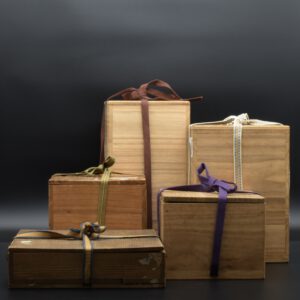
Traditional Japanese ceramic storage boxes, referred to as Tomobako are highly valued and much used in Japan. Most boxes are made from paulownia wood, it is lightweight hardwood and it’s also fire resistant, which is very useful in because Japanese buildings tend to be made of timber and have paper dividers inside. The Islands of Japan are located on a highly complex, unstable, and active geological junction where four major tectonic plates collide and subduct. These islands are essentially built upon the boundaries of these plates, with the archipelago forming as a result of the subduction and volcanic activity caused by these tectonic movements. Therefore the use of tradition tomobako is essential for the survival of ceramics in Japan. Japanese museums don’t have this luxury, so they secure the ceramic objects with nylon, which looks very much like fishing line. The paulownia is a fast growing tree, so it isn’t too expensive. It is believed that the phoenix, symbolising wisdom and prosperity, will only land on a paulownia tree when a worthy ruler is in power.
Tomobako containers that protect, store, and often certify the authenticity of the pottery inside. They are typically signed by the owner of the antique ceramic item in the box. They are tied with cord in a specific way, this is regarded as part of the ritual ceremony among a gathering of friends in Japan. Of course not everything in these boxes is what it might seem. Some contain surprising objects, so you will have to wait and see what we have in these boxes.
Fuchibeni : Glazed rims on Japanese Porcelain.