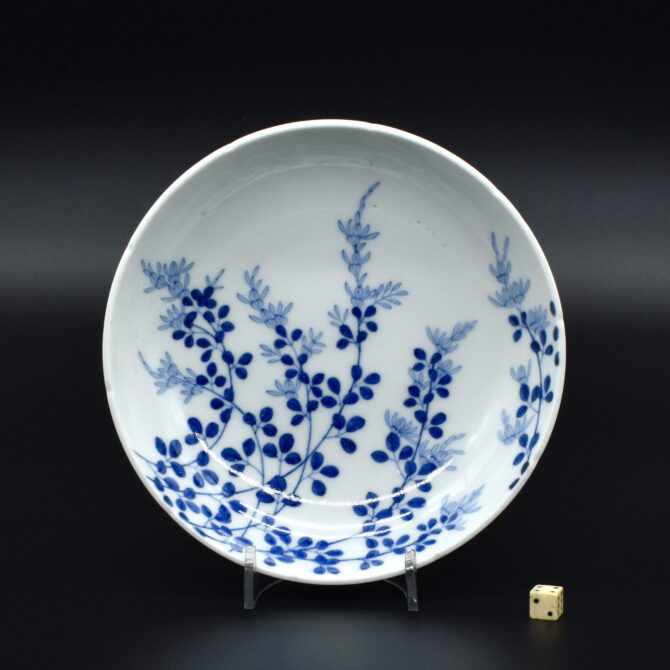
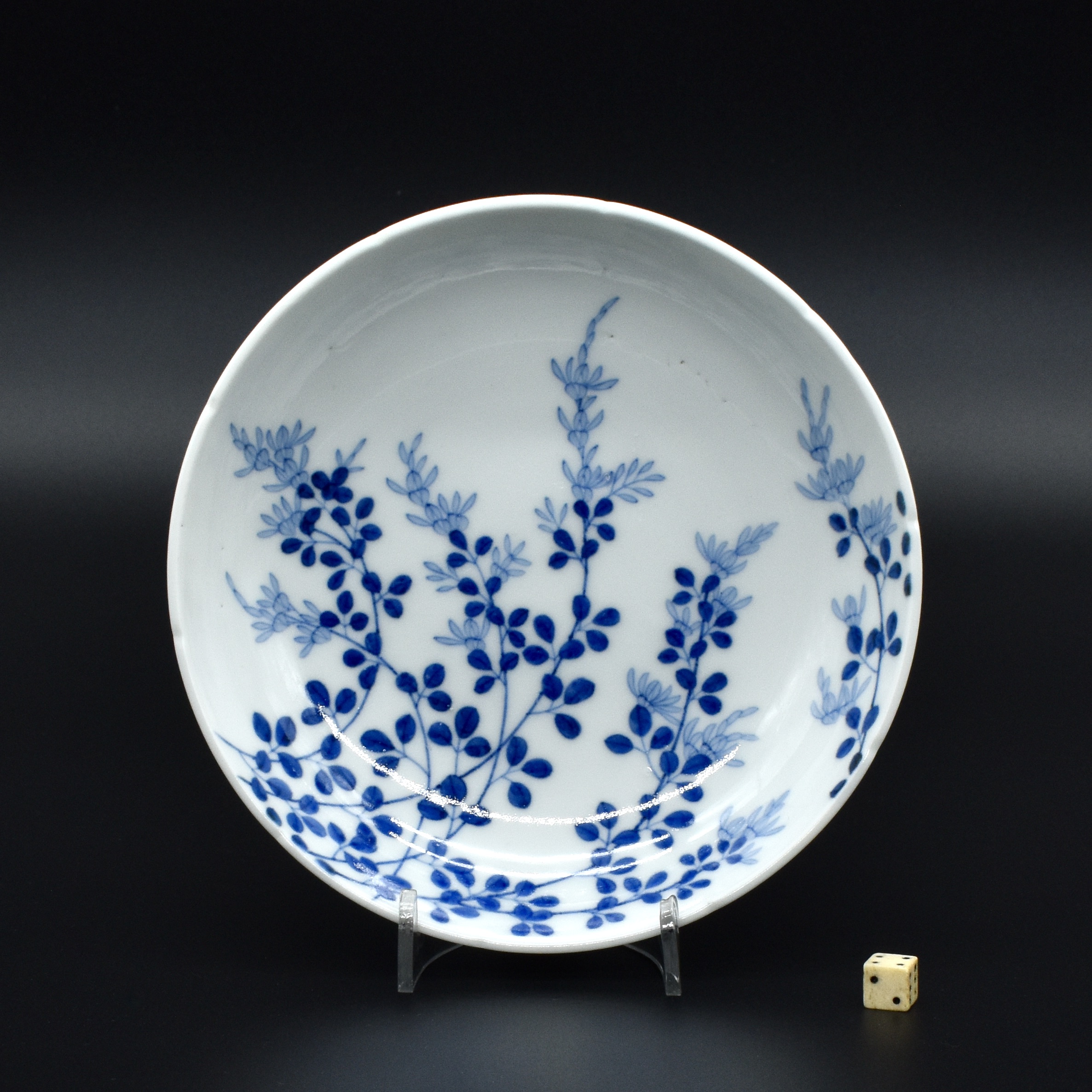
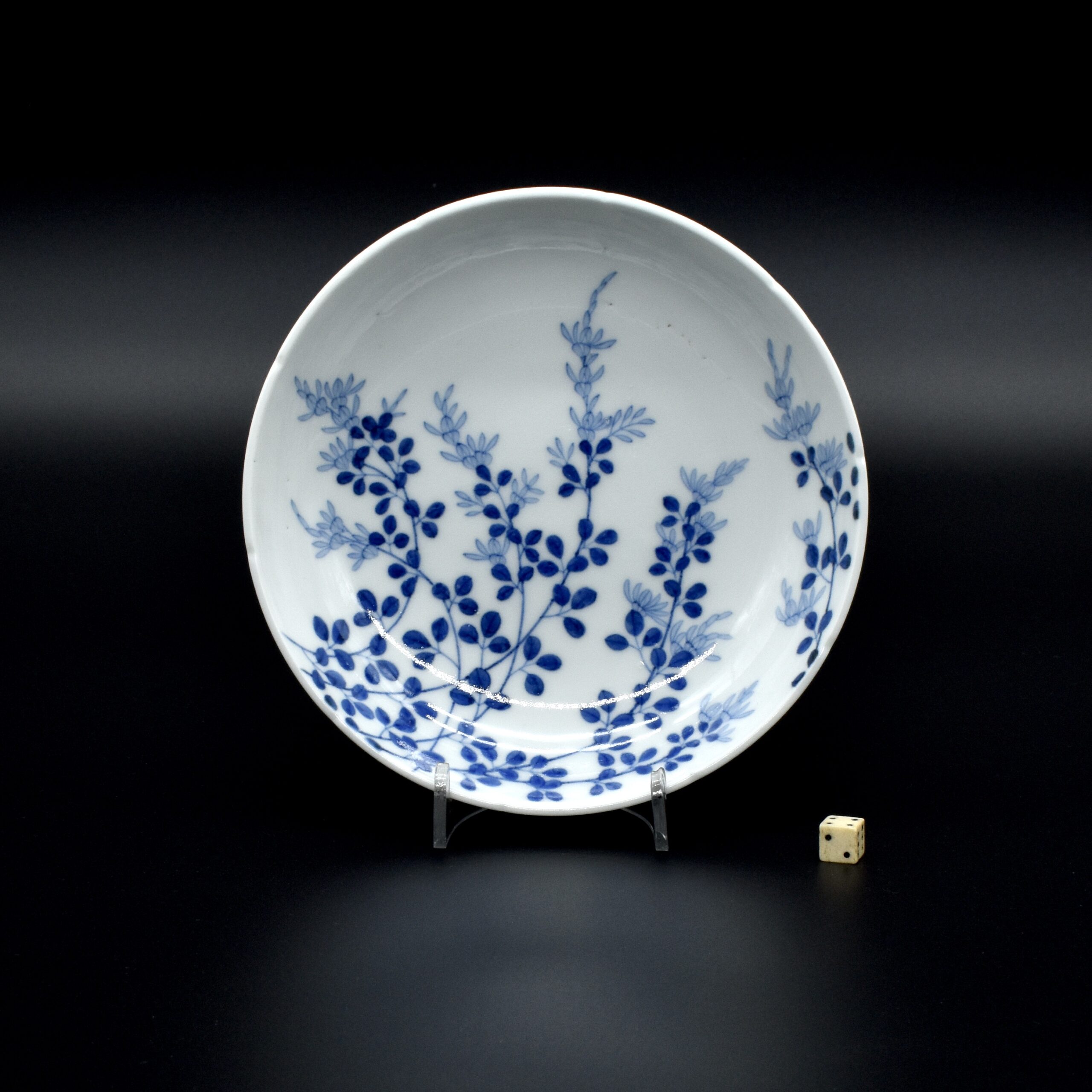
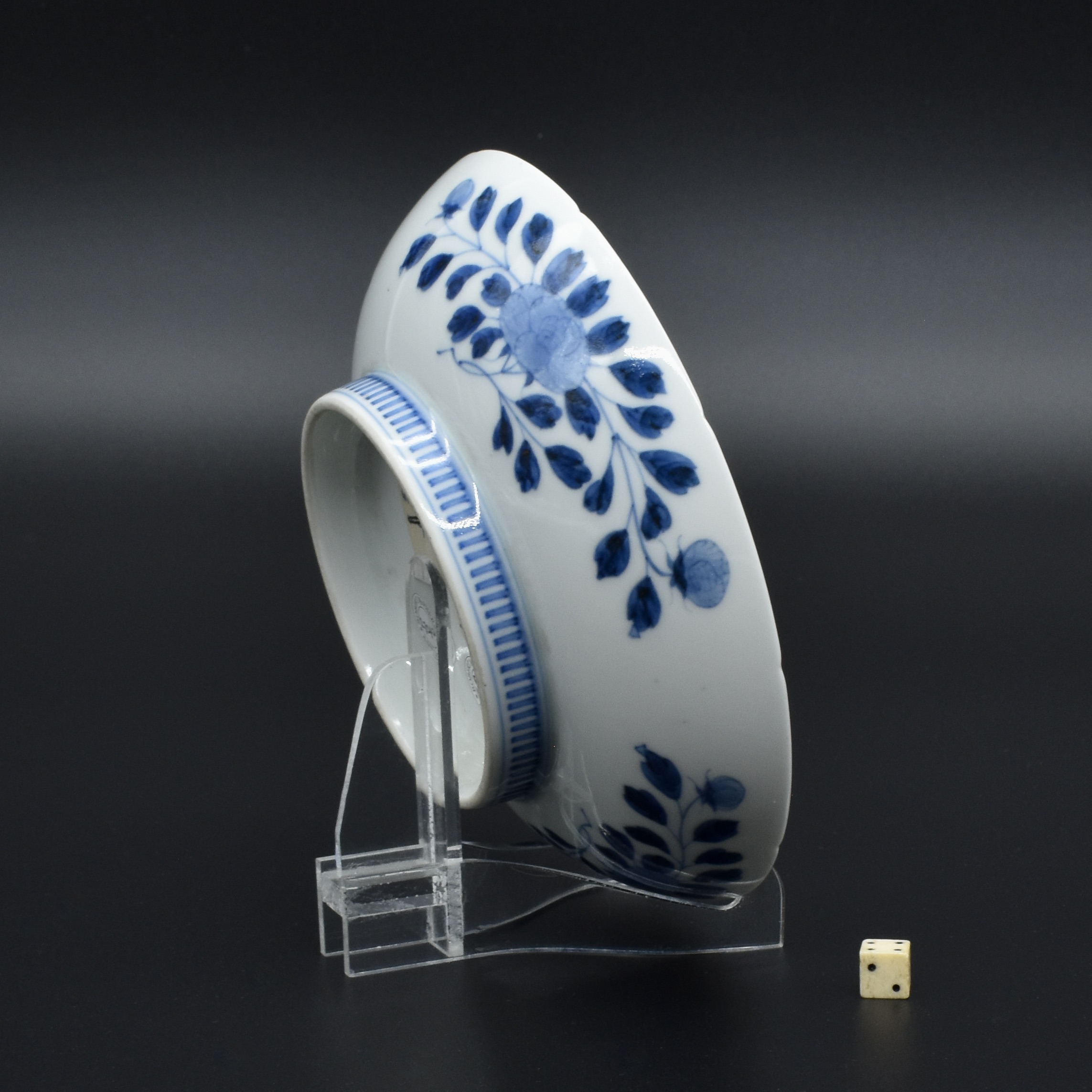
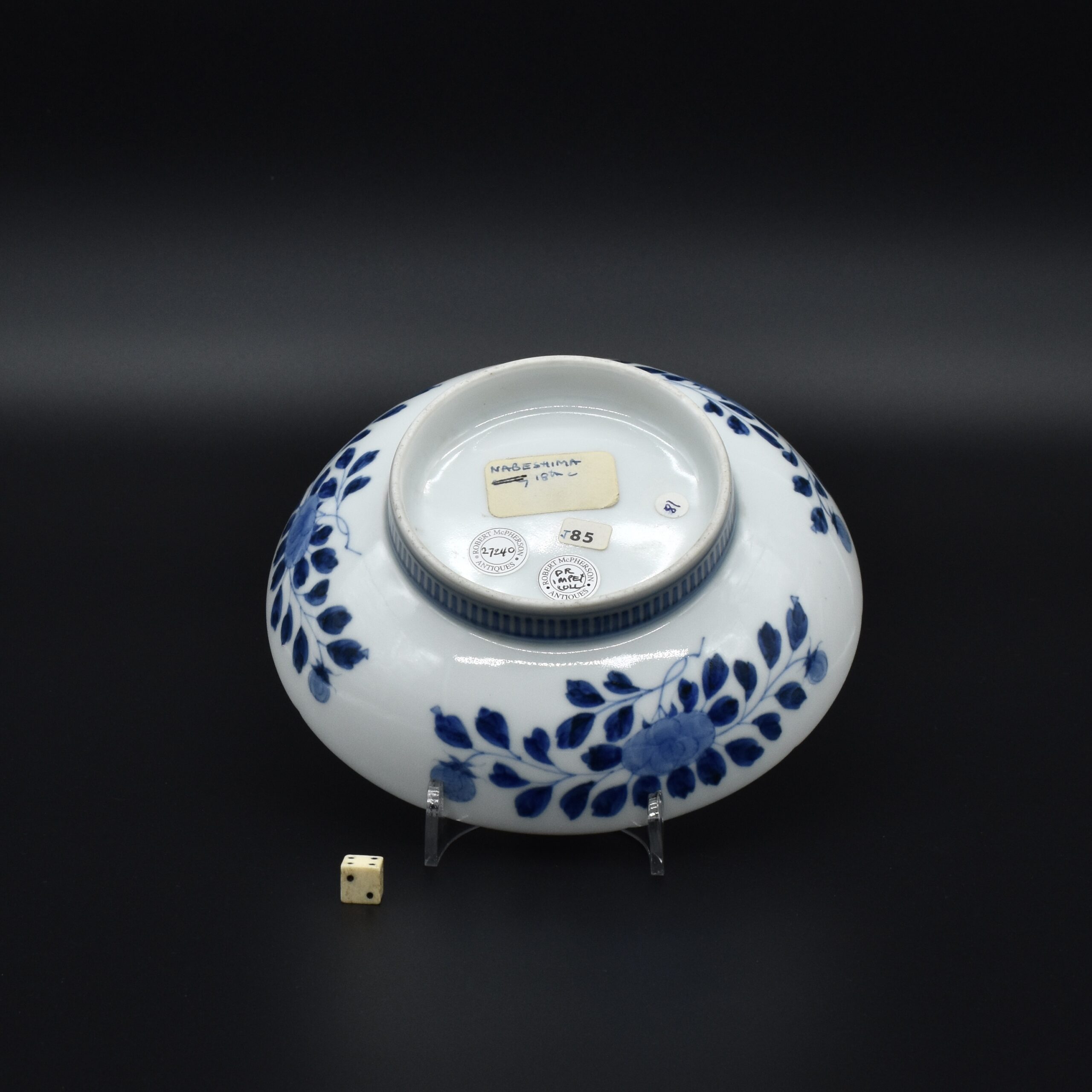
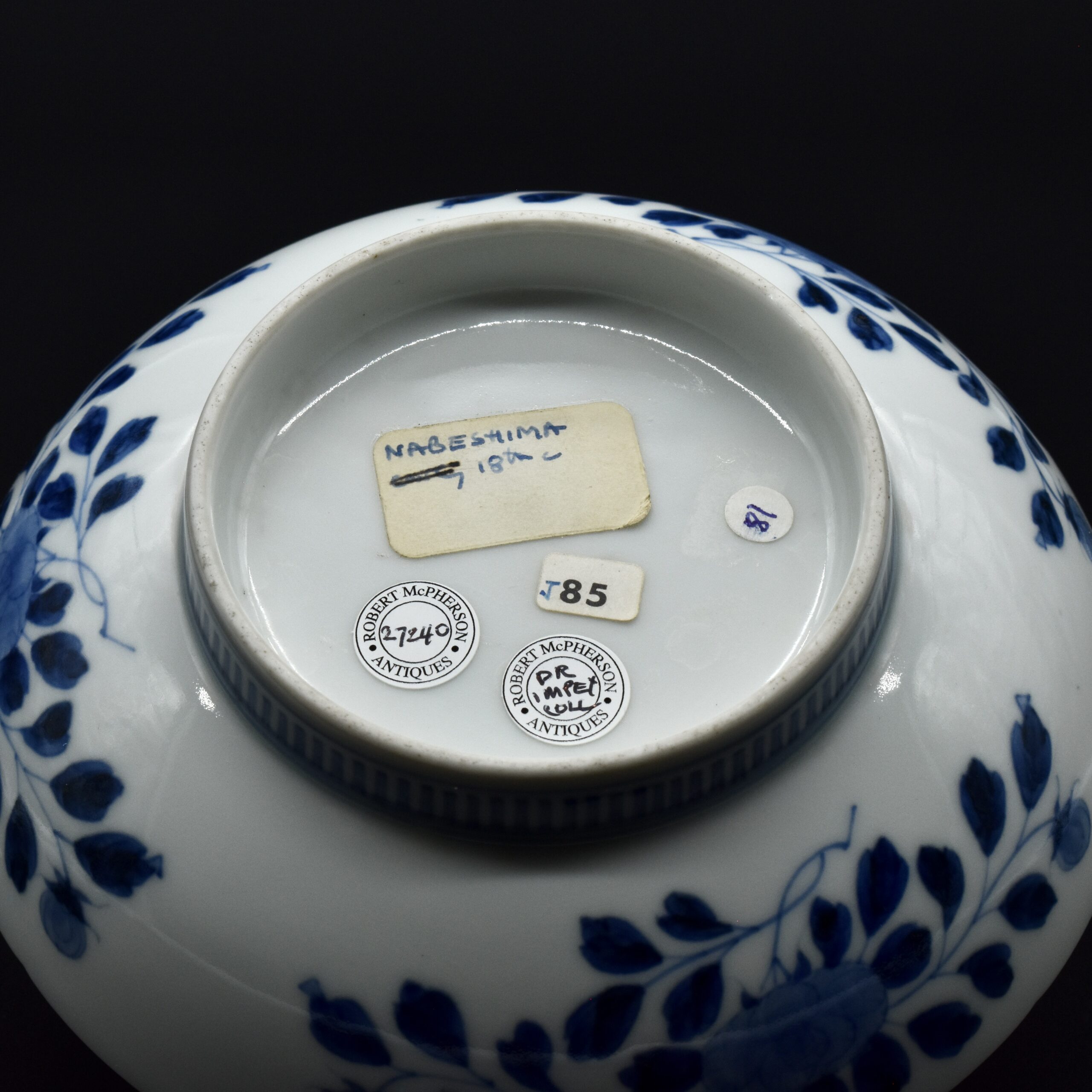

An 18th Century Nabeshima Porcelain Dish from the Collection of Dr. Oliver Impey.

Late 18th Century.

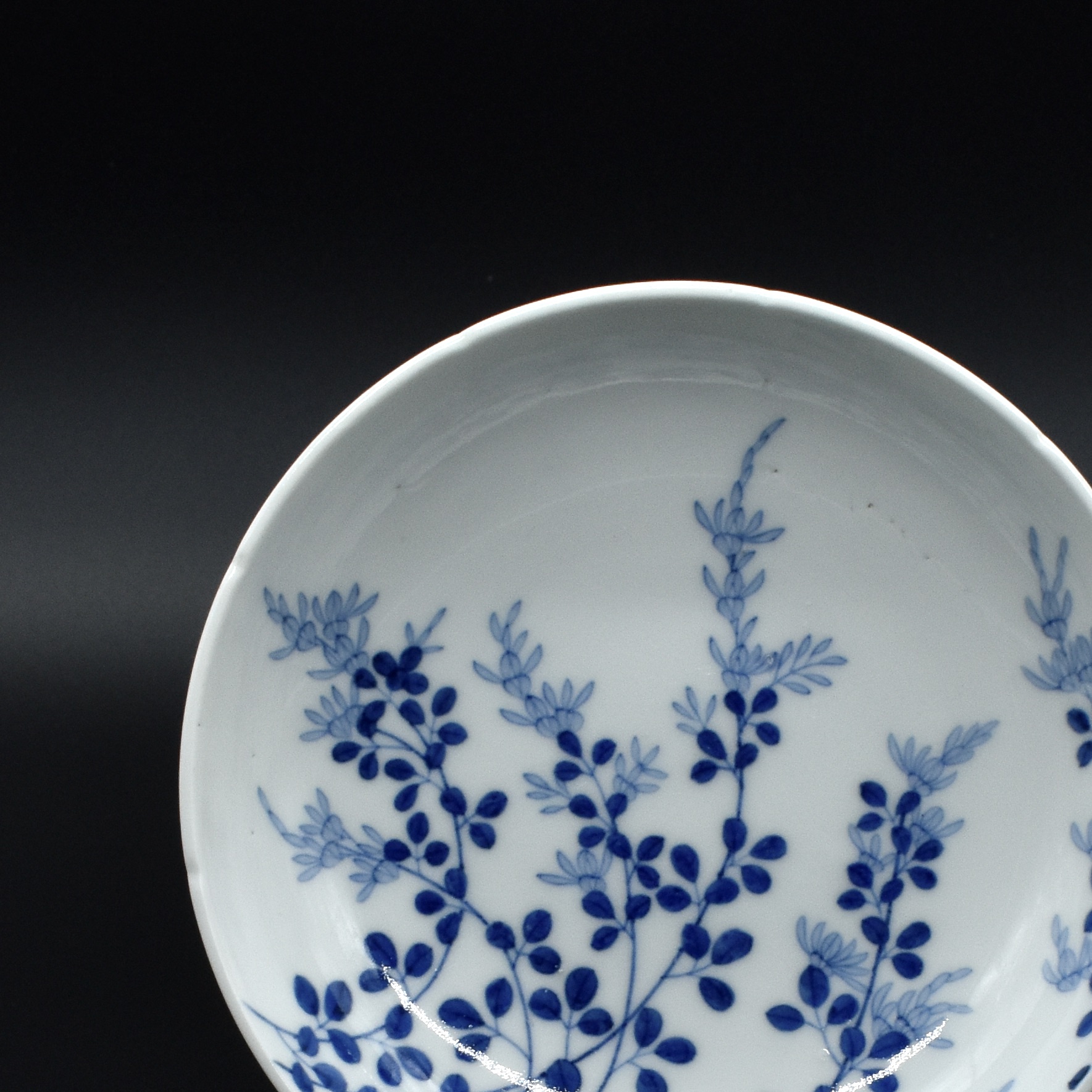
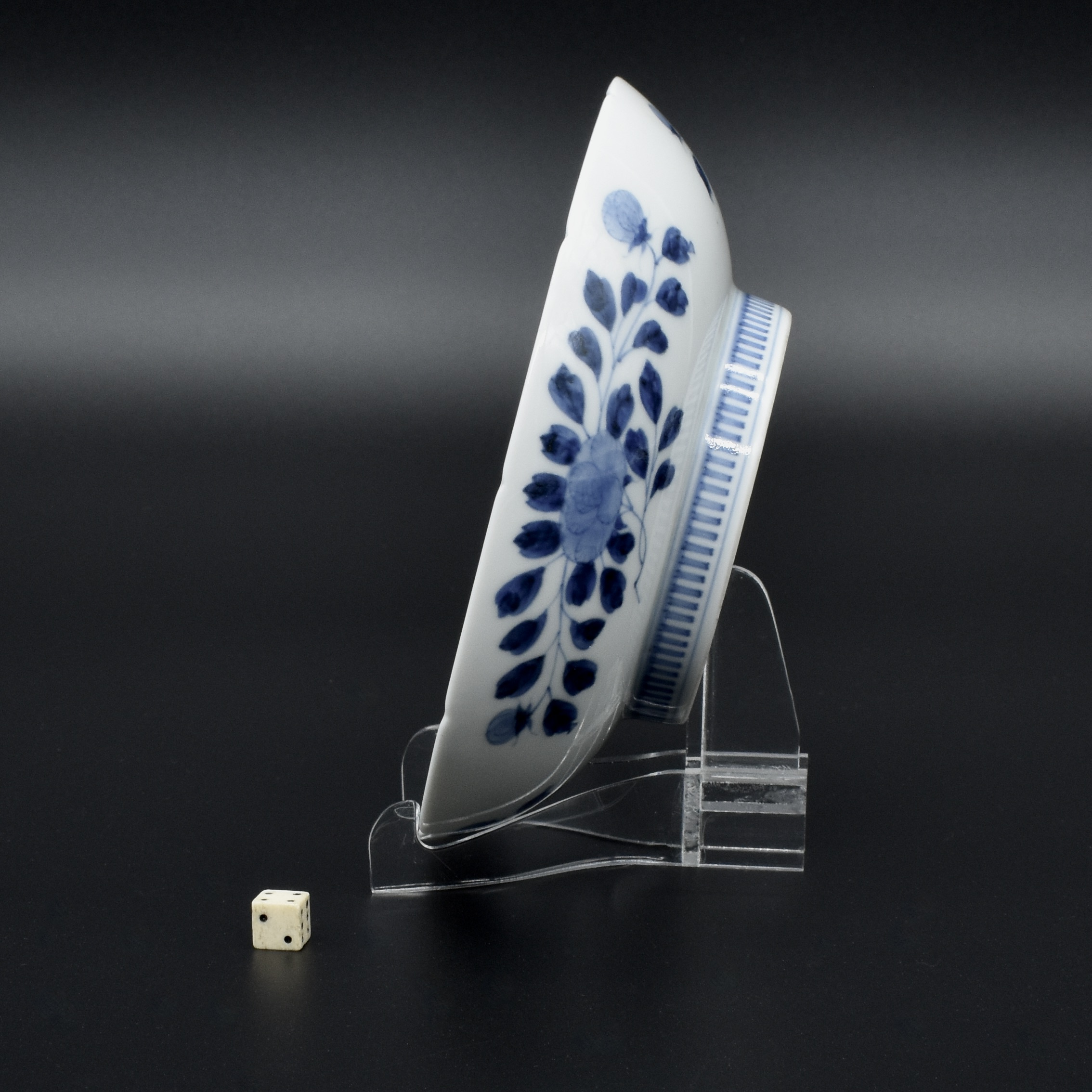
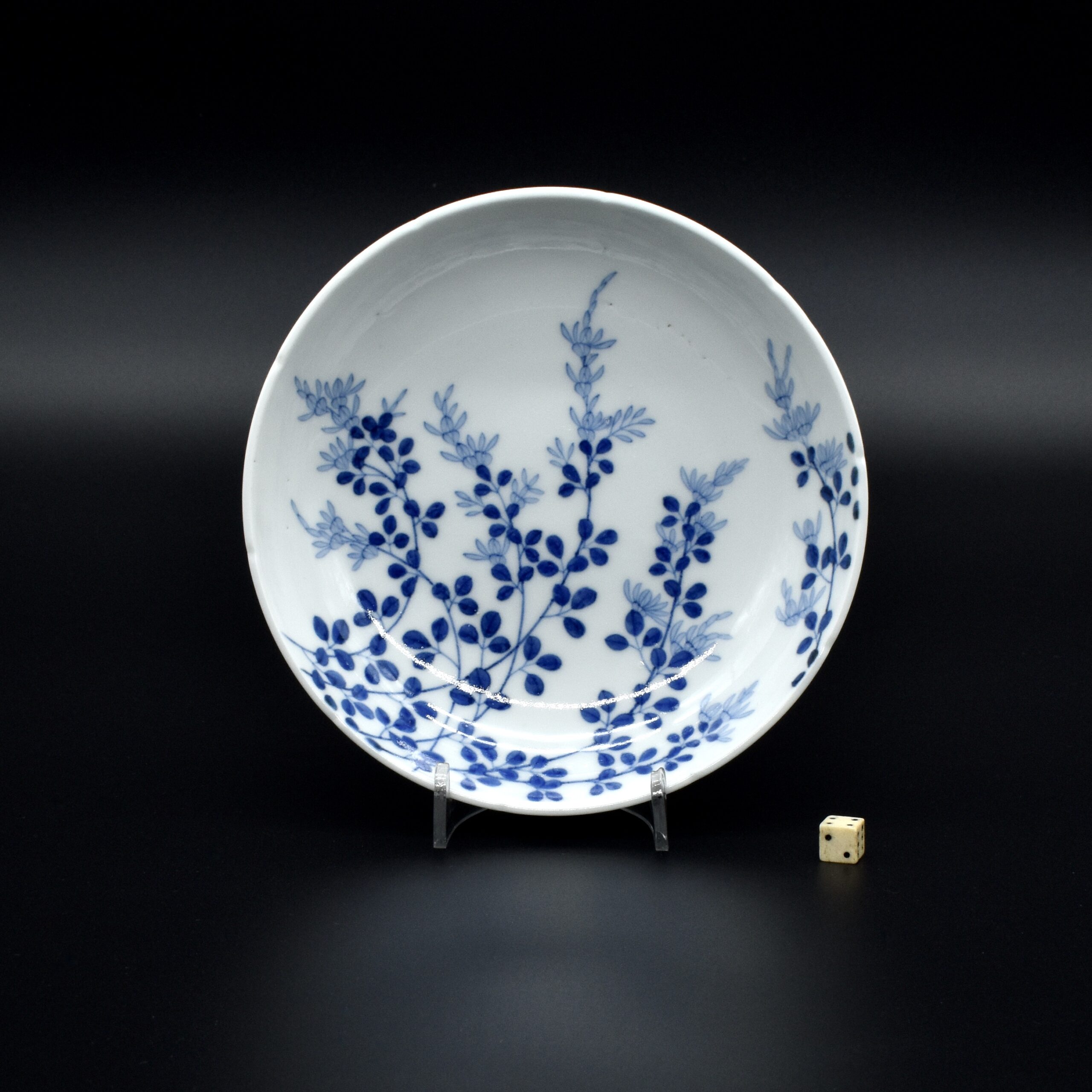
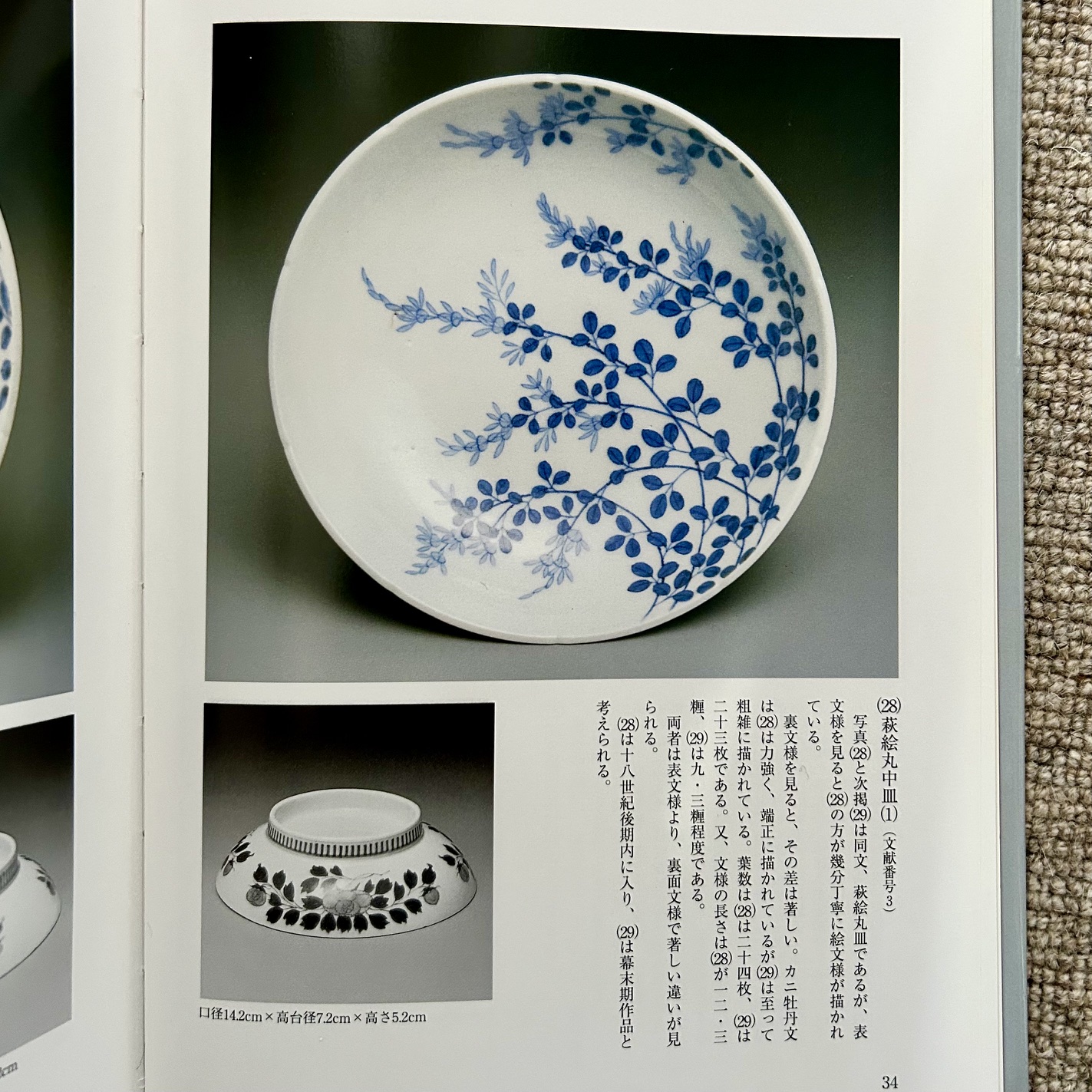
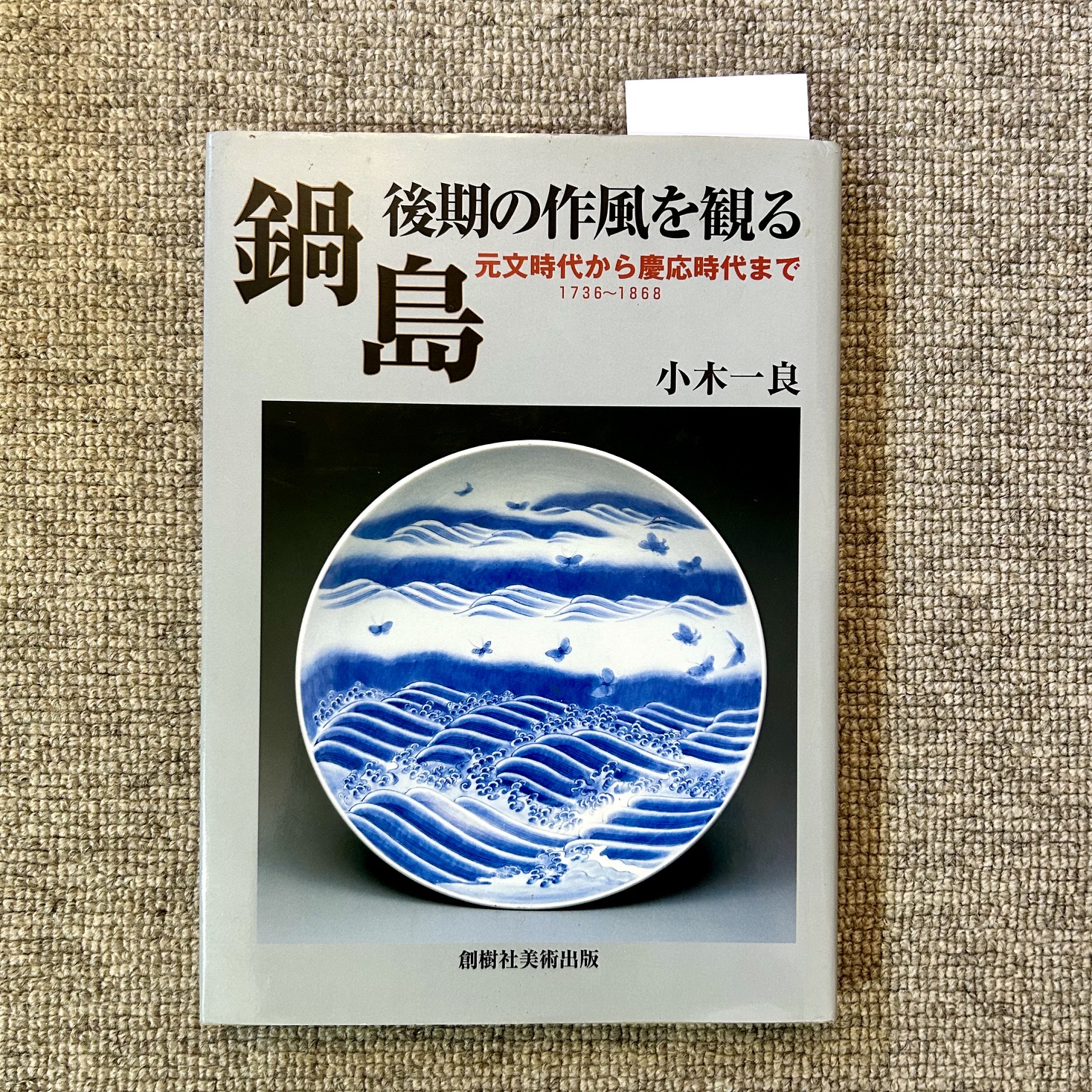
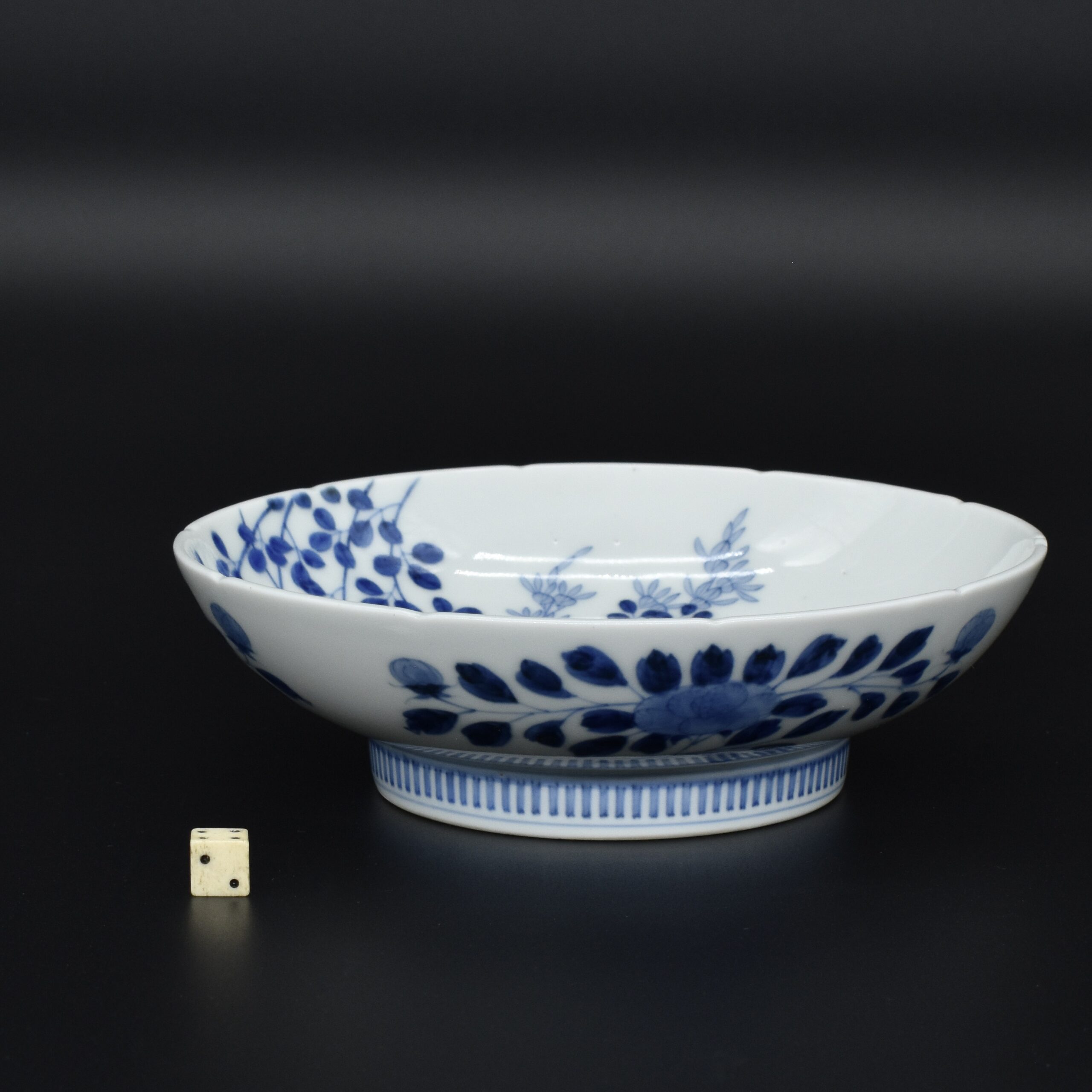
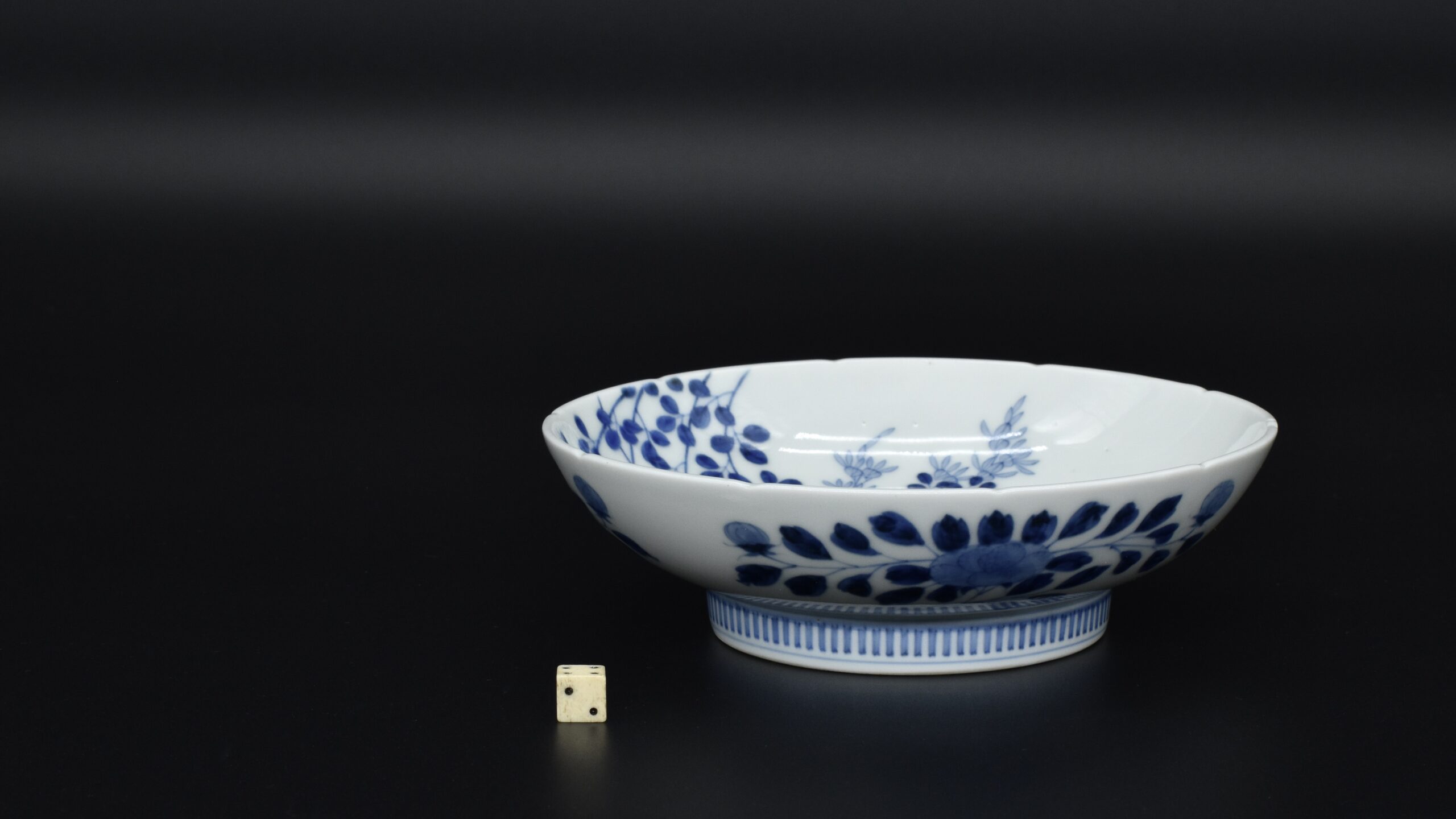
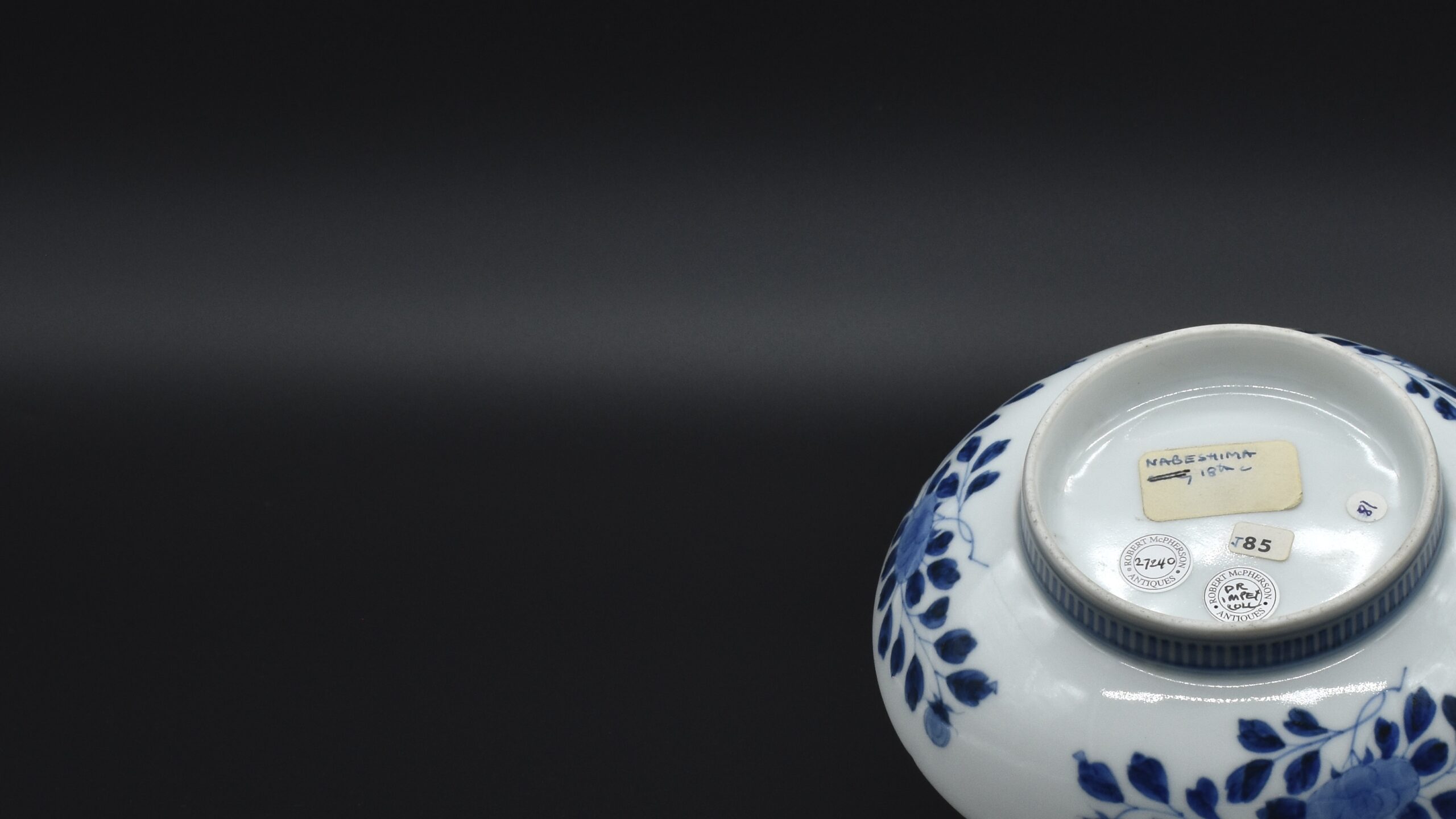
An 18th Century Nabeshima Porcelain Dish from the Collection of Dr Oliver Impey (1936-2005), and Dr Jane (Mellanby) Impey (1938-2021). Made at the Ōkawachi Kilns, Saga Prefecture, Island of Kyushu, Japan. This 18th century Nabeshima porcelain dish has a label to the base written in blue by Oliver Impey “NABESHIMA early 18th c”. The word ‘early’ has been emphatically cancelled out with two dark black lines, presumably he realised it was later based on his own research or because one of his colleagues mentioned it to him. It’s an intriguing fragment of lost thoughts and conversations. A dish of this design, which is dated to the late 18th century is illustrated Sōjūsha Bijutsu Shuppan (see references). This excellent book deals with Nabeshima porcelain from 1736 to 1868.

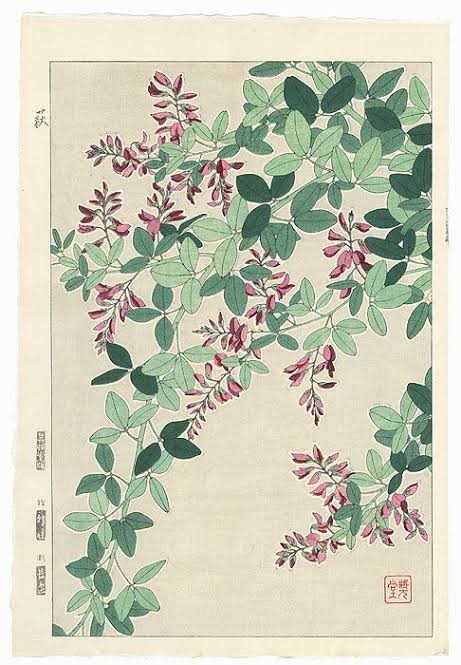
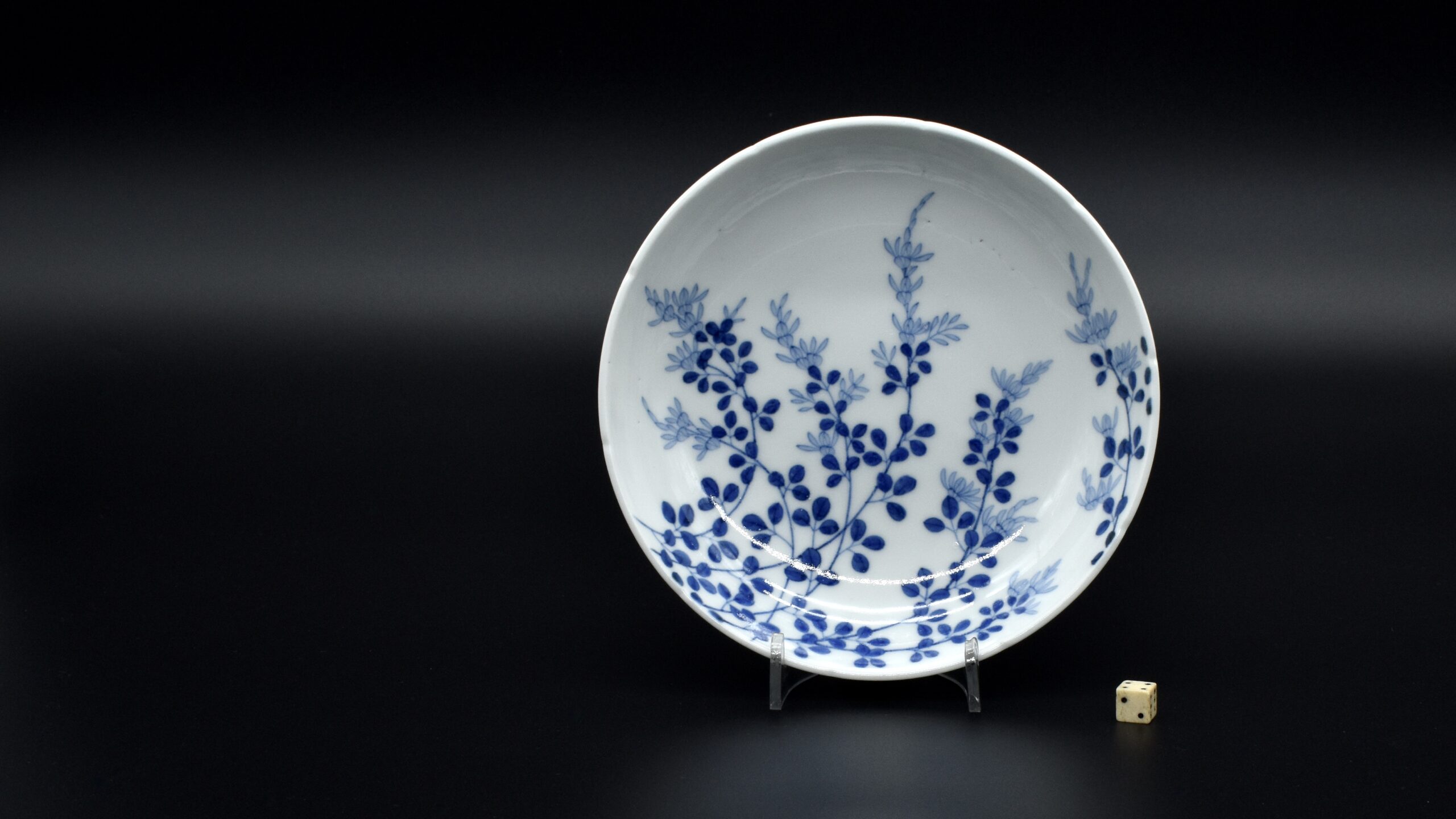
The carefully painted design is of hagi (kanji as 萩), bush clover (Kummerowia striata). It is one of the traditional ‘Seven Flowers of Autumn’ (aki no nanakusa) in Japan and appears in Japanese art and poetry. To the right hand side, a single stem of the bush clover only partially appears creating the asymmetrical design so beloved by the Japanese. This notched dish is decorated to the back with three stylised peony stems in flower. As is typical with Nabeshima porcelain the deep foot is decorated with a tooth-like design, similar to the dentil design in Classical Western architecture.


See Below for More Photographs and Information.


SALE PENDING

Condition
No damage, some very small inconspicuous burst bubbles to the front.
Size
Diameter 14.7 cm (5.8 inches). Depth 4.3 cm (1.7 inches).
Provenance
Provenance: from the collection of Dr Oliver Impey (1936-2005), and Dr Jane (Mellanby) Impey (1938-2021), of Cumnor Place, Oxford.
Stock number
27240
References
A dish of this design, which is dated to the late 18th century is illustrated (Sōjūsha Bijutsu Shuppan) Nabeshima : Examining the Later Styles From Genbun to the Keiō Era, 1736 - 1868 (by Ogi Ichirō, published in November 2002).

Photos

Information


A Nabeshima dish of this design, which is dated to the late 18th century.

Is illustrated in (Sōjūsha Bijutsu Shuppan)

Nabeshima : Examining the Later Styles From Genbun to the Keiō Era, 1736 - 1868.

(by Ogi Ichirō, published in November 2002).

A dish of this design, which is dated to the late 18th century is illustrated (Sōjūsha Bijutsu Shuppan) Nabeshima : Examining the Later Styles From Genbun to the Keiō Era, 1736 - 1868 (by Ogi Ichirō, published in November 2002).


A dish of this design, which is dated to the late 18th century is illustrated (Sōjūsha Bijutsu Shuppan) Nabeshima : Examining the Later Styles From Genbun to the Keiō Era, 1736 - 1868 (by Ogi Ichirō, published in November 2002).


From the Collection of Dr.Oliver Impey

Robert McPherson Antiques Sold Archive Number 25155.

A Blue and White Kakiemon Porcelain Beaker, Japanese, Genroku Period 1688 – 1704, from the Kakiemon kilns.

From Welbeck Abbey, the Collection of Margaret Cavendish Bentinck, Duchess of Portland (11 February 1715 – 17 July 1785).

R and G McPherson Antiques. The John Drew Collection of Chinese and Japanese Ceramics.

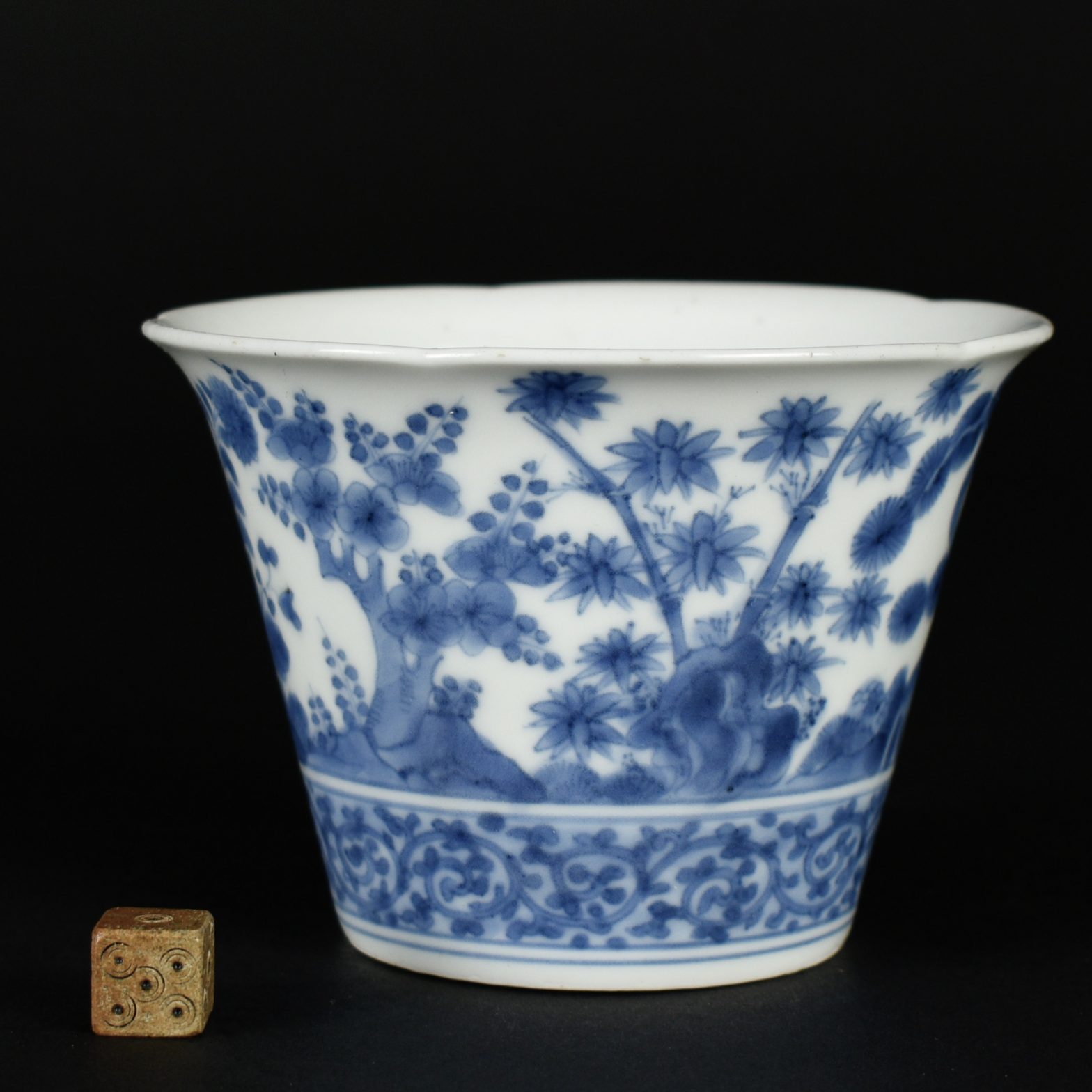
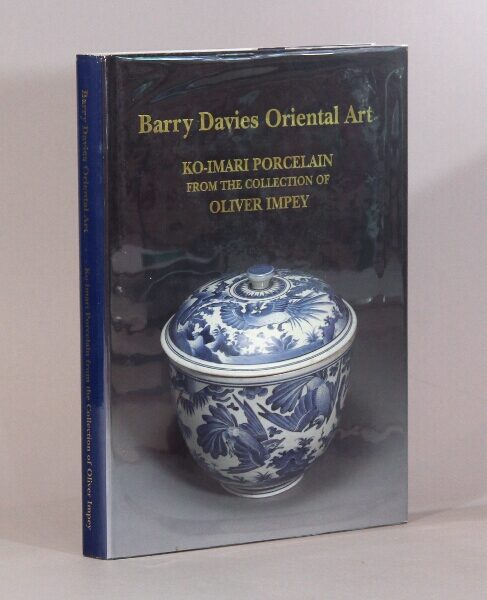
A Blue and White Kakiemon Porcelain Beaker, Japanese, Genroku Period 1688 – 1704, from the Kakiemon kilns. From Welbeck Abbey, the Collection of Margaret Cavendish Bentinck, Duchess of Portland (11 February 1715 – 17 July 1785). The flower shaped form beaker is painted with shôchikubai , The Three friends of Winter, ; pine, prunus and bamboo. There are also flowering chrysanthemum as well as peony growing among a rocky ground. The lower band is of Karakusa. There is a spurious Ming mark to the base, Jiajing 1522-1566. For more information about Margaret Cavendish Bentinck, Duchess of Portland see the information below the photo gallery.SOLD Condition In perfect condition. Size Diameter 10.7 cm to 10.5 cm (4 1/8 inches). Height 7.8 cm (3 inches) Provenance From Welbeck Abbey, this beaker was part of the collection of Margaret Cavendish Bentinck, Duchess of Portland (11 February 1715 – 17 July 1785). The collection of Oliver Impey (1936–2005). R and G McPherson Antiques. The John Drew Collection of Chinese and Japanese Ceramics. Stock number 25155 References Published : Kakiemon, Porcelain from The English Country House (Mark Hinton and Oliver Impey, Exhibition Held at the Ashmolean Museum, Oxford 5th December 1989 - 14th January 1990.) page 62, plate 42, dated to circa 1700. Published : Ko-Imari Porcelain From The Collection of Oliver Impey (Barry Davies Oriental Art Ltd, 1 Davies Street. Exhibition 17th to 27th of June 1997) pages 104-105, plate 53.
A Blue and White Kakiemon Porcelain Beaker, Japanese, Genroku Period 1688 – 1704, from the Kakiemon kilns. From Welbeck Abbey, the Collection of Margaret Cavendish Bentinck, Duchess of Portland (11 February 1715 – 17 July 1785). The flower shaped form beaker is painted with shôchikubai , The Three friends of Winter, ; pine, prunus and bamboo. There are also flowering chrysanthemum as well as peony growing among a rocky ground. The lower band is of Karakusa. There is a spurious Ming mark to the base, Jiajing 1522-1566. For more information about Margaret Cavendish Bentinck, Duchess of Portland see the information below the photo gallery. SOLD Condition In perfect condition. Size Diameter 10.7 cm to 10.5 cm (4 1/8 inches). Height 7.8 cm (3 inches) Provenance From Welbeck Abbey, this beaker was part of the collection of Margaret Cavendish Bentinck, Duchess of Portland (11 February 1715 – 17 July 1785). The collection of Oliver Impey (1936–2005). R and G McPherson Antiques. The John Drew Collection of Chinese and Japanese Ceramics. Stock number 25155 References Published : Kakiemon, Porcelain from The English Country House (Mark Hinton and Oliver Impey, Exhibition Held at the Ashmolean Museum, Oxford 5th December 1989 - 14th January 1990.) page 62, plate 42, dated to circa 1700. Published : Ko-Imari Porcelain From The Collection of Oliver Impey (Barry Davies Oriental Art Ltd, 1 Davies Street. Exhibition 17th to 27th of June 1997) pages 104-105, plate 53.


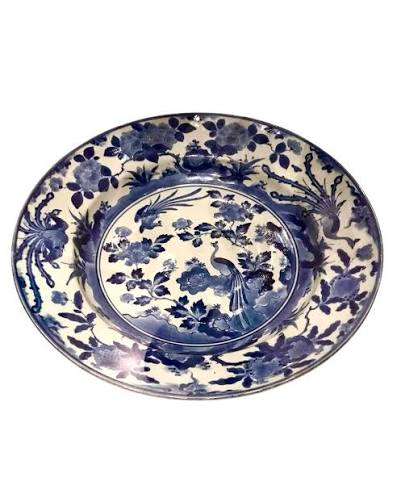
A Very Large Arita or Kakiemon dish from the Collection of Dr. Oliver Impey.

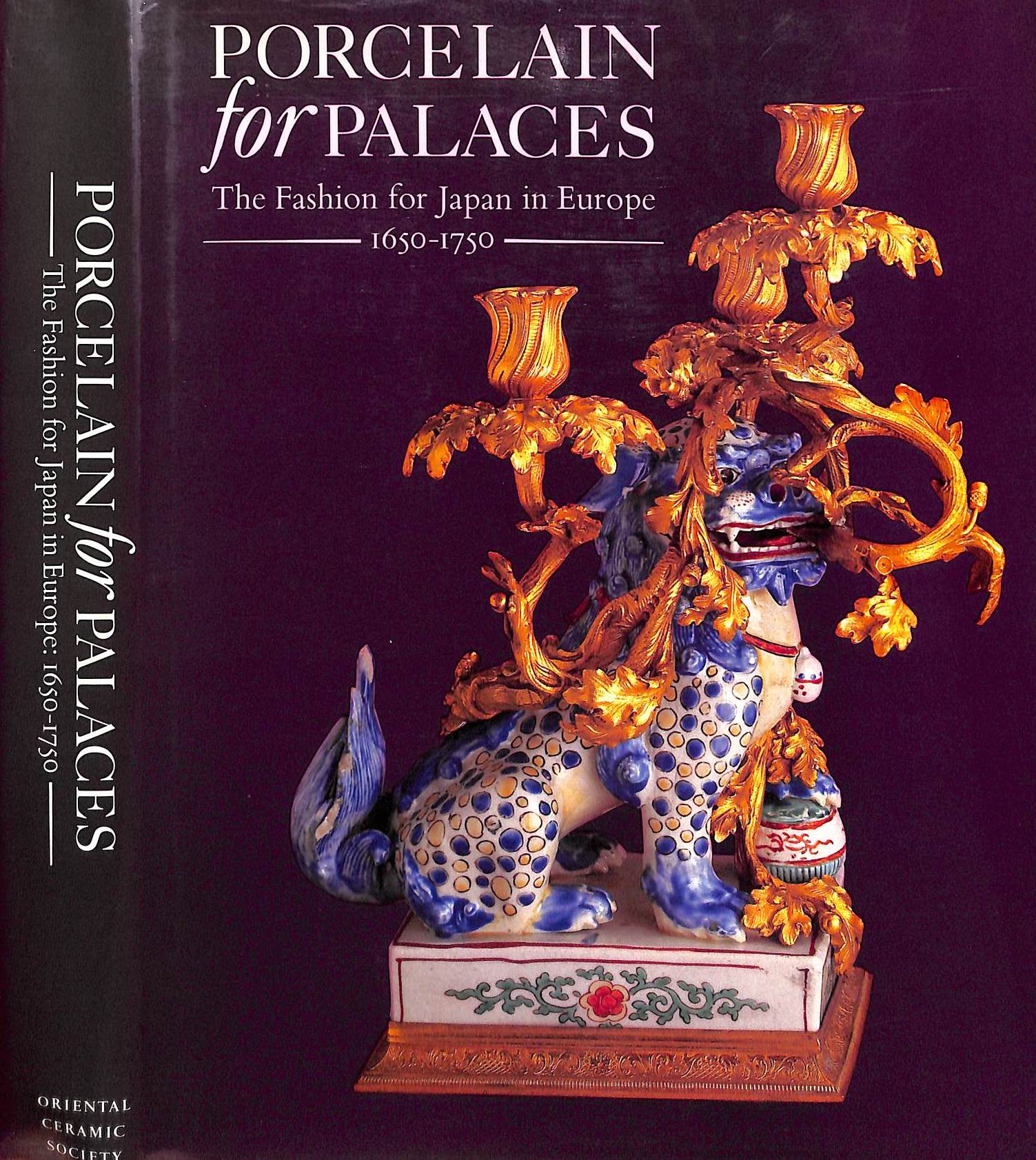
I sold this many years ago. It had been exhibited in 'Porcelain For Palaces' (see below).


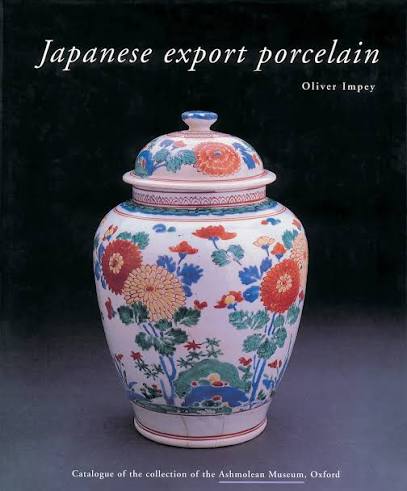
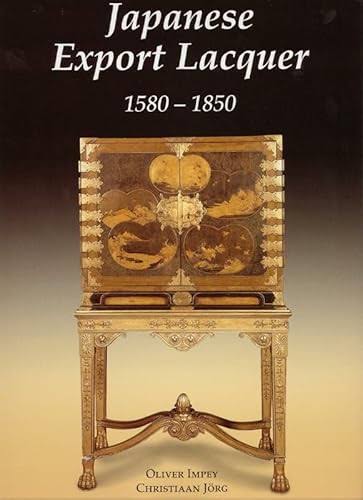
A Few of the Many Publications :  Dr Oliver Impey (1936-2005).


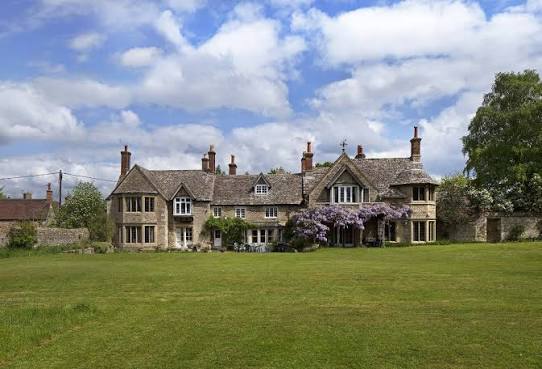
The home of Dr Oliver Impey (1936-2005), and Dr Jane (Mellanby) Impey (1938-2021), of Cumnor Place, Oxford.


Dr Oliver Impey (1936-2005).


Curator at the Ashmolean Museum and President of the Oriental Ceramics

Oliver Impey
Oliver Impey (1936–2005)

The Daily Telegraph 31st of October 2005


Oliver Impey, who has died aged 69, was a gifted, versatile and colourful curator at the Ashmolean Museum in Oxford, and a leading authority on the arts of Japan.

A lifelong collector himself, he energetically built up the Ashmolean's Japanese collection to its present international standing, and combined his love of Oriental art with an enthusiastic interest in nature, and a keen eye for aesthetic quality.

Oliver Richard Impey was born on May 28 1936 at Great Rollright, Oxfordshire. He was educated at Eton and Merton College, Oxford, where he studied Zoology. He always maintained that an Oxford graduate should be able to master any subject, a talent which he himself exemplified.

At the same time, as an Orientalist, naturalist and connoisseur, heredity perhaps favoured him. His forebears included Sir Elijah Impey, Chief Justice of Bengal in the 1770s, and his wife Mary, who were both important patrons of Indian painting and assembled a famous menagerie of native birds and beasts at their house in Calcutta.

Impey served briefly in the Coldstream Guards, but the effects of childhood polio forced him to retire. He then embarked on his doctoral thesis, on the workings of lizards' jaws.

In his final year of research he was stricken by cancer but recovered, courageously, with the support of his wife, Jane Mellanby, an Oxford neuroscientist.

The radiotherapy he received probably caused the growing weakness in his legs later in life. This he bore without complaint, never allowing it to impede his work or travel.

Impey finished writing his thesis on the daily train to London, after joining the furniture and textiles department at Sotheby's. Here his connoisseurship and remarkable breadth of knowledge began to develop fully, as well as his intimate knowledge of the art trade and his vigilant eye for a bargain.

In 1967 he was appointed Assistant Keeper for Japanese Art at the Ashmolean, and was able, as a Sotheby's colleague put it, to move "straight from the whorehouse to the nunnery".

For nearly four decades Impey was a tireless acquirer of fine objects, vastly expanding the Museum's Japanese holdings, especially in the arts of the Edo and Meiji periods and export art for the Western market. He designed and raised the funds for a new Japanese Decorative Arts gallery to house these treasures. He also befriended several generous benefactors, who made important donations to the museum.

It was largely thanks to Impey that Gerald Reitlinger's collection of 2,500 Oriental ceramics and paintings came to the Ashmolean in 1978.

While visiting Reitlinger, Impey often went beyond the call of duty, on one occasion stripping to his underwear to help his host clean the swimming pool. When Reitlinger's house was devastated by fire, he camped in the ruin with a colleague and salvaged nine-tenths of the collection.

In 1969 Impey co-founded the Friends of the Ashmolean and led the first Friends' tours to country houses. To mark the Ashmolean's tercentenary in 1983, he co-organised an international conference on "The Origins of Museums", which gave rise to a classic volume of scholarly papers and the founding of the Journal of the History of Collections, of which he remained an editor.

Impey's cogent and original publications appeared at regular intervals, as well as much lucid writing for a wider public. He published articles on export lacquer and early Japanese painting, among other subjects, and made a valuable study of the original inventories of furnishings at Burghley House.

His most important contribution to ceramic history, Early porcelain kilns of Arita, appeared in 1996. The first book on pre-export porcelain in a European language, it went further than any work in Japanese, not least because Impey was the first scholar to collect material systematically from the kiln sites.

The respect in which he was held in Japan was marked by the award of the Koyama Fujio Memorial Prize in 1997. This was followed by an Oxford D.Litt.

A rich crop of publications on Meiji art then appeared, and his catalogue of the Ashmolean's Japanese export porcelain. He retired in 2003. His book (with C Jorg) on export lacquer will appear next month.

A fluent and inspiring lecturer, Impey regularly taught university courses on Japanese art. His former pupils are now curators of major collections in Britain, Holland, America and Japan.

He also served for many years as a curator of the University's Botanic Garden, a reflection of the passion for gardening and garden design which he practised to impressive effect at home in Cumnor.

In London, he was constantly involved in lecturing, vetting objects for art fairs, or committee work for the Oriental Ceramic Society.

He helped to organise several exhibitions, notably the Royal Academy's Great Japan Exhibition (1981). A frequent visitor to Japan and America, he became chairman of the International Committee for Museums of Applied Art.

As a colleague, Impey never failed to invigorate any occasion with his robust common sense, ready wit and gift for anecdote. In spite of his normal good humour, his demeanour could occasionally appear choleric or forbidding.

A junior lecturer whom he had dismissed like an errant student from the department's library at closing time, was heard to ask plaintively: "Who is that mad major they keep in Eastern Art?"

When terminal cancer was diagnosed this summer, Impey treated the news with his usual matter-of-factness. He went on preparing his final publications at home, enjoying the company of family and friends, and supervising the care of his flourishing bamboo grove. He even travelled to London to receive the Oriental Ceramic Society's Hills Gold Medal.

Oliver Impey died on September 7. He is survived by his wife and their four children.
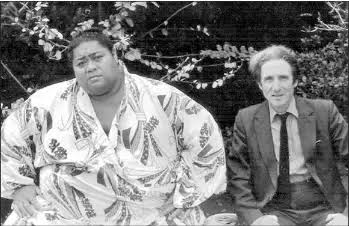
 

An alternative photograph of Dr. Oliver Impey. He is on the right.

This is the only photograph of him I could find on the internet.I hope he would find this amusing. 


Japanese Bush Clover.

Kawarazaki Shodo (1889 - 1973). Bush Clover.